Stroke Test

A stroke can take away your ability to move, speak, or live on your own — and it can even be fatal. Your best defense? Knowing how to lower your stroke risk — and how to spot a stroke fast so you can get treatment right away.
In Stroke, Harvard Medical School experts distill the latest research and recommendations into understandable advice that can help you lower your stroke risk or cope with a stroke.
Harvard Medical School’s Stroke report reveals:
- The risk factors that increase your chances of having a stroke
- How stroke symptoms can differ from person to person
- Why stroke symptoms like difficulty speaking or one-sided body weakness can be a red flag for a full-blown stroke — even if they last only 5 minutes
- The type of therapist you may not know about who can help you regain speech after a stroke
- And so much more!
Don’t ignore stroke symptoms — even if they disappear!
If you have a transient ischemic attack, also called a TIA or mini-stroke, you may experience stroke symptoms that disappear. But don’t be fooled: TIAs are caused by the same problems that drive ischemic strokes — and if left untreated, they often lead to a full-blown one. As many as 20% of people who have a TIA will suffer a full-blown ischemic stroke within 90 days. The greatest risk is actually in the first 48 hours, which is why it’s so important to seek medical help promptly. Just because symptoms disappear does not mean the danger is over. In fact, a TIA should be considered a warning sign of an impending stroke and treated just as seriously.
For more information on Stroke, order your copy of the report today!
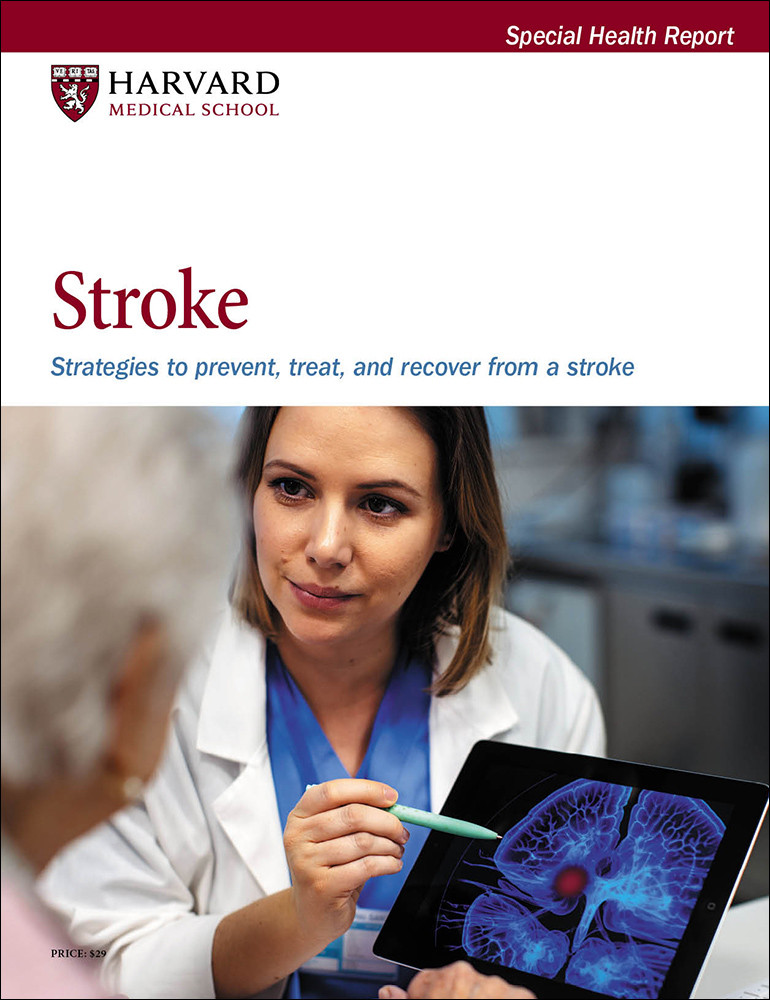
Your Special Health Report includes:
- Unique stroke risks that women face
- Top 5 ways to help prevent a stroke
- The three phases of stroke treatment
- How to choose the right rehab facility for you or a loved one
- How to ease post-stroke pain
- Plus: A Special Bonus Section that shows you the most powerful ways to help prevent a stroke!