

Hip bursitis vs. arthritis: How to tell the difference

Fitness for longevity: Which type matters most?

Ministrokes linked to elevated risk of dementia

Continuous glucose monitors benefit people who don't need insulin

CoQ10: Should you take this popular supplement if you're on a statin?

Microplastics: A hidden health threat?

Oat vs. dairy milk: Nutrition, benefits, and downsides

What is tempeh? Benefits, nutrition, and how to use it

Healing after food poisoning

Whole grains may improve several heart risk factors at once
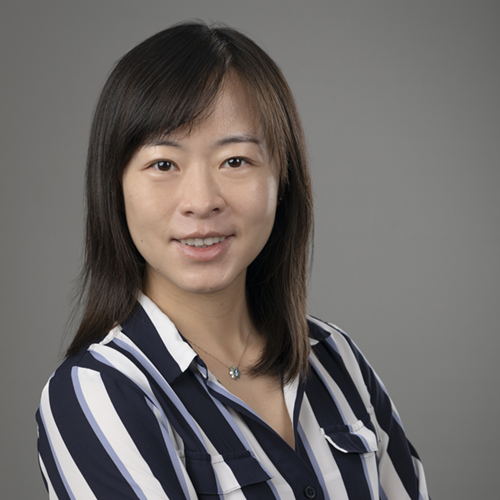
Jingyi Qian, Ph.D.
Contributor
Jingyi Qian is an assistant professor of medicine at Harvard Medical School and associate director of the Medical Chronobiology Program in the Division of Sleep and Circadian Disorders at Brigham and Women’s Hospital (BWH). Her research focuses on the physiological mechanisms by which timing of behavior (such as food intake and physical activity) interact with the circadian system and synergistically affect cardiometabolic outcomes.
Qian earned her PhD in molecular, cellular, and integrative physiology from the University of California, Los Angeles, and was a postdoctoral research fellow at the BWH Medical Chronobiology Program.
Hip bursitis vs. arthritis: How to tell the difference
Fitness for longevity: Which type matters most?
Ministrokes linked to elevated risk of dementia
Continuous glucose monitors benefit people who don't need insulin
CoQ10: Should you take this popular supplement if you're on a statin?
Microplastics: A hidden health threat?
Oat vs. dairy milk: Nutrition, benefits, and downsides
What is tempeh? Benefits, nutrition, and how to use it
Healing after food poisoning
Whole grains may improve several heart risk factors at once

