
Is it aging, or something more?

Consensus grows for widening use of menopausal hormone therapy

Early medically induced menopause may increase cardiovascular risks

Do you need a DEXA scan earlier than you thought?
Best walking shoes: Which ones are right for older adults?

Acetaminophen vs. ibuprofen: Which should you take?
Hip bursitis vs. arthritis: How to tell the difference

Fitness for longevity: Which type matters most?

Ministrokes linked to elevated risk of dementia

Continuous glucose monitors benefit people who don't need insulin

Robert H. Shmerling, MD
Senior Faculty Editor, Harvard Health Publishing; Editorial Advisory Board Member, Harvard Health Publishing
Dr. Robert H. Shmerling is the former clinical chief of the division of rheumatology at Beth Israel Deaconess Medical Center (BIDMC), and is a current member of the corresponding faculty in medicine at Harvard Medical School. As a practicing rheumatologist for over 30 years, Dr. Shmerling engaged in a mix of patient care, teaching, and research. His research interests center on diagnostic studies in patients with musculoskeletal symptoms, and rheumatic and autoimmune diseases. He has published research regarding infectious arthritis, medical ethics, and diagnostic test performance in rheumatic disease. Having retired from patient care in 2019, Dr. Shmerling now works as a senior faculty editor for Harvard Health Publishing.
Twitter: @RobShmerling
Posts by Robert H. Shmerling, MD
Bones and joints
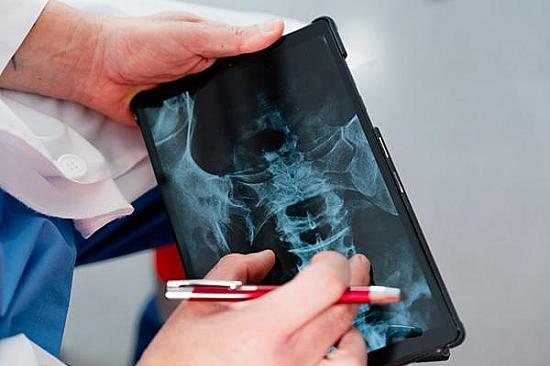
What causes a vertebra to slip backward?
Bones and joints
What treatments can help cervical spinal stenosis?
Is it aging, or something more?
Consensus grows for widening use of menopausal hormone therapy
Early medically induced menopause may increase cardiovascular risks
Do you need a DEXA scan earlier than you thought?
Best walking shoes: Which ones are right for older adults?
Acetaminophen vs. ibuprofen: Which should you take?
Hip bursitis vs. arthritis: How to tell the difference
Fitness for longevity: Which type matters most?
Ministrokes linked to elevated risk of dementia
Continuous glucose monitors benefit people who don't need insulin