










Carbs without the confusion: From food labels to healthier choices
- Reviewed by Mallika Marshall, MD, Contributing Editor
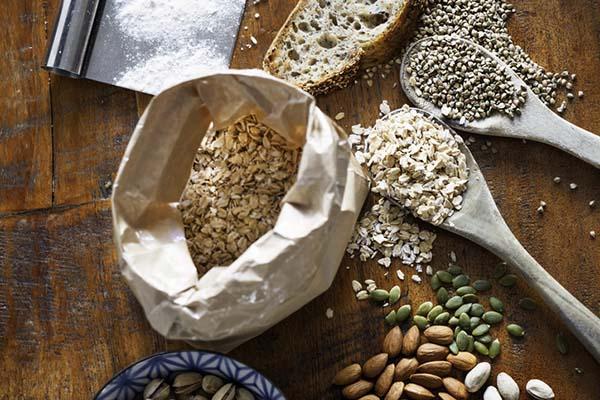
You may have heard nutrition experts refer to carbohydrates as simple or complex, low-quality or high-quality, refined or unrefined, processed or unprocessed.
Food producers and packagers respond to diet trends with changes in ingredients and labels. For example, for years Americans were told that fat is bad, and as a result manufacturers produced cholesterol-free and fat-free foods with enticing promotions on the packages. Total calories took a back seat to the number of calories from cholesterol and fat in a particular product. Food manufacturers then switched to carbohydrates as the enemy; as expected, consumers assumed the fewer carbs in general, the better.
But as it turns out, it’s not the quantity of carbohydrates consumed that matters as much as the type. Some carbs (simple, low-quality, refined, processed) cause a spike in blood sugar, which over time can increase the risk of obesity, diabetes, and heart disease. Other carbs (complex, high-quality, unrefined, unprocessed) are slowly digested and therefore do not result in a rapid rise in blood sugar.
Interpreting food labels and carbohydrate content
Depending on the food, carbohydrate labeling can be broken down into dietary fiber, sugars, sugar alcohols, and other carbohydrates.
The largest group of these partially digested carbohydrates is sugar alcohols, which are sweet-tasting but are not absorbed as completely as sugar and have fewer calories. Sugar alcohols include maltitol, isomalt, erythritol, mannitol, sorbitol, xylitol, lactitol, and a more encompassing term called hydrogenated starch hydrolysates. Sugar alcohols can be voluntarily listed collectively as sugar alcohols or listed individually on the Nutrition Facts label. In addition, the U.S. FDA standards require that sugar alcohols be listed by name in the ingredients.
Glycerin is another ingredient that has a minimal effect on blood sugar levels. It is used to add moisture and improve texture to a product.
Fiber refers to the portion of plant material that humans cannot digest. There are two kinds of dietary fiber: soluble and insoluble. Both are important for proper bowel function, and help prevent weight gain, regulate blood sugar, and may decrease colon cancer risk. Over age 50, men should eat 30 grams daily and women 21 grams. Under 50, men should aim for 38 grams daily and women 25 grams.
To most accurately reflect the effect of a food on blood sugar, look at the total grams of carbohydrates listed and where they come from. If there are more than 5 grams of fiber per serving, this number can be subtracted from the total grams of carbohydrate. Remember to check the serving size listed on the Nutrition Facts label of the product, which may be less than what you plan to eat in one sitting.
For example, if the total carbohydrates in a serving is listed as 25, and the product also contains 6 grams of dietary fiber per serving, you may subtract the fiber grams from carbohydrate to get the total number of carbohydrates affecting blood sugar (19 grams).
Choosing whole-food carbohydrates
The bottom line is that not all carbohydrates are "bad." Low-carb packaged foods with eye-catching labels and enticing slogans might seem healthy but may have little nutritional value. Look for healthier, whole foods instead. For example:
- Choose whole grains that supply healthy servings of vitamins and minerals and have a smaller impact on blood sugar than their refined relatives. These include bulgur, barley, quinoa, brown and wild rice, oats, whole-grain breads, and some cereals.
- Eat a variety of vegetables but limit starchy vegetables such as potatoes and corn.
- Enjoy beans and legumes, which are good sources of plant protein, fiber, vitamins, and minerals.
- Don't forget the convenience and pleasure of several pieces of fruit throughout the day.
Image: © Monica Bertolazzi/Getty Images
About the Reviewer

Mallika Marshall, MD, Contributing Editor
Disclaimer:
As a service to our readers, Harvard Health Publishing provides access to our library of archived content. Please note the date of last review or update on all articles.
No content on this site, regardless of date, should ever be used as a substitute for direct medical advice from your doctor or other qualified clinician.



