










Food and water safety during a storm or power outage
- Reviewed by Robert H. Shmerling, MD, Senior Faculty Editor, Harvard Health Publishing; Editorial Advisory Board Member, Harvard Health Publishing
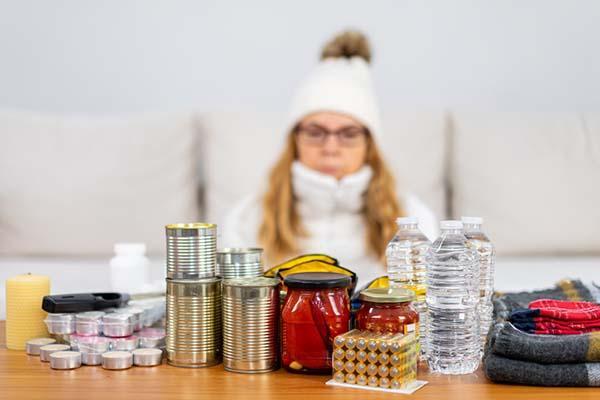
Storms and power outages can be unsettling, and even more so if access to safe water and food is compromised. Planning ahead to ensure you have on hand essential food and water–related supplies is a good first step. Stocking up on nutritious, shelf-stable foods and knowing how to store, prepare, and handle food and water safely can help keep you and your family hydrated, nourished, and reduce the risk of foodborne illness.
Supplies for managing food and water during an outage
Consider your local weather risks and how often you experience power outages when deciding what supplies you’ll need. Some of these may seem inconvenient to store or may not be necessary for every household. Use this checklist as a guide to supplies specific to safely storing, preparing, and serving food and water in case of a storm or power outage:
- Refrigerator and freezer thermometers. Place in the warmest areas of these appliances.
- Block ice or dry ice. This type of ice keeps food colder for longer.
- An electric cooler or compact refrigerator. If you have a generator these items may use less energy than a full-size refrigerator.
- A safe outdoor cooking source such as a camp stove or grill. (The American Red Cross specifically advises keeping camp stoves and charcoal grills outdoors, in well-ventilated areas, and at least 20 feet away from windows)
- A supply of disinfecting wipes, disposable napkins, plates, cups, and utensils
- A manual can opener.
(This is not a comprehensive list of all emergency supplies your household may need. For a broader list, see the American Red Cross Survival Kit Supplies).
Because access to safe drinking water is the most urgent concern, begin by planning how much water your family will need. Then, choose shelf-stable foods that can be stored safely and prepared with little or no electricity.
Prepare an emergency water supply
Prioritize water in an emergency. Access to safe water is essential for drinking, cooking, cleaning, and personal hygiene. Keep in mind that the body can dehydrate quickly, especially in hot weather. Older adults and people with certain medical conditions may be at greater risk.
Keep on hand or when a storm or outage is expected:
- At least one gallon (about 4 liters) per person per day for three to seven days. Stock more in hot climates, for pregnant women, the elderly, and for anyone who is sick.
- Safe water sources include commercially bottled water or water stored in food-grade storage containers (such as those from a camping supply store).
- If flooding is a concern, keep water on an elevated surface if possible.
You'll find more informationabout creating and maintaining a safe emergency water supply on the Centers for Disease Control and Prevention's Emergency Preparedness website.
Stock up on shelf-stable foods
It pays to keep your pantry well supplied if an emergency arises and you can’t leave home or you have limited to no electricity. Purchasing healthy, easy-to-prepare, shelf-stable foods that don’t need refrigeration can be as simple as adding a few more items to your regular shopping trip or replenishing your pantry if a storm or power outage is expected.
Many canned foods, nuts, and other foods come in "no added salt" or "low sodium" versions for those on specific diets. Store brands often have their own low-sodium products which often cost less than name brands. The following are examples of nutritious options organized by food group:
Protein-rich foods
- tuna, salmon, sardines, and chicken in cans or single-serving pouches
- whole, sliced, or crushed tree nuts such as walnuts, pecans, almonds, and cashews
- peanuts
- sunflower or pumpkin seeds and soy nuts; these are especially handy for those allergic to tree nuts and peanuts
- peanut butter and other nut butters in shelf-stable, single-serve containers
- protein bars for snacks; look for no more than 2 grams of saturated fat and less than 200 milligrams of sodium per bar.
Fruits and vegetables
- single servings that can be stored on your countertop such as bananas, apples, mangos, tomatoes, and jicama
- natural applesauce
- canned fruit in its own juice (a lower-carbohydrate alternative to canned fruit in syrup)
- dried, unsweetened fruit; if you have diabetes, use these in small amounts with a source of protein
- frozen fruits and vegetables can be stored in a cooler, which will help keep the cooler's temperature lower for longer
- canned foods such as beans, potatoes or corn.
Dairy and dairy substitutes
- sterilized milk (like Parmalat, a well-known brand) in family-size or single-serve containers
- powdered milk, a low-cost option that you can mix up in large or small quantities
- soy milk in family-size brick packs or single-serve containers.
Whole grains and other healthy carbohydrates
- whole-grain crackers, bread, tortillas, wraps, and granola bars (make sure the first ingredient listed on the package is a whole grain)
- legumes, garbanzos, peas, and lentils
- pre-prepared popcorn.
Other useful foods
- infant formula or jarred or boxed food specific to young children
- dried spices and seasonings
- canned soup (low sodium or with no added salt as necessary)
- pudding cups
- instant coffee or tea
- healthy oils to add balance and flavor to meals.
Keeping water and food safe in a power outage
Power outages can affect food safety. Keep this guidance in mind to help protect food and prevent foodborne illness, both during an outage and when power is restored.
Before and during the power outage
The best way to preserve food when the power is out is to keep the freezer and refrigerator doors closed. A full freezer will keep food safe for two days if you don't open the door while the power is out. Steps to take:
Fill the freezer with containers of water or perishable food and beverages from the refrigerator. Do not plan to use this food or water for the first two days.
If you cannot fill your freezer, group all the items in it together in the middle to help them retain their temperature as long as possible.
A refrigerator with a closed door will typically keep food at the safe temperature (40° F or less) for only four hours without block or dry ice. Harmful bacteria thrive when food hits 41° to 140°. Food is unsafe to eat once it's been in this "danger zone" for two hours.
After a power outage
When the power returns, you'll have to decide which food is safe to eat. Remember the expression, "When in doubt, throw it out." The risk and expense of foodborne illness, also known as food poisoning, will be more costly than buying more food. Food poisoning is no fun, and can be fatal for someone with a weakened immune system.
Keep the refrigerator and freezer thermometers in place so you can check the temperature. The look and smell of food may not change, so use time and temperature as your guide for food safety. See the USDA's Food Safety and Inspection Service charts on Refrigerated Foods and Frozen Foods: When to save and when to throw it out.
Image: © Sevda Ercan/Getty Images
About the Reviewer

Robert H. Shmerling, MD, Senior Faculty Editor, Harvard Health Publishing; Editorial Advisory Board Member, Harvard Health Publishing
Disclaimer:
As a service to our readers, Harvard Health Publishing provides access to our library of archived content. Please note the date of last review or update on all articles.
No content on this site, regardless of date, should ever be used as a substitute for direct medical advice from your doctor or other qualified clinician.



