Iron: Small nutrient, big benefits
- Reviewed by Mallika Marshall, MD, Contributing Editor
Vitamins and minerals from A to zinc are vital for a healthy body. Thanks to public health initiatives such as fortification of breads and cereals, deficiencies are not as common as they once were. But they still exist. Getting the right amounts of nutrients can still be a challenge.
This article will take a closer look specifically at what iron does for you and how to make sure you are getting enough.
Why do I need iron?
About two-thirds (65%) of the iron in our bodies is found in hemoglobin. Hemoglobin is a protein in red blood cells that holds onto oxygen molecules and delivers them to all organs and tissues. Even though you breathe in oxygen all the time, you need iron to help make sure it circulates throughout the body.
Iron deficiency is the most common nutrient deficiency. It can lead to anemia, a condition in which the blood doesn't have enough hemoglobin or healthy red blood cells. This means that oxygen does not reach your tissues as well as it should. There are many different causes of anemia, such as chronic disease, genetics, and deficiency of folic acid or vitamin B12. However, iron deficiency is the most common cause.
Signs and symptoms of iron deficiency
Not all iron deficiency leads to anemia. Around 20% of the iron in our bodies is not in use but stored for backup. Iron deficiency starts by depleting our stores of iron, and symptoms get worse over time. Anemia occurs when the deficiency becomes severe enough to affect the production of hemoglobin. Symptoms of iron-deficiency anemia include:
- fatigue
- pale complexion
- weakness
- headache
- brittle, thin, concave nails
- difficulty concentrating, cognitive issues, or slower thinking
- decreased immune function
- inflamed tongue.
How much iron do I need?
The amount of iron you need depends on your age, gender, life stage, and health status. Some people need more iron than others, or may have difficulty absorbing enough from food.
Pregnant women need the most iron to support the growth of a baby. While inside the womb, babies store enough iron for the first six months after birth.
Children and adolescents need enough iron to support their rapidly growing bodies.
Menstruating women have increased iron needs because of regular blood loss, which results in iron loss. After menopause, women have the same iron needs as men.
Endurance athletes may also experience an increased need for iron due to the level of intense exercise, but this should be discussed with a physician.
People with certain diseases may also need to increase their iron intake. Many diseases can affect the gastrointestinal tract and cause poor iron absorption.
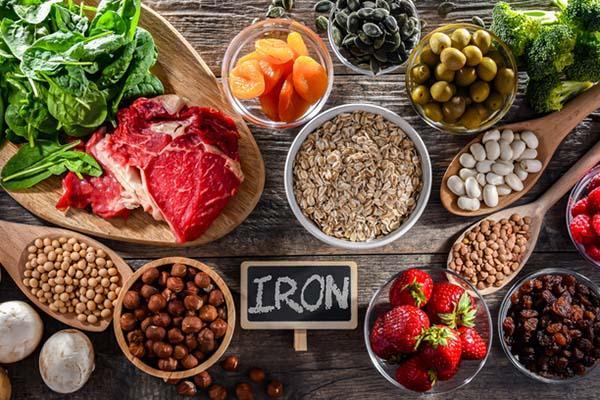
Animal and plant sources of iron
There are two food sources of iron:
- Meats or "heme"
- Plants or "non-heme"
Meats, poultry, and seafood contain iron in a form that is most easily absorbed by your body. Your body can absorb non-heme iron, but not as efficiently as heme iron.
The trick to absorbing as much iron as possible from non-heme sources is to eat them with a source of vitamin C. That does not mean taking a vitamin C supplement with your meals. It means, for example, squeezing lemon juice on your broccoli. The acid from the lemon juice helps to free up the iron so the body can absorb it.
When is a supplement necessary?
Most people don't need an iron supplement unless they have an iron deficiency, anemia, or other disease that impairs the function of the intestines.
Vegetarians and vegans who do not eat any meat, as well as menstruating and pregnant women who think they may not be getting enough iron from their diet, might consider a multivitamin that includes iron.
In most cases, it is best to speak with your health care provider before taking iron supplements. Excessive iron, either by overdosing on iron supplements or having a genetic condition called hereditary hemochromatosis in which too much iron is absorbed from food, can be toxic. Iron overload can cause harm to cells and lead to organ damage, including the brain and liver.
The bottom line
Be conscious of what you eat and appreciate the importance of the nutrients in your food. You don't have to eat like a lion to get enough iron. Just follow a healthy, balanced diet and chances are you'll get enough.
If you fall into one of the high-risk groups or think you may not be getting enough iron in your diet, talk to your health care provider. Blood tests can determine if your iron levels are low. A registered dietitian can also teach you more about incorporating iron into your diet.
Image: © monticelllo/Getty Images
About the Reviewer

Mallika Marshall, MD, Contributing Editor
Disclaimer:
As a service to our readers, Harvard Health Publishing provides access to our library of archived content. Please note the date of last review or update on all articles.
No content on this site, regardless of date, should ever be used as a substitute for direct medical advice from your doctor or other qualified clinician.