










Foam rollers: Inexpensive tools with premium payoffs
Working foam rolling into your routine might help you feel better and lead to other health benefits.
- Reviewed by Lauren Elson, MD, Contributor; Editorial Advisory Board Member, Harvard Health Publishing
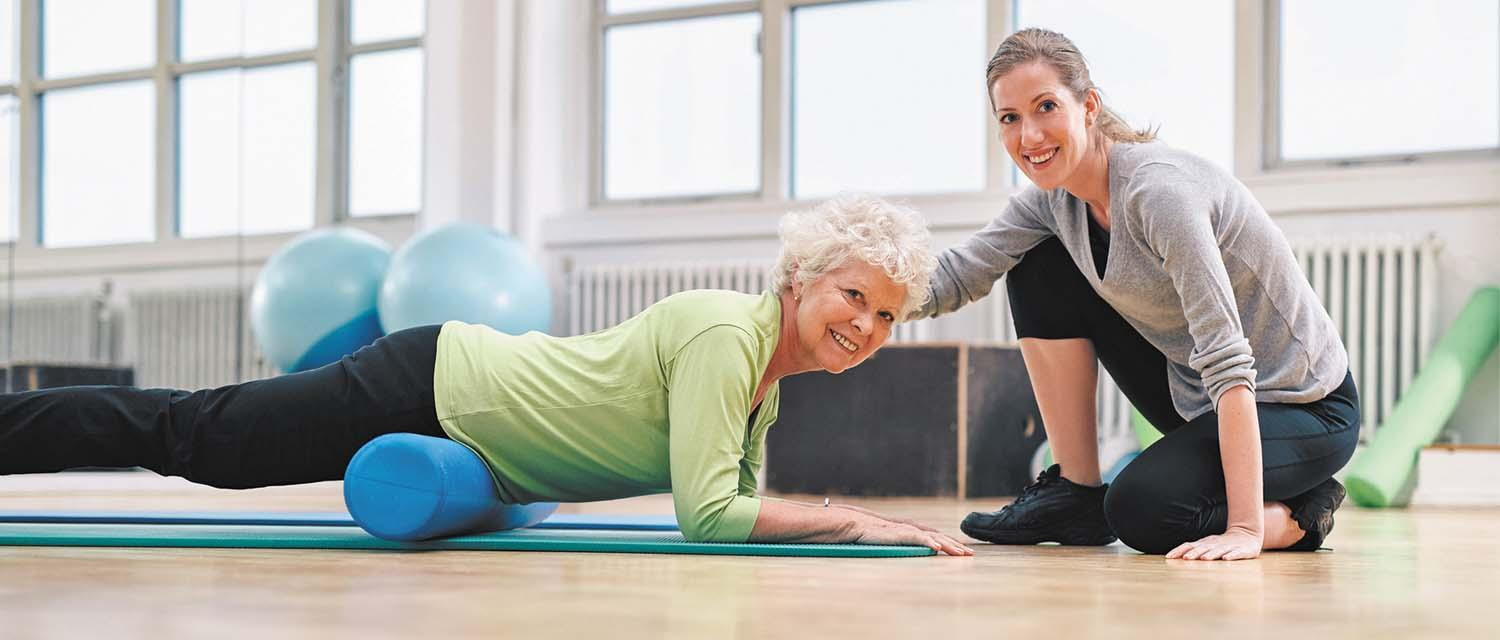
You've probably noticed people at the gym rolling their calves, glutes, and other body parts on small cylinders. These popular tools are called foam rollers. They can help you stay flexible and limber and reduce muscle tension and soreness.
What is a foam roller?
A foam roller is a cylinder made of foam. It's often about six inches in diameter and a foot or two long. Foam rollers are available in varying degrees of firmness. Used properly, a foam roller can help you reduce tension in muscles and other soft tissue so you can move with ease and less pain.
"Most foam rollers have a smooth surface, and you press different areas of your body against them, almost like you're ironing or smoothing out those tissues," says Dr. Marwa Ahmed, a sports medicine specialist at Harvard-affiliated Massachusetts General Hospital.
Foam roller benefits
When you press your muscles and fascia (fibrous connective tissue) against a foam roller, you loosen those tissues, release tension, and ease pain. Think of it like giving yourself a massage - without the trip to the spa.
Foam rolling also helps increase flexibility, especially when used as a warm-up before exercise.
In addition, foam rollers improve circulation to targeted areas. Some evidence suggests foam rolling may also
- help joints move more easily through
- their full range of motion
- support moving excess fluid out of tissues and into the lymphatic system
- enhance the ability to move while conserving as much energy as possible (an important benefit for anyone concerned with sports performance).
How to use a foam roller
Using a foam roller is simple: slowly roll the body part you're targeting back and forth along the foam roller. For example, you might lie down with your thighs, glutes, or calves on the roller, and then roll back and forth. Or you might try standing up with your back on the roller against a wall - this exercise is especially helpful if you have trouble getting up and down from the floor, Dr. Ahmed notes.
Like any fitness practice, you're more likely to see the desired results if you stay consistent. For each muscle group you want to roll, start with about 30 to 60 seconds and repeat three to five times at least twice a week. To really see the benefits of foam rolling, try foam rolling every day.
Choosing a foam roller
Some foam rollers have bumps that provide deeper pressure, but if you're new to the practice, start with a relatively soft, smooth roller.
"The softer it is, the less painful it's going to be," Dr. Ahmed says. "Then, as you roll out these tissues, it's going to become harder to get much benefit from a softer foam roller, and so you can 'graduate' to a harder foam."
You can also use items you may already have on hand, like a tennis ball, to roll out smaller areas of tight muscle or tissue - such as a specific tender spot in your shoulder.
Foam rolling considerations
Foam rolling isn't right for everyone. You should avoid it if you have open wounds, fractures, flare-ups of rheumatoid arthritis, deep-vein thrombosis, advanced osteoporosis, or neuropathy that causes pain.
Even if you're generally healthy, it's a good idea to work with a personal trainer or physical therapist to learn how to use these tools. The biggest concern is rolling over bone, Dr. Ahmed says, especially bony areas like your knees, pelvis, or shoulder blades. You can't "iron out" bones like you can tissue, and it will likely just hurt (and could lead to injury or worsen existing symptoms).
Don't let that scare you away from foam rolling. Just keep the roller on soft, fleshy tissue for a safe way to give this tension-reducing practice a try.
Image: © jacoblund/Getty Images
About the Reviewer

Lauren Elson, MD, Contributor; Editorial Advisory Board Member, Harvard Health Publishing
Disclaimer:
As a service to our readers, Harvard Health Publishing provides access to our library of archived content. Please note the date of last review or update on all articles.
No content on this site, regardless of date, should ever be used as a substitute for direct medical advice from your doctor or other qualified clinician.



