










Is it aging, or something more?
A thoughtful approach can help distinguish normal aging from genuine diseases — and also avoid unnecessary care.
- Reviewed by Suzanne Salamon, MD, Editorial Advisory Board Member, Harvard Health Publishing
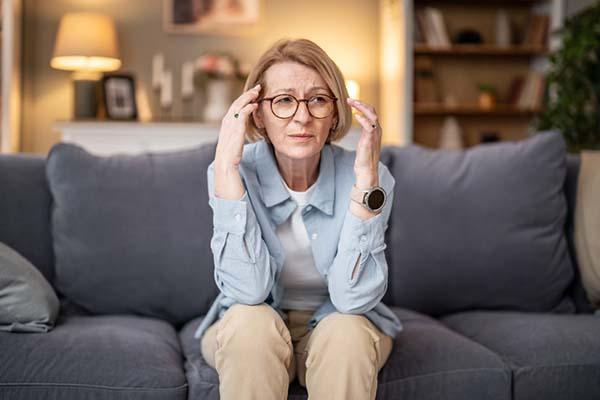
You feel like you’re slowing down. Your joints ache, you’re a bit forgetful, and you don’t hear or see as well as you used to. All of these issues are commonly chalked up to aging — though modern medicine can now diagnose and treat an extraordinary number of changes that once were simply accepted as part of getting older.
That’s largely good news: Americans are living longer — an average of 79 years — while remaining healthier. But the phenomenon raises an intriguing question: do we sometimes treat aging itself like a disease?
Often, older adults don’t worry about what they perceive as age-related changes — even if they should, says Dr. Suzanne Salamon, clinical chief of gerontology at Harvard-affiliated Beth Israel Deaconess Medical Center.
“Many people consider older age as a good time of their lives, because they have fewer worries about raising kids or making a living. They also have a whole lifetime of experiences they can fall back on, so they don’t get as worried or upset when a new change comes along,” she says.
What are common signs of aging?
Expected signs of aging include shifts in the following:
Vision. The eyes develop cataracts, cloudy areas in the eye’s lenses, which means that older adults need more light to be able to see and read. Also considered normal is impaired close-up vision.
Hearing. This sense gradually becomes less acute over time. People can sound like they’re mumbling and you might not hear the doorbell or phone, especially over background noise.
Joints. “Osteoarthritis is something that almost everyone will get if they live long enough,” Dr. Salamon says. “It just comes from wear and tear and aging. There’s not a whole lot you can do to prevent it, so it’s considered normal.”
Strength and mobility. Some decline in muscle mass and strength is common with aging. But significant or accelerating weakness, falls, or difficulty with everyday movement can indicate a problem.
Energy. Many older adults don’t have the stamina they once did, but a constant feeling of exhaustion isn’t normal.
Memory.Occasionally forgetting a name or where you put your keys can happen at any age, but may become more common as we rack up birthdays.
Immune system. Our ability to fend off invaders such as viruses weakens as we age, “so we’re more prone to diseases such as shingles,” Dr. Salamon says.
What conditions can look like aging?
Even as typical age-related changes emerge, the notion of “normal aging” shouldn’t become an excuse for dismissing symptoms, Dr. Salamon says. Indeed, there’s a tricky middle ground where aging symptoms and disease overlap.
Changes that should never be simply written off as getting older include
- sudden or significant vision changes
- difficulty following conversations
- rapid or marked weakness or fatigue
- persistent pain, unsteadiness, or falls
- unexplained weight loss
- new constipation or urinary symptoms
- increasing difficulty managing routine tasks.
Forgetting someone’s name is one thing, but forgetting how to cook, drive, or balance your checkbook is quite another — and could be a sign of cognitive impairment. “Often, it’s family members who will notice people repeating themselves, forgetting appointments or to pay their bills, and the person themselves will pooh-pooh it,” Dr. Salamon says.
When should I see a doctor?
Dr. Salamon advocates a cautious approach, urging older adults to get seemingly age-related changes evaluated before passing them off as merely aging.
“It’s only after things have been worked up that we can say, 'Don’t worry about it,’” she says, recommending that people write down changes as they occur so there’s a record to share with their doctor.
Similarly, Dr. Salamon advises older adults to continue routine screenings and testing despite the possibility that they may lead to additional evaluation. “Many times, testing picks up conditions that, if not detected early, can be serious or deadly,” she says.
While there’s no simple way to judge whether an age-related change is worth bringing to a doctor’s attention, be especially mindful if a symptom is
- new
- getting worse
- painful
- interfering with everyday activities.
If, for instance, you can no longer walk as far, climb stairs, get up from a chair, hear conversations, or do something else you once did easily, it’s time to speak up. “If something is a change from your normal and doesn’t get better within a few days or weeks, you should definitely tell your doctor,” Dr. Salamon says.
Beware of overtreatmentIn certain situations, treating an age-related health problem may do more harm than good — a phenomenon known as overtreatment, says Dr. Suzanne Salamon, clinical chief of gerontology at Beth Israel Deaconess Medical Center. Just because a treatment exists doesn’t necessarily make it worthwhile, Dr. Salamon says. A major example is surgery, which often presents steeper risks to older adults, with higher risks of bleeding and other complications. “Most surgeries turn out fine, but general anesthesia is nothing to dismiss, and many times people who have some underlying cognitive impairment and go under anesthesia don’t come out as they were before,” she says. “Any surgery should be strongly evaluated before you have it.” Similarly, older adults are more vulnerable to medication side effects, so it’s wise to question whether you need to start or continue a therapy. Review your medication list at each doctor’s visit, she says. “While some can be miracle drugs, some — especially if you are on too many of them — can cause medication interactions,” Dr. Salamon says. “It’s really important to pay attention to how you react to each medication.” |
Image: © Vladimir Vladimirov/Getty Images
About the Author

Maureen Salamon, Executive Editor, Harvard Women's Health Watch
About the Reviewer

Suzanne Salamon, MD, Editorial Advisory Board Member, Harvard Health Publishing
Disclaimer:
As a service to our readers, Harvard Health Publishing provides access to our library of archived content. Please note the date of last review or update on all articles.
No content on this site, regardless of date, should ever be used as a substitute for direct medical advice from your doctor or other qualified clinician.



