








Consensus grows for widening use of menopausal hormone therapy
News briefs
- Reviewed by Robert H. Shmerling, MD, Senior Faculty Editor, Harvard Health Publishing; Editorial Advisory Board Member, Harvard Health Publishing
Two major medical organizations released updated guidance on managing menopausal hot flashes and night sweats, which affect an estimated 80% of women during the menopause transition. For the first time, the American College of Physicians (ACP) has endorsed hormone therapy as a first-line treatment for these so-called vasomotor symptoms, while the American College of Obstetricians and Gynecologists (ACOG) has broadened its existing recommendations for managing them.
The ACP guideline, published online Oct. 6, 2026, by Annals of Internal Medicine, recommends estrogen alone for women who have had a hysterectomy and estrogen combined with progesterone for women with a uterus. For those who cannot take or tolerate estrogen, the ACP recommends certain antidepressants as second-line options, followed by medications such as gabapentin and newer nonhormonal drugs.
In addition to including more detailed information about various hormone therapy options for treating vasomotor-related sleep disturbances, ACOG’s recommendations (released in mid-October) include more information on how to time starting hormone therapy to maximize its benefits and minimize its risks.
More women have explored hormone therapy since the FDA removed “black box” warnings in November 2025 after experts decided the risks had been overstated. Hormone therapy isn't right for everyone, however. Experts generally advise starting treatment before age 60 or within 10 years of menopause, when the balance of benefits and risks is typically more favorable for healthy women. Starting later may increase risks, including heart attack, stroke, and dementia. Women considering treatment should discuss their medical history, individual risk factors, and preferences with their doctors.
With its new guidance, the ACP joins several other major medical groups endorsing hormone therapy as the most effective treatment for moderate to severe menopausal hot flashes and night sweats. In addition to ACOG, these include the Endocrine Society, the American Association of Clinical Endocrinologists, and the American Society for Reproductive Medicine.
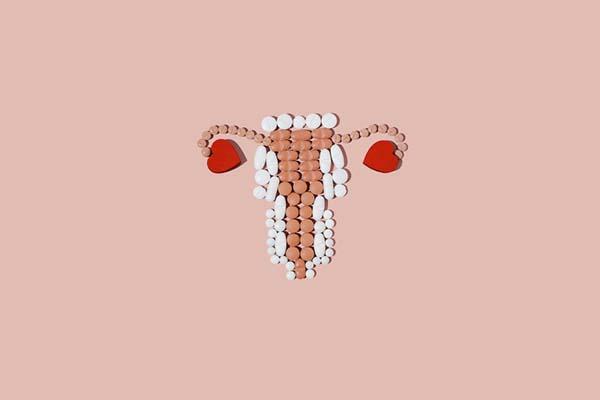
Image: © Yulia Reznikov/Getty Images
About the Author

Maureen Salamon, Executive Editor, Harvard Women's Health Watch
About the Reviewer

Robert H. Shmerling, MD, Senior Faculty Editor, Harvard Health Publishing; Editorial Advisory Board Member, Harvard Health Publishing
Disclaimer:
As a service to our readers, Harvard Health Publishing provides access to our library of archived content. Please note the date of last review or update on all articles.
No content on this site, regardless of date, should ever be used as a substitute for direct medical advice from your doctor or other qualified clinician.