

Hip bursitis vs. arthritis: How to tell the difference

Fitness for longevity: Which type matters most?

Ministrokes linked to elevated risk of dementia

Continuous glucose monitors benefit people who don't need insulin

CoQ10: Should you take this popular supplement if you're on a statin?

Microplastics: A hidden health threat?

Oat vs. dairy milk: Nutrition, benefits, and downsides

What is tempeh? Benefits, nutrition, and how to use it

Healing after food poisoning

Whole grains may improve several heart risk factors at once
Addiction Archive
Articles

Are you healthy enough to age in place?
There are many health-related requirements for living independently in older age. For example, one needs sharp thinking skills in order to manage medications, pay bills, choose clothes for the day, and select and buy groceries; and one needs strength, balance, and flexibility in order to get up from a chair, cook, or clean. People with weakening aspects of health should talk to a doctor for potential solutions to improve or cope with health challenges in order to continue living independently.


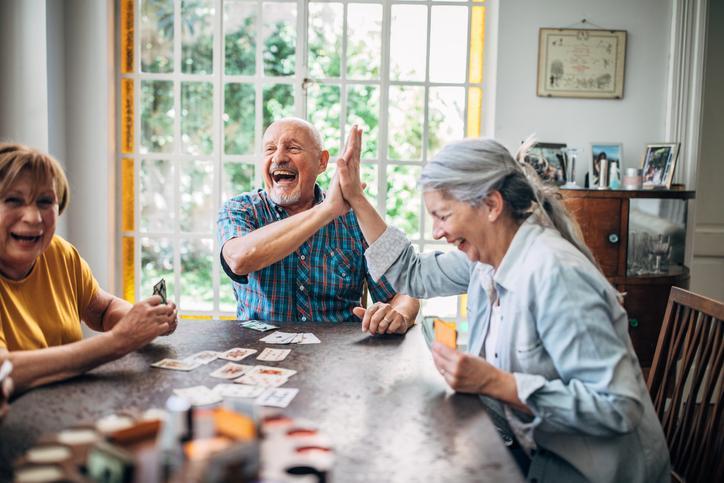
3 ways to create community and counter loneliness
Loneliness boosts risk for many health problems, and can even contribute to an early death. Many people find it hard to reach out to make new friends, but there are strategies that can help.

Spirituality may protect against substance misuse
A 2026 study suggests that people who engage in spiritual practices and communities are significantly less likely than non-practitioners to misuse alcohol, tobacco, marijuana, and illicit drugs and better able to recover from substance abuse.
GLP-1 drugs may lower odds of developing substance use disorders
A 2026 study suggests that people who take GLP-1 drugs—prescribed for diabetes and weight loss—are less likely to develop a substance use disorder. Among people who already have addiction, use of a GLP-1 was linked with fewer complications such as overdose and death.

Pouring from an empty cup? Three ways to refill emotionally
Burnout - whatever the cause - can lead to depression and anxiety, and affect your relationships and ability to function. But it's possible to replenish your energy and enjoyment of life.

Diagnosing and treating premenstrual dysphoric disorder
Women who experience severe premenstrual symptoms may have a condition called premenstrual dysphoric disorder. Antidepressants may relieve these symptoms and, depending on the person, can be taken intermittently instead of daily.
Break free from 3 self-sabotaging ANTs - automatic negative thoughts
Automatic negative thoughts are reactions that compel people to interpret many situations in unbalanced, upsetting ways. But with practice, people can learn to recognize and disarm distorted thinking.
Hip bursitis vs. arthritis: How to tell the difference
Fitness for longevity: Which type matters most?
Ministrokes linked to elevated risk of dementia
Continuous glucose monitors benefit people who don't need insulin
CoQ10: Should you take this popular supplement if you're on a statin?
Microplastics: A hidden health threat?
Oat vs. dairy milk: Nutrition, benefits, and downsides
What is tempeh? Benefits, nutrition, and how to use it
Healing after food poisoning
Whole grains may improve several heart risk factors at once
Free Healthbeat Signup
Get the latest in health news delivered to your inbox!
Sign Up
