

Hip bursitis vs. arthritis: How to tell the difference

Fitness for longevity: Which type matters most?

Ministrokes linked to elevated risk of dementia

Continuous glucose monitors benefit people who don't need insulin

CoQ10: Should you take this popular supplement if you're on a statin?

Microplastics: A hidden health threat?

Oat vs. dairy milk: Nutrition, benefits, and downsides

What is tempeh? Benefits, nutrition, and how to use it

Healing after food poisoning

Whole grains may improve several heart risk factors at once
Advance care planning Archive
Articles

Attention caregivers: Making use of helpful services
Being a caregiver for an ailing parent, spouse, child, or other loved one can feel like a lonely undertaking. It needn't, even if you don't have family nearby to pitch in. Help for caregivers is available from various organizations. Once you learn what's available, it may be easier to chart a less-demanding course toward meeting the needs of your spouse, relative, or friend.
Here are some types of services and professionals you might want to investigate.

Two ways to stay mentally sharp
Regular physical activity helps keep your heart, lungs, and muscles in shape and can stave off the effects of aging. In much the same way, exercising your brain can help keep your mind sharp and your memory intact. Here are two ways to activate your brain.
Keep busy and engaged
The MacArthur Foundation Study on Successful Aging, a long-term study of aging in America, found that education level was the strongest predictor of mental capacity as people aged. The more education, the more likely an individual was to maintain his or her memory and thinking skills. Other research has shown that people who held jobs that involved complex work, such as speaking to, instructing, or negotiating with others, had a lower risk of memory loss (dementia) than people whose jobs were less intellectually demanding.

Scientifically proven diets that work
Heart-healthy diets emphasize fruits and vege-tables as a major source of daily calories. Images: Thinkstock |
Substantial research proves the Mediterranean and DASH eating plans offer important health benefits for men.

Ask the doctor: Vitamin C for health?
Q. Whatever happened to the idea that taking vitamin C could boost your immune system and prevent colds? Is there still a possibility it could work?
A. Vitamin C, also known as ascorbic acid, was promoted as a health supplement for decades, achieving its greatest renown in the 1970s through the writings of scientist Linus Pauling. Despite the excitement about its natural antioxidant function, vitamin C does not appear to prevent colds, and its ability to shorten the duration of colds is minimal. A recent summary of 29 studies involving more than 10,000 people confirmed the lack of benefit of regular vitamin C supplementation.

Iron and your health
If you feel run-down, lack of iron is probably not the cause. You can easily get enough of this key mineral in your diet.
Decades ago, advertising for the liquid vitamin and mineral supplement Geritol warned against "iron-poor, tired blood." It's a reference to the fact that red blood cells need iron to make hemoglobin, the molecule that grabs oxygen and transports it around the body.

Yoga offers range of health benefits
In yoga, you assume a series of postures that build strength and flexibility. Images: Thinkstock |
This ancient practice may support heart health, general fitness, and mental well-being.
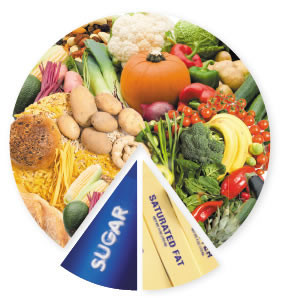
7 good suggestions from the proposed dietary guidelines
The plant-based diet caps sugar and saturated fats at 10% of calories each. |
The new recommendations for healthy eating emphasize diet over individual nutrients and overturn some long-held beliefs.

Add strength training to your fitness plan
Muscles at workDynamic resistance occurs when muscles and joints move, such as when you raise and lower a hand weight. Image: Thinkstock |
Boosting your muscle mass may trigger changes that enhance heart health.

Get cracking: Why you should eat more nuts
Nuts are rich in unsaturated fats, fiber, and other nutrients with possible cardiovascular benefits. Images: Thinkstock |
Munching a small handful every day may protect your heart.
To lower stroke risk, be sure to get this B vitamin
Green vegetables and citrus fruits are good natural sources of folate.
If you're among the one in three American adults with high blood pressure, be sure you're getting enough of the B vitamin known as folate. Doing so may lower your odds of having a stroke, a new study suggests.
Hip bursitis vs. arthritis: How to tell the difference
Fitness for longevity: Which type matters most?
Ministrokes linked to elevated risk of dementia
Continuous glucose monitors benefit people who don't need insulin
CoQ10: Should you take this popular supplement if you're on a statin?
Microplastics: A hidden health threat?
Oat vs. dairy milk: Nutrition, benefits, and downsides
What is tempeh? Benefits, nutrition, and how to use it
Healing after food poisoning
Whole grains may improve several heart risk factors at once
Free Healthbeat Signup
Get the latest in health news delivered to your inbox!
Sign Up
