

Hip bursitis vs. arthritis: How to tell the difference

Fitness for longevity: Which type matters most?

Ministrokes linked to elevated risk of dementia

Continuous glucose monitors benefit people who don't need insulin

CoQ10: Should you take this popular supplement if you're on a statin?

Microplastics: A hidden health threat?

Oat vs. dairy milk: Nutrition, benefits, and downsides

What is tempeh? Benefits, nutrition, and how to use it

Healing after food poisoning

Whole grains may improve several heart risk factors at once
Alzheimer's Disease Archive
Articles

Afib stroke prevention: Go set a Watchman?
Most people with atrial fibrillation take anti-clotting drugs to prevent strokes. For those who cannot take these drugs because of a high risk of bleeding, a tiny, basket-like device implanted in the part of the heart that traps clots may be an alternative.


What are the best ways to treat plantar warts?
Salicylic acid, a prescription-strength medicine, and cryotherapy with liquid nitrogen are common treatments for plantar warts. However, if these do not work, consult with a dermatologist or podiatrist about other options like other injected and topical drugs or laser therapy.

Another way to think about dementia
Vascular dementia is a less prevalent type of memory loss that nonetheless affects many older men.
Image: Mike Watson Images/Thinkstock
While Alzheimer's disease continues to be the most recognized type of dementia, older men should also be mindful about the second most common: vascular dementia.
In vascular dementia, memory problems result from damage to large and small blood vessels in the brain. It develops when cholesterol-clogged blood vessels can't deliver enough oxygen to the brain. Small blockages deprive some brain cells of oxygen, which causes a series of small strokes that kill brain cells. This can lead to episodes of confusion, slurred speech, and problems thinking or remembering.

Don’t tolerate food intolerance
Here's what to do when certain foods disagree with you.
Image: ChesiireCat/Thinkstock
You probably remember an occasion when you ate something that did not agree with you. But if your stomach issues have become severe and frequent, you might have a food intolerance.
"Food intolerances puzzle many older men, since foods they long enjoyed suddenly give them problems," says Evagelia Georgakilas, a registered dietitian and nutritionist with Harvard-affiliated Beth Israel Deaconess Medical Center. "They might tough it out and suffer in silence, but by identifying the problem foods, making adjustments in portion sizes, and switching out certain foods as needed, they can avoid painful and recurring digestive issues."

Boning up on osteoporosis
The disease strikes more women, but men are also at risk.
Osteoporosis is often considered a woman's disease, but men also need to be concerned about this bone-weakening condition. About 2 million men have osteoporosis and another 12 million are at high risk, according to the National Osteoporosis Foundation.
In fact, older men have a greater risk for an osteoporosis-related fracture than for getting prostate cancer, and about one in four men older than 50 will break a bone because of osteoporosis during his lifetime.

Loneliness may be a marker for Alzheimer’s disease
Older adults who report feeling lonely had a greater risk of testing positive for high amyloid levels in the brain, a marker of Alzheimer’s disease, according to research from the Harvard Aging Brain Study.
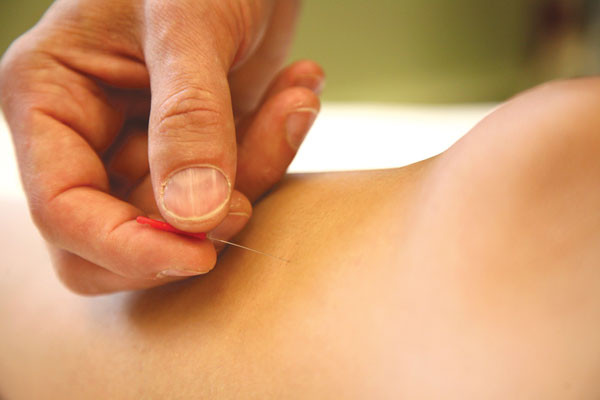
Modern acupuncture linked to constipation relief
It appears that electroacupuncture may be a treatment option for people with chronic severe functional constipation.
What is a lacunar stroke?
Lacunar strokes, which account for about one-fifth of all strokes, occur in small arteries deep within the brain. Although these strokes may not cause symptoms, those that do may cause weakness in the face, arm, or leg on one side of the body.
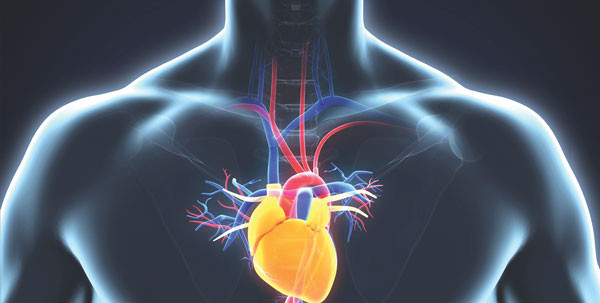
Bringing awareness to aneurysms in the chest
Most often, bulges in the aorta near the heart are found by accident. Should you be screened for this rare yet dangerous condition?
Image: Nerthuz /Thinkstock
The aorta, the body's largest blood vessel, arises from the heart's left pumping chamber, then curves up and over the heart in a gentle arc. In some people, a weak spot in the aorta's wall causes the vessel to bulge outward like a worn-out bicycle tire. Called a thoracic aneurysm, this stealthy condition develops slowly and silently, rarely causing symptoms. And while some thoracic aneurysms are relatively harmless, others cause catastrophic problems. An estimated one in 10,000 people has a thoracic aneurysm, although the exact prevalence is unknown.
"Most thoracic aneurysms are discovered on an imaging test done for some other reason," explains Dr. Eric Isselbacher, associate professor of medicine at Harvard Medical School and co-director of the Thoracic Aortic Center at Massachusetts General Hospital. For example, an aneurysm might be visible on an echocardiogram (heart ultrasound) done during testing for an irregular heartbeat. Because the condition is so uncommon, testing everyone for a thoracic aneurysm doesn't make sense. But certain people face a higher risk than others (see "Who needs to be checked?").
Hip bursitis vs. arthritis: How to tell the difference
Fitness for longevity: Which type matters most?
Ministrokes linked to elevated risk of dementia
Continuous glucose monitors benefit people who don't need insulin
CoQ10: Should you take this popular supplement if you're on a statin?
Microplastics: A hidden health threat?
Oat vs. dairy milk: Nutrition, benefits, and downsides
What is tempeh? Benefits, nutrition, and how to use it
Healing after food poisoning
Whole grains may improve several heart risk factors at once
Free Healthbeat Signup
Get the latest in health news delivered to your inbox!
Sign Up
