

Hip bursitis vs. arthritis: How to tell the difference

Fitness for longevity: Which type matters most?

Ministrokes linked to elevated risk of dementia

Continuous glucose monitors benefit people who don't need insulin

CoQ10: Should you take this popular supplement if you're on a statin?

Microplastics: A hidden health threat?

Oat vs. dairy milk: Nutrition, benefits, and downsides

What is tempeh? Benefits, nutrition, and how to use it

Healing after food poisoning

Whole grains may improve several heart risk factors at once
Alzheimer's Disease Archive
Articles

High blood pressure? Treat the risk, not the number

Chronic gut inflammation: Coping with inflammatory bowel disease

The benefits of volunteering, without leaving home

The book of neurogenesis

Nicotine addiction explained — and how medications can help
Addiction is now understood to be a neurological disorder that results from changes to the brain's reward center caused by addictive substances. Ideally, treatment for nicotine addiction combines medication to suppress cravings with counseling to help patients reprogram their behavior.

Is your vision impaired? Tips to cope
Living with low or impaired vision comes with many challenges. Accessibility features on computer hardware and software, special devices, and adaptations to your home can help make daily life easier when living with a vision impairment.

Misgendering: What it is and why it matters
For people who are transgender or nonbinary, being misgendered may be a daily occurrence. When this happens, people feel invalidated and unseen, and the burden can negatively affect their mental health. Making the effort to use the right names, pronouns, and honorifics when addressing a person shows respect and support for those around you and how they identify themselves.

Stories connect us
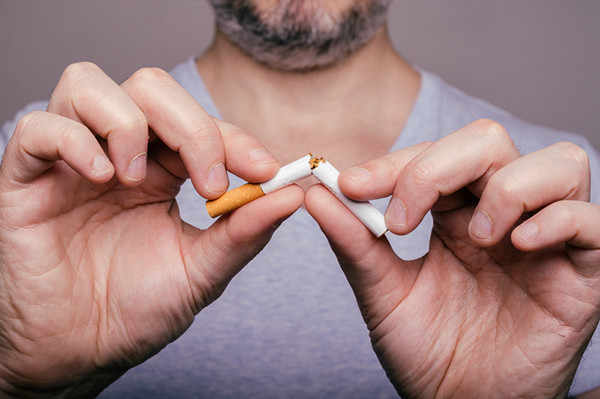
Why it's hard to change unhealthy behavior -- and why you should keep trying
Adopting healthier lifestyle habits doesn't happen at once, but is a process that happens in stages. Setbacks along the way are normal, but they provide opportunities for growth and learning.

Hope: Why it matters
Hip bursitis vs. arthritis: How to tell the difference
Fitness for longevity: Which type matters most?
Ministrokes linked to elevated risk of dementia
Continuous glucose monitors benefit people who don't need insulin
CoQ10: Should you take this popular supplement if you're on a statin?
Microplastics: A hidden health threat?
Oat vs. dairy milk: Nutrition, benefits, and downsides
What is tempeh? Benefits, nutrition, and how to use it
Healing after food poisoning
Whole grains may improve several heart risk factors at once
Free Healthbeat Signup
Get the latest in health news delivered to your inbox!
Sign Up
