

Hip bursitis vs. arthritis: How to tell the difference

Fitness for longevity: Which type matters most?

Ministrokes linked to elevated risk of dementia

Continuous glucose monitors benefit people who don't need insulin

CoQ10: Should you take this popular supplement if you're on a statin?

Microplastics: A hidden health threat?

Oat vs. dairy milk: Nutrition, benefits, and downsides

What is tempeh? Benefits, nutrition, and how to use it

Healing after food poisoning

Whole grains may improve several heart risk factors at once
Artificial intelligence and digital health technologies Archive
Articles

Diabetes and obesity drug shows promise for fatty liver disease
Semaglutide, a GLP-1 agonist used to treat diabetes and obesity, may also help people with metabolic dysfunction-associated steatohepatitis, a severe stage of fatty liver disease, suggests a 2025 study.

Second-guessing symptoms
While many health symptoms resolve quickly on their own, others linger and make people wonder if they need to see a doctor. Symptoms that warrant a doctor's visit include drawn-out cold symptoms such as fatigue, cough, and low-grade fever; a fever lasting more than four days; unexpected symptoms when starting a new medication or after surgery; certain digestive problems; and new or worsening mental health issues.

4 questions to ask before you get anesthesia
The four types of anesthesia include local anesthesia, regional anesthesia, monitored anesthesia, and general anesthesia. Before getting anesthesia, one should ask the doctor which type of anesthesia will be administered, what its risks are, and if delirium is a high risk. One should also ask how to prepare for anesthesia in the days leading up to a procedure-whether medications might need to be temporarily halted, when to stop eating or drinking before surgery, and whether to schedule measures to help reduce delirium.
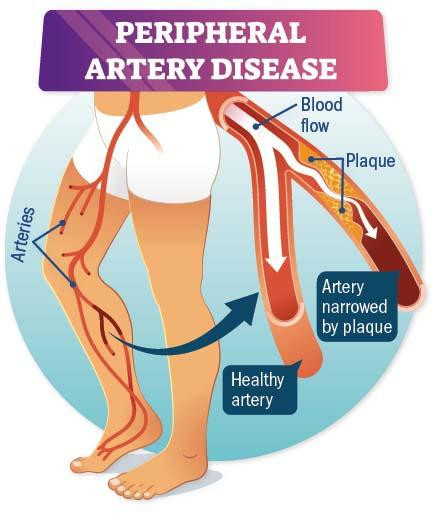
A new approach to peripheral artery disease
A 2025 randomized controlled trial found that GLP-1 receptor agonists, the blockbuster drugs approved to treat diabetes and obesity, boosted the walking ability of people with diabetes and peripheral artery disease (PAD) in the legs. The news is encouraging, since there are few effective treatments for PAD-reduced blood flow in the limbs that leads to pain with activity. However, it will take more evidence before doctors feel comfortable prescribing GLP-1s if a person only has PAD.


Can A.I. help us find a dementia cure?
Doctors are optimistic that artificial intelligence (A.I.) will one day play a role in curing and preventing Alzheimer's disease. One example of A.I.'s application is its use in helping scientists learn how certain molecules might cause Alzheimer's.

Does hormone therapy delay menopause?
Using hormone therapy, which involves taking estrogen and sometimes progesterone, doesn't stop or slow the approach of menopause. The arrival of menopause is determined by women's ovaries, not by the amount of these hormones in the body.

Do you have metabolic syndrome?
Metabolic syndrome is defined as having at least three of the following: abdominal obesity, high blood triglyceride levels, high blood pressure, high blood sugar levels, and low HDL cholesterol levels. The condition significantly increases the risk for cardiovascular disease, diabetes, kidney disease, fatty liver disease, and sleep apnea. While each factor is problematic, the main driver is abdominal obesity, from visceral fat surrounding internal organs. The best way to reduce visceral fat is aerobic exercise, strength training, and a plant-based diet.

Pill form of popular weight-loss drug lowers heart risks
A 2025 study found that a pill version of the drug semaglutide, marketed as Rybelsus, can lower the risk for serious heart problems in people who have diabetes as well as cardiovascular disease, kidney disease, or both.

Exercise can reduce fall risk among older women taking multiple medications
A 2025 study suggested that a structured exercise plan can significantly reduce the risk of falls among older women who take multiple medications.
Hip bursitis vs. arthritis: How to tell the difference
Fitness for longevity: Which type matters most?
Ministrokes linked to elevated risk of dementia
Continuous glucose monitors benefit people who don't need insulin
CoQ10: Should you take this popular supplement if you're on a statin?
Microplastics: A hidden health threat?
Oat vs. dairy milk: Nutrition, benefits, and downsides
What is tempeh? Benefits, nutrition, and how to use it
Healing after food poisoning
Whole grains may improve several heart risk factors at once
Free Healthbeat Signup
Get the latest in health news delivered to your inbox!
Sign Up
