

Hip bursitis vs. arthritis: How to tell the difference

Fitness for longevity: Which type matters most?

Ministrokes linked to elevated risk of dementia

Continuous glucose monitors benefit people who don't need insulin

CoQ10: Should you take this popular supplement if you're on a statin?

Microplastics: A hidden health threat?

Oat vs. dairy milk: Nutrition, benefits, and downsides

What is tempeh? Benefits, nutrition, and how to use it

Healing after food poisoning

Whole grains may improve several heart risk factors at once
Bladder health and disorders Archive
Articles
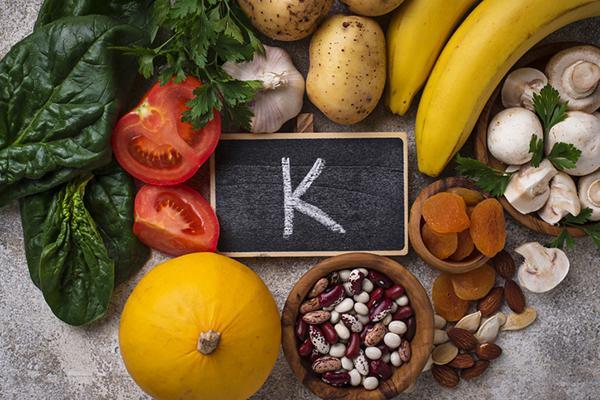
Why does someone with kidney disease need to be careful about high-potassium foods?
When damaged kidneys can&rsquot clear extra potassium, everyday staples like potatoes, beans, and juice may strain the heart. Learn which foods are risky.

The incontinence tool kit
Several tools can help people with incontinence stay dry and comfortable. Tools can include medications; basic supplies, such as protection pads, leakproof underwear, adaptive clothing, and portable urinals; bedwetting alarms; and bathroom locator apps. Some of the most important tools aren't pills or gadgets, but strategies-such as controlling underlying conditions that can lead to incontinence (such as diabetes), weight loss, lifestyle or behavioral changes, and pelvic floor training.
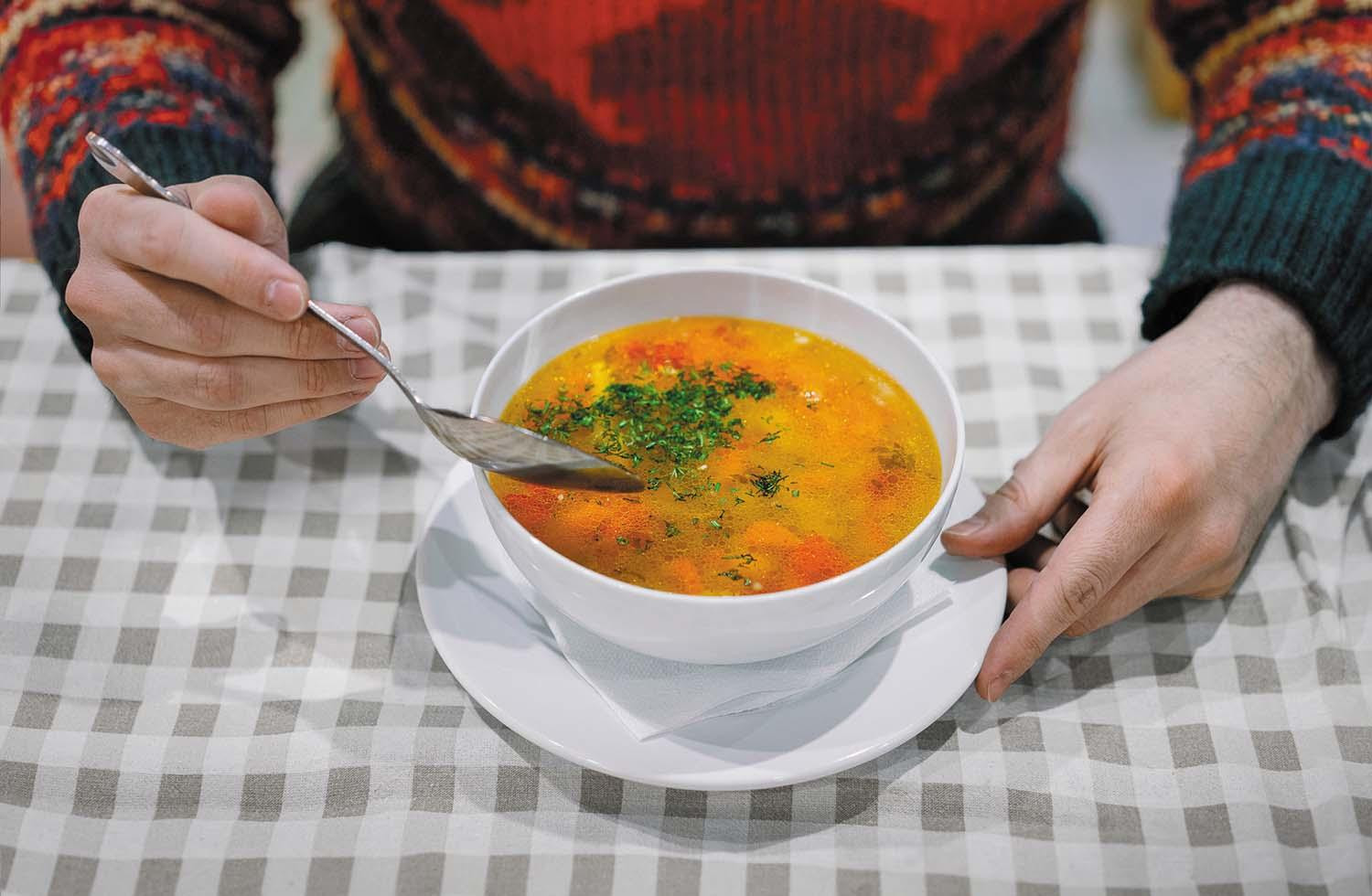
How can I keep my kidneys healthy?
People can adopt several strategies to keep their kidneys healthy, such as managing blood pressure, controlling blood sugar levels, watching salt intake, avoiding alcohol, staying hydrated, and exercising regularly.
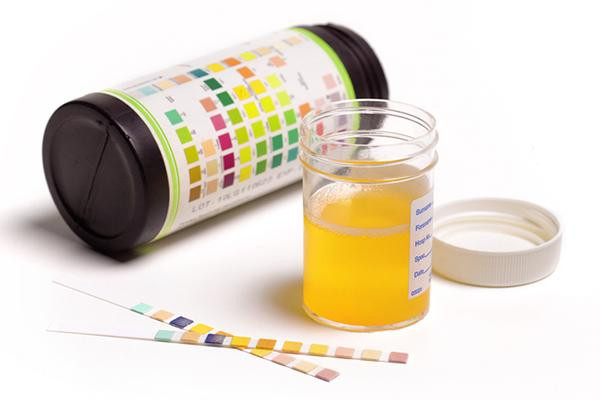
Urine and your health
A urine test, also known as a urinalysis, can reveal a great deal about a person's health. The kidneys produce urine to remove excess fluid and waste products from the body. But urine also contains various chemicals, minerals, toxins, bacteria, and red and white blood cells. Analyzing a urine sample with visual, chemical, and microscopic exams can reveal the presence and amounts of these substances, which can provide clues to specific conditions.


Extreme heat endangers older adults: What to know and do
The surge in heat waves and extreme heat poses serious health risks for everyone but is a particular worry for older adults. What can you do to manage heat-related risks, especially if you have existing health conditions or take certain medications?

Kidney stones: From agony to action
Kidney stones are increasingly common among Americans. Made of minerals and acid salts in the urine, the hard deposits cause symptoms when they get stuck in the ureter, the tube that leads to the bladder. Symptoms include excruciating pain, blood in the urine, nausea, vomiting, fever, and chills. Risk factors for kidney stones include low fluid intake, family history, pregnancy, obesity, high blood pressure, gastric bypass surgery, and eating foods high in salt or sugar. Most kidney stones pass on their own, but treatments can retrieve or destroy the stones.


Pelvic floor SOS
An estimated six in 10 women will at some point experience symptoms from pelvic floor weakness. Risk factors include pregnancy (especially with vaginal delivery), chronic constipation, family history, smoking, aging, menopause, obesity, chronic coughing, and occupations involving heavy lifting. Women with pelvic floor weakness may experience signs such as leaking urine, having trouble using a tampon, being unable to fully empty their bladder or rectum, and feeling a bulge in their vagina.

Exercises that go easy on the bladder
Several strategies can help people cope when stress incontinence leads to urine leaks during exercise. For example, doing low-impact (rather than high-impact) exercise will put less stress on the pelvic floor muscles, helping to reduce leakage. Wearing absorbent "bladder leak" underwear can keep someone dry and comfortable during activity. Regularly strengthening the pelvic floor, abdominal, and hip muscles will bolster the body's ability to keep urine from leaking out of the bladder.
Hip bursitis vs. arthritis: How to tell the difference
Fitness for longevity: Which type matters most?
Ministrokes linked to elevated risk of dementia
Continuous glucose monitors benefit people who don't need insulin
CoQ10: Should you take this popular supplement if you're on a statin?
Microplastics: A hidden health threat?
Oat vs. dairy milk: Nutrition, benefits, and downsides
What is tempeh? Benefits, nutrition, and how to use it
Healing after food poisoning
Whole grains may improve several heart risk factors at once
Free Healthbeat Signup
Get the latest in health news delivered to your inbox!
Sign Up
