

Hip bursitis vs. arthritis: How to tell the difference

Fitness for longevity: Which type matters most?

Ministrokes linked to elevated risk of dementia

Continuous glucose monitors benefit people who don't need insulin

CoQ10: Should you take this popular supplement if you're on a statin?

Microplastics: A hidden health threat?

Oat vs. dairy milk: Nutrition, benefits, and downsides

What is tempeh? Benefits, nutrition, and how to use it

Healing after food poisoning

Whole grains may improve several heart risk factors at once
Blood Pressure Archive
Articles



Ask the doctor: Does prednisone increase blood pressure?
Q. I have rheumatoid arthritis, and my doctor wants me to take prednisone for it. Will prednisone be bad for my blood pressure, which is already high?
A. Prednisone raises blood pressure in many people who take it. One reason is that prednisone and other corticosteroids cause the body to retain fluid. Extra fluid in the circulation can cause an increase in blood pressure.

Ask the doctor: Is vinegar good for the arteries?
Q. I've heard that apple cider vinegar can clean out the arteries. Is there any truth to that?
A. If you believe the stories written about apple cider vinegar, it is a miracle cure for just about anything that ails you, from curbing the appetite to detoxifying the body, boosting the immune system, treating arthritis, and improving circulation. That's a tall order for a brew made from fermented apples. But there's no evidence to back up most of these apple cider vinegar claims.

Should I worry about my fast pulse?
Q. My pulse is usually on the fast side. Does a high heart rate mean I have a problem with my heart?
A. In otherwise healthy people, I don't usually worry about the heart rate unless it is consistently above 100 beats per minute at rest. Heart rates that are consistently above 100, even when the patient is sitting quietly, can sometimes be caused by an abnormal heart rhythm. A high heart rate can also mean the heart muscle is weakened by a virus or some other problem that forces it to beat more often to pump enough blood to the rest of the body.


Ask the doctor: Is bundle branch block serious?
Q. I had an electrocardiogram in preparation for minor surgery. My doctor told me it showed that I have right bundle branch block. Neither he nor my cardiologist are worried about it, but I am. Is this serious?
A. Much of the time, bundle branch block is not serious. If your doctors are telling you it's okay, I would trust them.
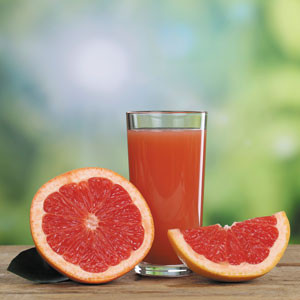
Ask the doctor: Does pomelo juice affect drugs the same way grapefruit juice does?
Q. I avoid grapefruit juice because my doctor says it affects how my body handles the Lipitor I take for my cholesterol. Should I also stay away from pomelo?
A. The pomelo (also called shaddock, pumelo, pommelo, and Chinese grapefruit) is the largest citrus fruit, ranging from the size of a cantaloupe to that of a large watermelon. Botanists believe that crosses between pomelo and wild orange created grapefruit. Pomelo mixes the sweet taste of orange with the tang of lemon. Its lineage means that pomelo contains many of the same compounds as grapefruit.

Feeling woozy when you stand?
It might be orthostatic hypotension, a condition that can be challenging to catch and treat.
You stand up and suddenly feel unsteady on your feet. It's easy to brush off this experience as a fluke or a bug, but don't. You may have a condition called orthostatic hypotension, a temporary drop in blood pressure when you stand. It's tricky to catch.
"Blood pressure is highly variable, and depends on position, timing, the method of measurement, and circumstances associated with its measurement," says Dr. Lewis Lipsitz, chief of gerontology at Harvard-affiliated Beth Israel Deaconess Medical Center and director of the Marcus Institute for Aging Research at Hebrew SeniorLife. "It may take multiple blood pressure measurements at different times of day, lying and standing, in order to detect orthostatic hypotension," Dr. Lipsitz says.

Muscle aches from statins: Real, but sometimes imagined?
The "nocebo effect" may explain why some people believe they can't tolerate statins.
For more than 20 years, cholesterol-lowering statin drugs have been a mainstay for preventing and treating heart disease. But up to half of people prescribed these drugs are no longer taking them within a year or two. The reasons vary, but some people experience what they believe to be statin-related side effects — most often muscle pain. Others avoid statins altogether because of worries over side effects.
"Far too any people think they cannot tolerate statins when they actually can," explains Dr. Jorge Plutzky, director of preventive cardiology at Harvard-affiliated Brigham and Women's Hospital. To be clear, muscle problems are a known side effect of statins. However, serious muscle-related complications are extremely rare (see "What is rhabdomyolysis?"). And when people experience the more common — but less worrisome — muscle-related symptoms, those issues usually resolve with a lower statin dose or a change to a different statin, Dr. Plutzky says.
Hip bursitis vs. arthritis: How to tell the difference
Fitness for longevity: Which type matters most?
Ministrokes linked to elevated risk of dementia
Continuous glucose monitors benefit people who don't need insulin
CoQ10: Should you take this popular supplement if you're on a statin?
Microplastics: A hidden health threat?
Oat vs. dairy milk: Nutrition, benefits, and downsides
What is tempeh? Benefits, nutrition, and how to use it
Healing after food poisoning
Whole grains may improve several heart risk factors at once
Free Healthbeat Signup
Get the latest in health news delivered to your inbox!
Sign Up
