

Hip bursitis vs. arthritis: How to tell the difference

Fitness for longevity: Which type matters most?

Ministrokes linked to elevated risk of dementia

Continuous glucose monitors benefit people who don't need insulin

CoQ10: Should you take this popular supplement if you're on a statin?

Microplastics: A hidden health threat?

Oat vs. dairy milk: Nutrition, benefits, and downsides

What is tempeh? Benefits, nutrition, and how to use it

Healing after food poisoning

Whole grains may improve several heart risk factors at once
Blood Pressure Archive
Articles

Managing mitral valve disease: Progress and promise
Operations to fix faulty mitral valves are on the rise. But less invasive nonsurgical strategies are under development.
The mitral valve — so named because it resembles a miter, a bishop's formal headdress — sits between the two chambers on the left side of your heart. Inherited conditions, diseases, or a combination of the two can cause changes in the size, shape, flexibility, or mechanics of the mitral valve, leaving it unable to close properly. When that happens, blood may flow backward between heartbeats, a problem called regurgitation.
While mild cases are generally harmless and cause no symptoms, more severe cases can increase the heart's workload, leading to breathlessness, fatigue, and other symptoms. Mitral valve regurgitation also produces a distinct sound (heart murmur) that a doctor may hear through a stethoscope.

Vegetable of the month: Cauliflower
Image: © Joe_Potato/Getty Images
Just a few years ago, cauliflower was considered kind of ho-hum, relegated mainly to frozen vegetable medleys or crudité platters. But these days, the mild white vegetable is far more popular, thanks to its versatility as a carbohydrate substitute. Recent diet trends that encourage people to eat fewer starchy and grain-based foods likely contributed to cauliflower's rise.
Even if you're not avoiding carbs, using cauliflower as a substitute for starchy foods such as rice is a good way to cut calories and eat more fiber. You can also make mashed cauliflower instead of mashed potatoes (see www.hsph.harvard.edu/nutritionsource/mashed-cauliflower). Or try making a pizza with one of the many cauliflower-based pizza crusts now available in most grocery stores.

Pay less for heart drugs without using insurance?
Research we're watching
Image: © Gligatron/Getty Images
Do you take generic drugs to lower your blood pressure or cholesterol? You may save money by paying out of pocket at Walmart instead of a paying a Medicare prescription copay, according to an analysis in the July 24 Annals of Internal Medicine.
Walmart (and a number of other large chain stores) offer generic drug discount plans; they sell 30-day supplies of popular generic drugs for $4.

Traditional Southern diet is bad news for people with heart disease
Research we're watching
People with heart disease who eat a traditional Southern diet (rich in meat and fried foods) may be more likely to die sooner than people who follow a plant-based Mediterranean-style diet.
So says a study in the July 12 Journal of the American Heart Association that focused on people with a history of heart disease, such as a heart attack or bypass surgery. Researchers conducted dietary assessments on 3,562 people ages 45 and older and tracked them for about seven years.

New nasal spray may stop rapid heart rhythm
Research we're watching
An experimental nasal spray shows promise for quickly treating an abnormally fast heart rhythm known as supraventricular tachycardia (SVT), a new study reports.
Caused by an electrical misfire that overrides the heart's natural pacemaker, SVT occurs unpredictably, lasting anywhere from minutes to hours. Although usually harmless, the condition can make people dizzy or lightheaded. People with persistent SVT usually need to go to an emergency room for an injection of a drug to slow the heart.
Blood pressure treatment might protect your brain
Research we're watching
Image: © mixetto/Getty Images
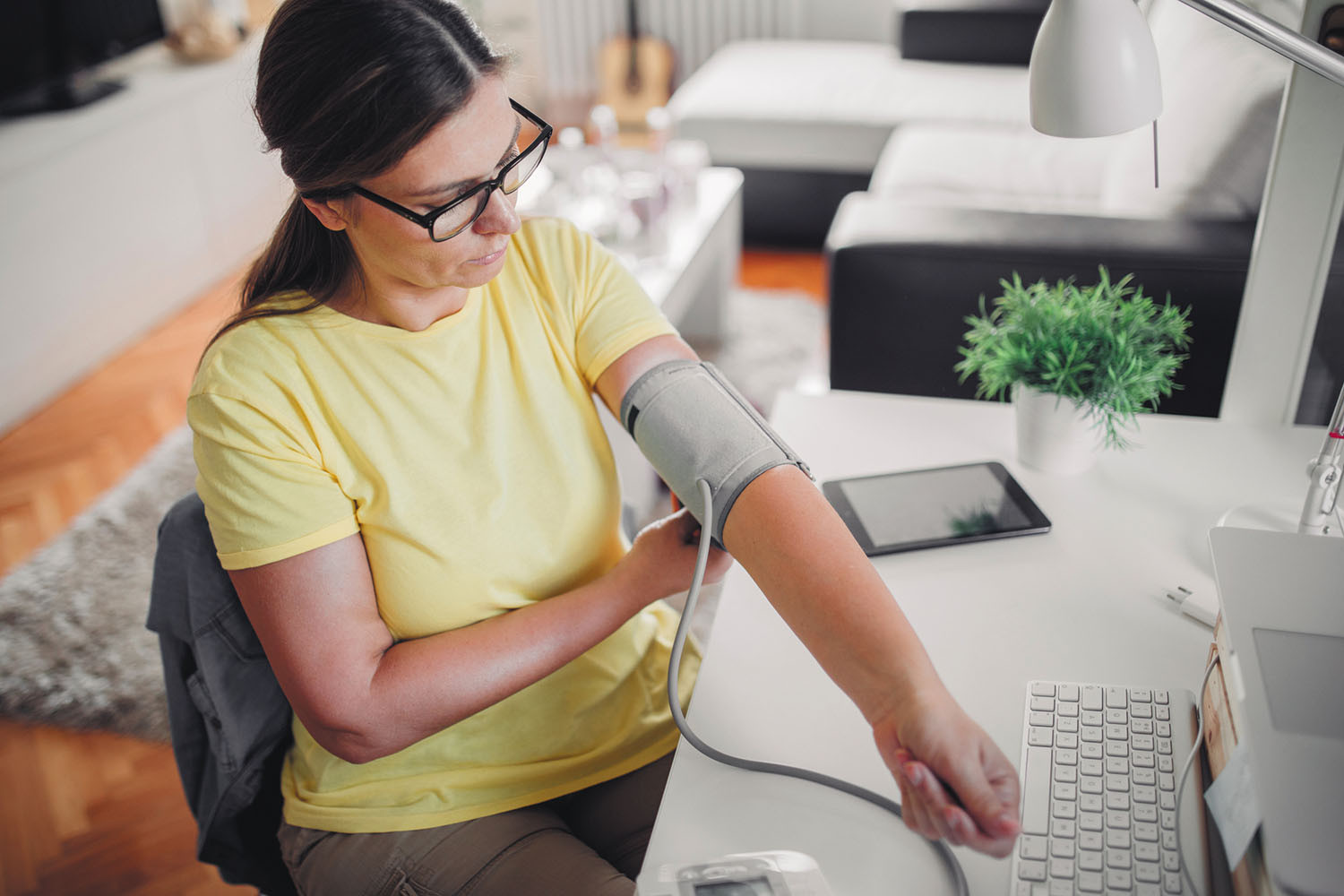
Aggressively treating high blood pressure might help ward off cognitive changes, according to findings presented at the Alzheimer's Association International Conference in July. Researchers from the Systolic Blood Pressure Intervention Trial compared two strategies to manage high blood pressure in more than 9,300 older adults (average age about 68). One strategy aims to achieve the standard treatment level for high systolic blood pressure (the first number in a blood pressure reading), keeping it under 140 mm Hg. The more aggressive strategy sets a goal of less than 120 mm Hg. The aggressive strategy reduced not only heart risks, but seemed to protect the brain.
People in the more aggressively controlled blood pressure group were 19% less likely than those in the standard treatment group to develop new cases of mild cognitive impairment (often a forerunner to dementia). They were also 15% less likely to develop any form of dementia or mild cognitive impairment. This study provides another reason to work with your doctor to reduce high blood pressure.


Depression risks in the medicine cabinet
News briefs
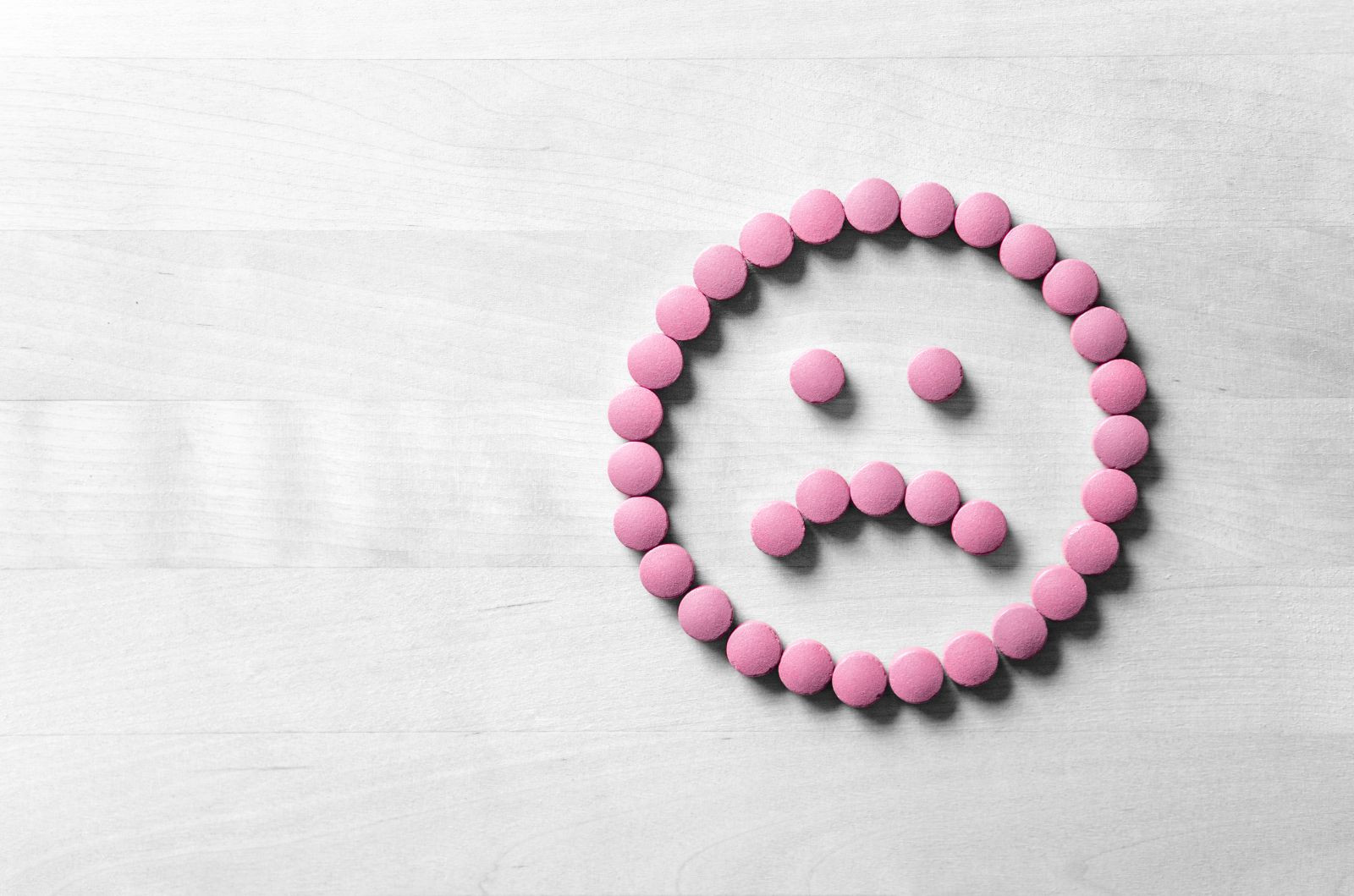
Are you taking a medication that has depression or suicidal thinking as a potential side effect? One or both risks have been linked to use of more than 200 prescription and over-the-counter pills, including medicines that treat high blood pressure, heartburn, pain, and headaches. The more of these drugs you use, the higher the likelihood that you'll experience depression, suggests a study published June 12, 2018, in The Journal of the American Medical Association. Working with five surveys conducted over a nine-year period, researchers evaluated health information from 26,192 adults. About 37% of them reported taking such medications. Of individuals taking three or more of the medications with depression as a possible side effect, about 15% reported depression, compared with about 5% in people not using those medications. Even for people already taking an antidepressant, the addition of one or more of the identified medicines was linked to higher rates of depression. This study was based on surveys, so it didn't prove that the medications caused the reported depression. Nonetheless, if you think you're depressed (and have symptoms such as apathy, hopelessness, changes in sleep or eating habits, and persistent fatigue), ask your doctor if any of the medicines you are taking may be responsible.
Image: © Tero Vesalainen | GettyImages

Virtual visits and high blood pressure
News briefs
If your doctor offers a way to monitor your chronic health condition via computer, consider giving it a try. A Harvard study that was published online April 23, 2018, by the Journal of General Internal Medicine found that people who had "virtual" office visits over the Internet were able to control their blood pressure just as well as people who had in-person follow-up office visits — and they used fewer health care services over all. Researchers compared the health outcomes of two groups. One group included about 900 people with high blood pressure who had in-office follow-up visits. The other group included about 900 people who had "virtual" follow-up visits, which meant they used a website to enter blood pressure readings, track their medications and side effects, and ask questions; their doctors determined whether to follow up by computer or phone or to schedule in an in-office visit. Over the course of six months, blood pressures improved for people in both groups. But people in the virtual care group averaged about one fewer office visit than people in the other group, and they had fewer emergency room visits and hospitalizations over all. The authors say the results support using virtual follow-up visits for other chronic diseases. Indeed, many health care providers already are doing so, including one group in the study — Massachusetts General Hospital, which uses virtual care to follow 65 different kinds of chronic disease.
Image: © AndreyPopov | GettyImages
Hip bursitis vs. arthritis: How to tell the difference
Fitness for longevity: Which type matters most?
Ministrokes linked to elevated risk of dementia
Continuous glucose monitors benefit people who don't need insulin
CoQ10: Should you take this popular supplement if you're on a statin?
Microplastics: A hidden health threat?
Oat vs. dairy milk: Nutrition, benefits, and downsides
What is tempeh? Benefits, nutrition, and how to use it
Healing after food poisoning
Whole grains may improve several heart risk factors at once
Free Healthbeat Signup
Get the latest in health news delivered to your inbox!
Sign Up
