

Hip bursitis vs. arthritis: How to tell the difference

Fitness for longevity: Which type matters most?

Ministrokes linked to elevated risk of dementia

Continuous glucose monitors benefit people who don't need insulin

CoQ10: Should you take this popular supplement if you're on a statin?

Microplastics: A hidden health threat?

Oat vs. dairy milk: Nutrition, benefits, and downsides

What is tempeh? Benefits, nutrition, and how to use it

Healing after food poisoning

Whole grains may improve several heart risk factors at once
Blood Pressure Archive
Articles

Raising potassium intake might lower high blood pressure
Increasing potassium levels while lowering sodium may be more effective in lowering high blood pressure than reducing dietary salt alone, particularly for men, according to a 2025 study.
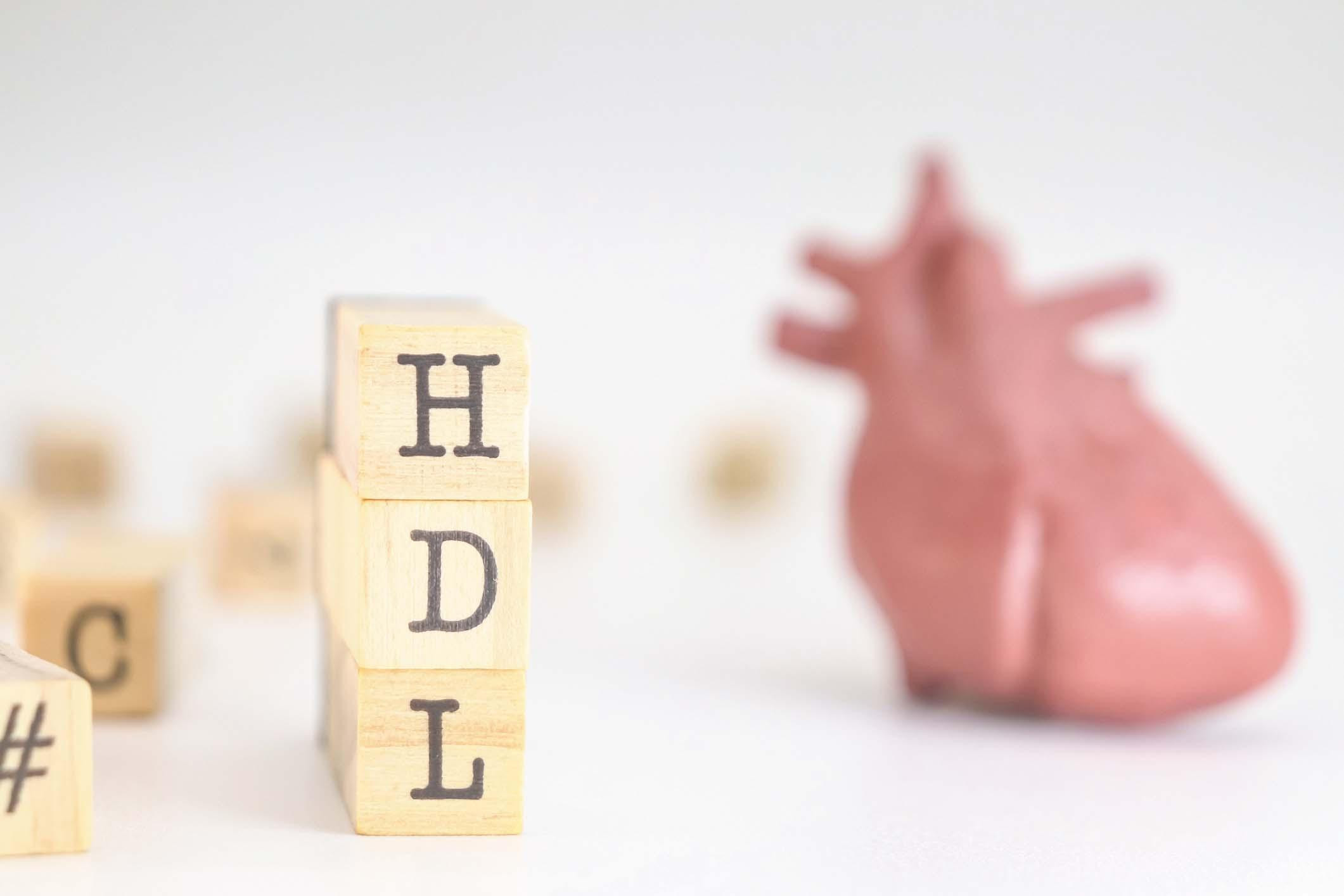
The complex story of HDL cholesterol
Lowering high levels of low-density lipoprotein (LDL), or “bad” cholesterol, is important for preventing and treating heart disease. The other cholesterol—high-density lipoprotein (HDL)—is often called “good” cholesterol, but this may be misleading. While some HDL particles gather excess cholesterol from the bloodstream and artery walls and deliver it to the liver where it's excreted, other particles are not good at this job, and some can even increase levels. People should focus on their LDL and not focus as much on HDL unless it’s very low or very high.

Brisk walking linked to a lower risk of abnormal heart rhythms
A 2025 study found that people who walk at an average or brisk pace (3 or more miles per hour) were less likely to develop abnormal heart rhythms than people who walk more slowly.

Fiber-rich diets may lower the risk of stroke
People whose average daily diets included at least 18 grams of fiber were less likely to have a stroke than those who ate less fiber, according a 2025 study.

New drug shows promise for stubbornly high blood pressure
A 2025 suggests that an experimental drug called lorundrostat may be an effective add-on therapy for high blood pressure that has not responded to medication. The drug works by reducing aldosterone, a hormone that helps regulate blood pressure.
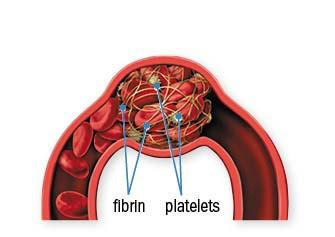
What's new in blood clot prevention?
If a blood clot lodges in an artery or vein, it can choke off blood flow to the heart, brain, or lung. Often called blood thinners, anti-clotting drugs play a big role in treating heart disease. But they can cause minor (and sometimes serious) bleeding, ranging from nosebleeds to bleeding inside the brain. New solutions to balance clot prevention and excess bleeding are in the works, including low-dose drug combinations and new medications.
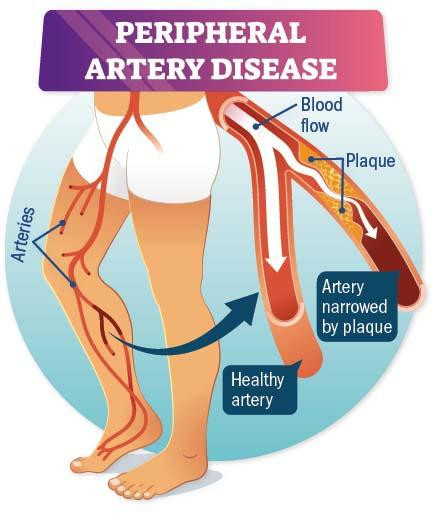
A new approach to peripheral artery disease
A 2025 randomized controlled trial found that GLP-1 receptor agonists, the blockbuster drugs approved to treat diabetes and obesity, boosted the walking ability of people with diabetes and peripheral artery disease (PAD) in the legs. The news is encouraging, since there are few effective treatments for PAD-reduced blood flow in the limbs that leads to pain with activity. However, it will take more evidence before doctors feel comfortable prescribing GLP-1s if a person only has PAD.

Walking pace linked to reduced risks for an irregular heartbeat
In a 2025 study of more than 420,000 participants followed for about 13 years, people who walked at a steady or brisk pace had up to a 43% lower risk for developing heart arrhythmias, compared with those who walked at a slow pace.

The many dimensions of a good night's sleep
Getting a sufficient amount of sleep is vital for heart health, but sleep continuity, timing, and regularity may also be important. Irregularities in these lesser-known dimensions of sleep health are not considered problems unless they impair a person's ability to function and quality of life. But emerging evidence suggest these sleep issues may affect cardiometabolic health. A sleep diary can help uncover potential issues.
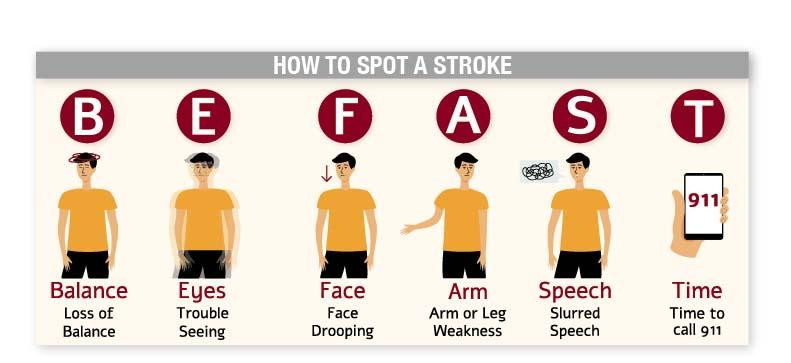
Brief brain attacks: Short symptoms, long consequences
A 2025 study finds that a first-time transient ischemic attack (TIA) can lead to the same long-term decline in thinking and memory problems as a full-blown stroke. Experts suggest cognitive testing after a TIA. People who have TIAs should take extra care to address risk factors for heart attack and stroke, such as high blood pressure and high cholesterol. Exercising regularly and staying socially active may help ward off cognitive decline.
Hip bursitis vs. arthritis: How to tell the difference
Fitness for longevity: Which type matters most?
Ministrokes linked to elevated risk of dementia
Continuous glucose monitors benefit people who don't need insulin
CoQ10: Should you take this popular supplement if you're on a statin?
Microplastics: A hidden health threat?
Oat vs. dairy milk: Nutrition, benefits, and downsides
What is tempeh? Benefits, nutrition, and how to use it
Healing after food poisoning
Whole grains may improve several heart risk factors at once
Free Healthbeat Signup
Get the latest in health news delivered to your inbox!
Sign Up
