

Hip bursitis vs. arthritis: How to tell the difference

Fitness for longevity: Which type matters most?

Ministrokes linked to elevated risk of dementia

Continuous glucose monitors benefit people who don't need insulin

CoQ10: Should you take this popular supplement if you're on a statin?

Microplastics: A hidden health threat?

Oat vs. dairy milk: Nutrition, benefits, and downsides

What is tempeh? Benefits, nutrition, and how to use it

Healing after food poisoning

Whole grains may improve several heart risk factors at once
Blood Pressure Archive
Articles
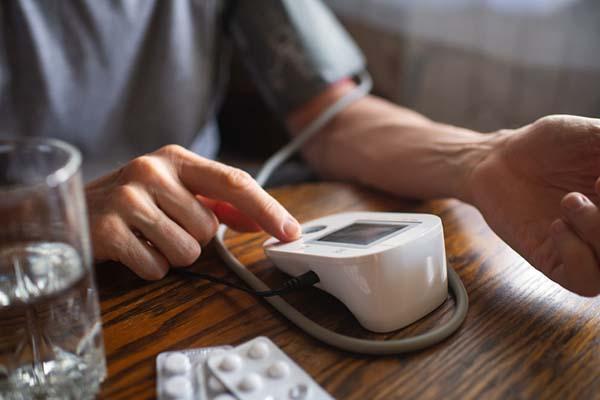
When should you take your blood pressure medicine for the best effect?
Timing your blood pressure pills can impact control and side effects. Discover how morning vs. bedtime dosing may affect your readings.
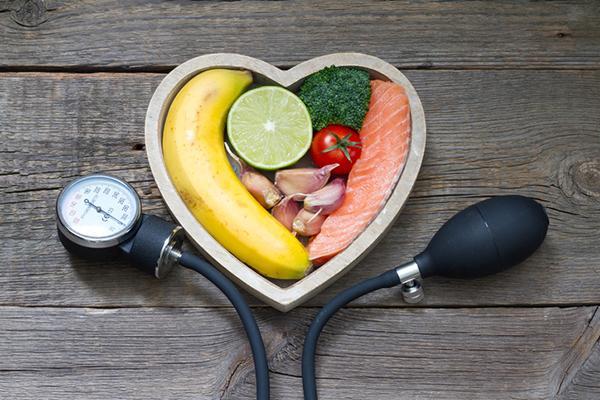
A guide to the DASH diet
The DASH diet is a flexible, science-backed eating plan proven to lower blood pressure, while also reducing risks of heart disease, diabetes, cancer, and cognitive decline. Emphasizing vegetables, fruits, whole grains, and low-fat dairy products, it’s a healthy way to eat that suits almost everyone.

What happens during a transesophageal echocardiogram for heart valve problems?
Get a step‑by‑step look at how a transesophageal echocardiogram is done, what your loved one may feel, and how it helps guide heart valve surgery

Taming high blood pressure: How doctors find the right drug mix
When prescribing hypertension medications, doctors consider many factors, including whether a person has stage 1 or stage 2 hypertension and their other health conditions and lifestyle habits.

Try this tai chi exercise to relieve stress
Tai chi exercises combine slow, flowing movements with deep breathing and guided imagery. The practice can help promote relaxation and reduce the harmful effects of stress, which include high blood pressure and related cardiovascular problems.

Easy ways to add tofu to your diet
Tofu and other foods made from soybeans are among the best plant-based sources of protein. They are also rich in other nutrients that benefit heart health, such as fiber, healthy fat, and minerals like potassium and magnesium.

Is air travel safe with glaucoma and an abdominal aortic aneurysm?
Explore how glaucoma and an abdominal aortic aneurysm could affect air travel, and which medical details to confirm before you fly.

Could my blood pressure medication be causing my hot flashes to return?
After starting treatment for high blood pressure, your hot flashes are back. Explore how medications and other conditions might be involved.

Insufficient sleep linked to higher risk of atrial fibrillation
Insomnia is linked to an increased risk of atrial fibrillation (afib), a heart rhythm disorder, according to a 2026 study. Insufficient sleep may trigger physiological and hormonal changes that may leave people more susceptible to afib.

Types of heart failure: What do the different terms mean?
Heart failure (when the heart can’t pump or fill with blood effectively) stems from a range of conditions that weaken or stiffen the heart. Heart failure is described and classified by what part of the heart is affected and the severity of symptoms.
Hip bursitis vs. arthritis: How to tell the difference
Fitness for longevity: Which type matters most?
Ministrokes linked to elevated risk of dementia
Continuous glucose monitors benefit people who don't need insulin
CoQ10: Should you take this popular supplement if you're on a statin?
Microplastics: A hidden health threat?
Oat vs. dairy milk: Nutrition, benefits, and downsides
What is tempeh? Benefits, nutrition, and how to use it
Healing after food poisoning
Whole grains may improve several heart risk factors at once
Free Healthbeat Signup
Get the latest in health news delivered to your inbox!
Sign Up
