

Hip bursitis vs. arthritis: How to tell the difference

Fitness for longevity: Which type matters most?

Ministrokes linked to elevated risk of dementia

Continuous glucose monitors benefit people who don't need insulin

CoQ10: Should you take this popular supplement if you're on a statin?

Microplastics: A hidden health threat?

Oat vs. dairy milk: Nutrition, benefits, and downsides

What is tempeh? Benefits, nutrition, and how to use it

Healing after food poisoning

Whole grains may improve several heart risk factors at once
Blood sugar monitoring Archive
Articles

Can lifestyle changes reverse fatty liver disease?
A new fatty liver diagnosis can be a wake-up call. Explore how diet, exercise, weight loss, and cutting alcohol may help protect your liver.

Could frequent hunger and dizziness be signs of low blood sugar?
Unexplained weight loss, frequent hunger, and feeling shaky or ill between meals may signal blood sugar swings that deserve a closer look.

Can steroid asthma inhalers increase blood sugar?
Inhaled corticosteroids mostly act in the lungs, but some enter the bloodstream. Learn when they might nudge glucose higher and how doctors adjust care.
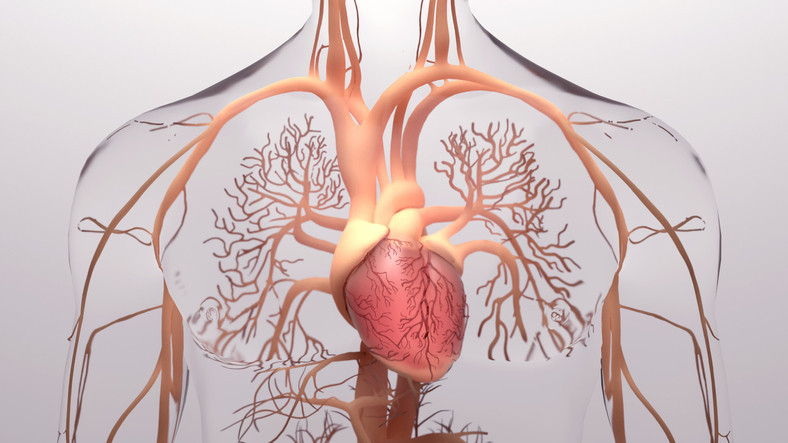
How good is your cardiometabolic health - and what is that, anyway?
An analysis shows less than 7% of adults in the US meet the criteria for optimal cardiometabolic health. Taking small steps to help control and improve key risk factors can reduce the odds of a heart attack or stroke.

Could certain symptoms indicate low blood sugar in someone with type 2 diabetes?
Strict blood sugar targets can raise hypoglycemia risks like falls and confusion. Learn why many experts now favor looser goals for older adults.

What's the connection between an underactive thyroid, cholesterol, and blood sugar levels?
Low thyroid hormone can quietly nudge LDL and glucose in the wrong direction. Learn more about the connection.
I have a high iron blood level. What does that mean?
A single high iron result doesn't always equal iron overload. Learn which follow‑up tests matter and when changing what you eat might help.

Why do I feel low blood sugar symptoms even when my glucose is in the normal range?
Long‑standing, poorly controlled diabetes can shift how your brain senses "low" glucose. Learn why near‑normal levels may trigger symptoms.

Resistant starch: Can you make the carbs you eat a little healthier?
Resistant starch causes smaller blood sugar spikes than regular starches, and feeds beneficial gut bacteria. You can increase the resistant starch content of starchy foods by cooking and chilling them, though overall diet quality matters more to blood sugar control than this trick alone.
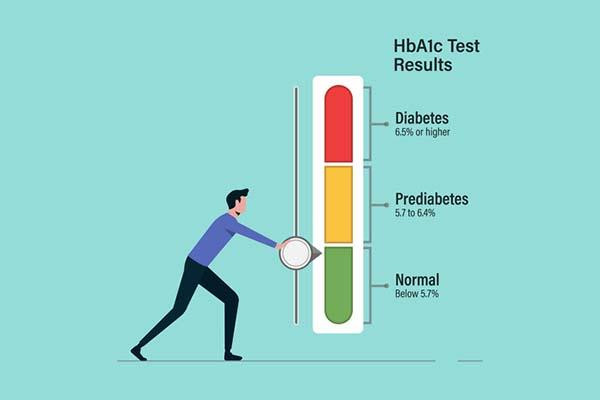
The best test to measure your diabetes risk
A hemoglobin HbA1c test is standard for anyone at risk for diabetes or anyone with diabetes. The HbA1c is a blood test that shows a person's average blood sugar levels over a three-month period.
Hip bursitis vs. arthritis: How to tell the difference
Fitness for longevity: Which type matters most?
Ministrokes linked to elevated risk of dementia
Continuous glucose monitors benefit people who don't need insulin
CoQ10: Should you take this popular supplement if you're on a statin?
Microplastics: A hidden health threat?
Oat vs. dairy milk: Nutrition, benefits, and downsides
What is tempeh? Benefits, nutrition, and how to use it
Healing after food poisoning
Whole grains may improve several heart risk factors at once
Free Healthbeat Signup
Get the latest in health news delivered to your inbox!
Sign Up
