

Hip bursitis vs. arthritis: How to tell the difference

Fitness for longevity: Which type matters most?

Ministrokes linked to elevated risk of dementia

Continuous glucose monitors benefit people who don't need insulin

CoQ10: Should you take this popular supplement if you're on a statin?

Microplastics: A hidden health threat?

Oat vs. dairy milk: Nutrition, benefits, and downsides

What is tempeh? Benefits, nutrition, and how to use it

Healing after food poisoning

Whole grains may improve several heart risk factors at once
Bones and joints Archive
Articles
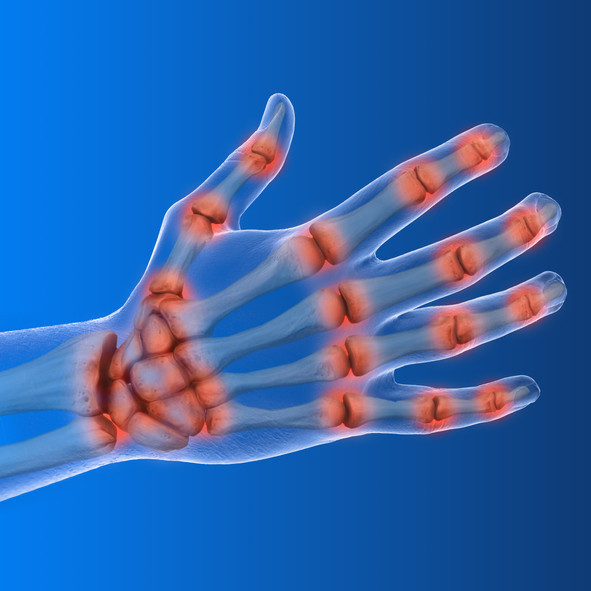
Harvard Health AdWatch: An arthritis ad in 4 parts

Medication may lower future hip fracture risk
In the journals
If you are ever hospitalized for a hip fracture, using an anti-osteoporosis medication may protect you from another bone fracture. A study in the September 2020 issue of Bone examined data on almost 78,000 people ages 50 and older hospitalized with hip fractures. About 10,000 were given anti-osteoporosis medication — usually alendronate (Fosamax) — within one year.
People who began treatment 15 to 84 days after their fracture were less likely to be hospitalized for another kind of fracture in the future compared with people who began treatment later. Those who first took medication after 252 days had the highest risk. The researchers were not able to measure the participants' bone density, so it's possible some people had especially strong or weak bones, which may have influenced the outcome.

Chronic pain linked to higher risk of heart attack and stroke
Research we're watching
People with chronic pain may be more likely to have a heart attack or stroke than those without chronic pain, according to a study published online May 7, 2020, by the journal Pain Medicine.
From 2001 to 2005, researchers identified 17,614 Taiwanese people who had used pain relievers for at least three months. The most common causes of pain were spinal disorders, arthritis, and headaches; the pain relievers included both over-the-counter drugs and prescription opioids. For the comparison group, researchers used 35,228 people without chronic pain who were matched by age and sex to those in the first group.

Eczema is associated with a higher risk of bone breaks
Research we're watching
If you suffer from the common skin condition eczema, you may have a higher risk of breaking a bone compared with someone who doesn't have the condition, according to a study published in the February 2020 issue of The Journal of Allergy and Clinical Immunology. The study authors found that the 500,000 people in the study who had eczema, which causes itchy dry patches on the skin, were 7% to 18% more likely to break a bone in the wrist, hip, pelvis, or spine when compared with more than 2.5 million participants who didn't have the condition. Researchers said it's not clear if this elevated fracture risk was related to the eczema itself or whether other factors caused the association. For example, the increase in risk could have been related to medications people took to treat eczema. Even so, if you have eczema, the study authors say it may be worth asking your doctor whether you might be at increased risk for osteoporosis.
Image: © vadimguzhva/Getty Images

5 Internet recommendations for joint pain: Do they work?
Some ideas seem reasonable, but that doesn't mean they'll help.
People increasingly consult the Internet about medical problems. If you're looking for approaches to relieve joint pain and inflammation caused by wear and tear (osteoarthritis) or an immune system attack (such as occurs in rheumatoid arthritis), you may find methods that sound promising and even sensible. But will they work? Here's advice on five pain relief methods commonly touted on the Internet.
1. Music therapy
Listening to music can evoke powerful emotions that help people relax or heal, which is the basis of music therapy. Research has found that music therapy is associated with less anxiety before surgery or during chemotherapy, and better functioning during physical rehabilitation.


Boning up on osteoporosis
Men need to manage their bone health as much as women do.
Most people think of osteoporosis as a women-only health problem, but older men also need protection from this bone-weakening disease.
About one in four men older than 50 will break a bone because of osteoporosis during his lifetime, according to the National Osteoporosis Foundation. And research has found that compared with women, older men are more likely to die following a fracture related to osteoporosis.

Easing the ache
Osteoarthritis pain can be debilitating. Strategies can help get you moving again.
Pain from osteoarthritis is more than just a nuisance. Knee pain, in particular, can not only keep people from exercising, but also have a chilling effect on their ability to participate in social activities, especially those that involve walking or traveling, says Elena Losina, the Robert W. Lovett Professor of Orthopedic Surgery at Harvard Medical School and co-director of the Orthopaedic and Arthritis Center for Outcomes Research at Brigham and Women's Hospital.
"In fact, the quality of life of a person with persistent pain due to knee osteoarthritis is similar to quality of life in women with metastatic breast cancer controlled by therapy," she says.

Autoimmune lung disease: Early recognition and treatment helps
Autoimmune diseases occur when the body generates an immune response against itself. Some people with rheumatic or autoimmune diseases, such as rheumatoid arthritis or lupus, develop an autoimmune lung disease. Marked by lung inflammation and possible scarring, it’s easier to treat if detected early.

Hip bursitis vs. arthritis: How to tell the difference
Fitness for longevity: Which type matters most?
Ministrokes linked to elevated risk of dementia
Continuous glucose monitors benefit people who don't need insulin
CoQ10: Should you take this popular supplement if you're on a statin?
Microplastics: A hidden health threat?
Oat vs. dairy milk: Nutrition, benefits, and downsides
What is tempeh? Benefits, nutrition, and how to use it
Healing after food poisoning
Whole grains may improve several heart risk factors at once
Free Healthbeat Signup
Get the latest in health news delivered to your inbox!
Sign Up
