

Hip bursitis vs. arthritis: How to tell the difference

Fitness for longevity: Which type matters most?

Ministrokes linked to elevated risk of dementia

Continuous glucose monitors benefit people who don't need insulin

CoQ10: Should you take this popular supplement if you're on a statin?

Microplastics: A hidden health threat?

Oat vs. dairy milk: Nutrition, benefits, and downsides

What is tempeh? Benefits, nutrition, and how to use it

Healing after food poisoning

Whole grains may improve several heart risk factors at once
Bones and joints Archive
Articles

Does arthritis pain change with the weather?
Ask the doctors
Q. My friend insists that her arthritis pain gets worse just before it rains. Is it true that joint pain can intensify based on the weather?
A. Despite what your friend, your grandmother, and generations of people have sworn is the case, experts haven't found consistent evidence that arthritis pain gets worse on rainy days. At best, study results over the years have been mixed, and one large, recent study seems to cast doubt on the theory.


Surgery-free pain relief for hips and knees
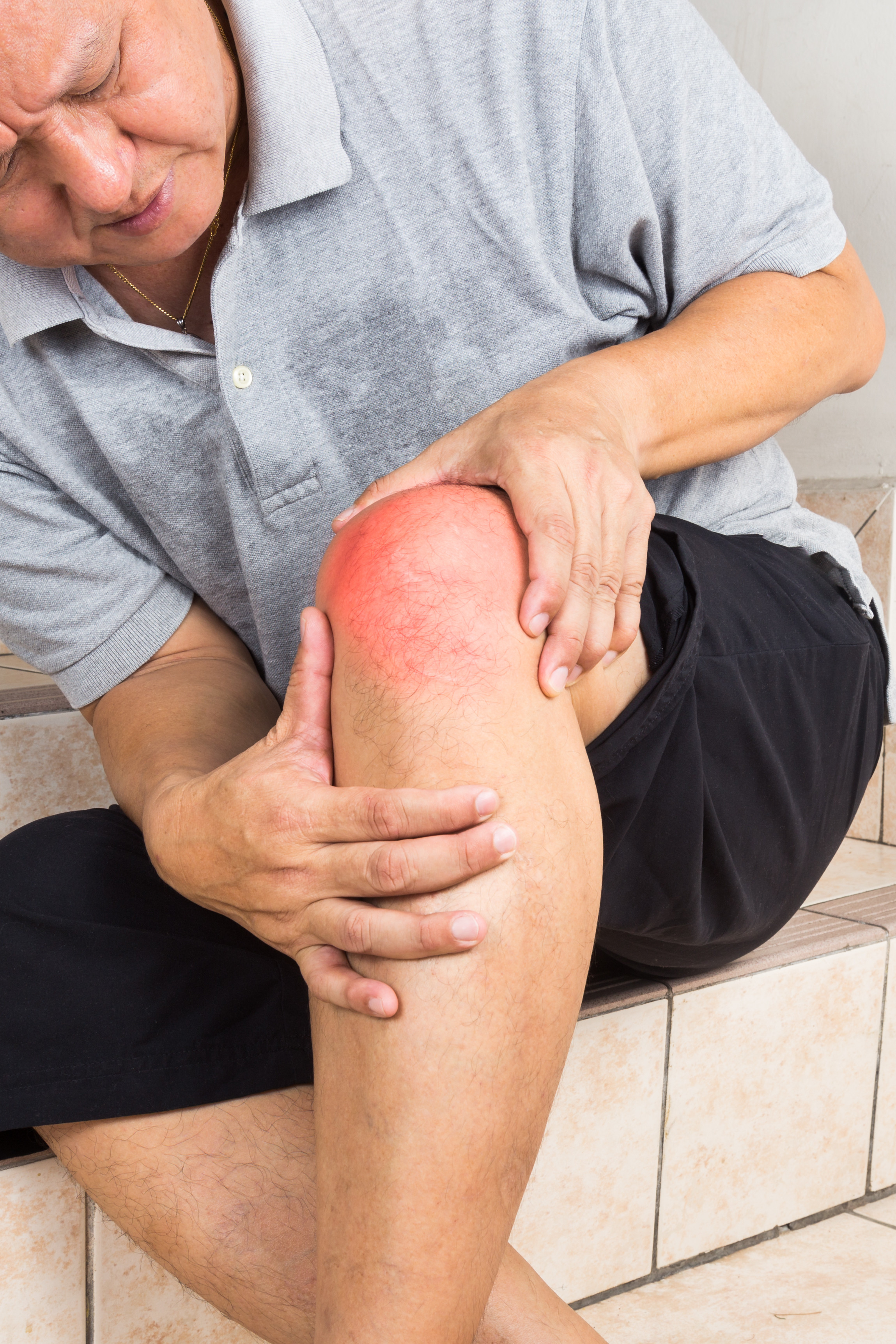
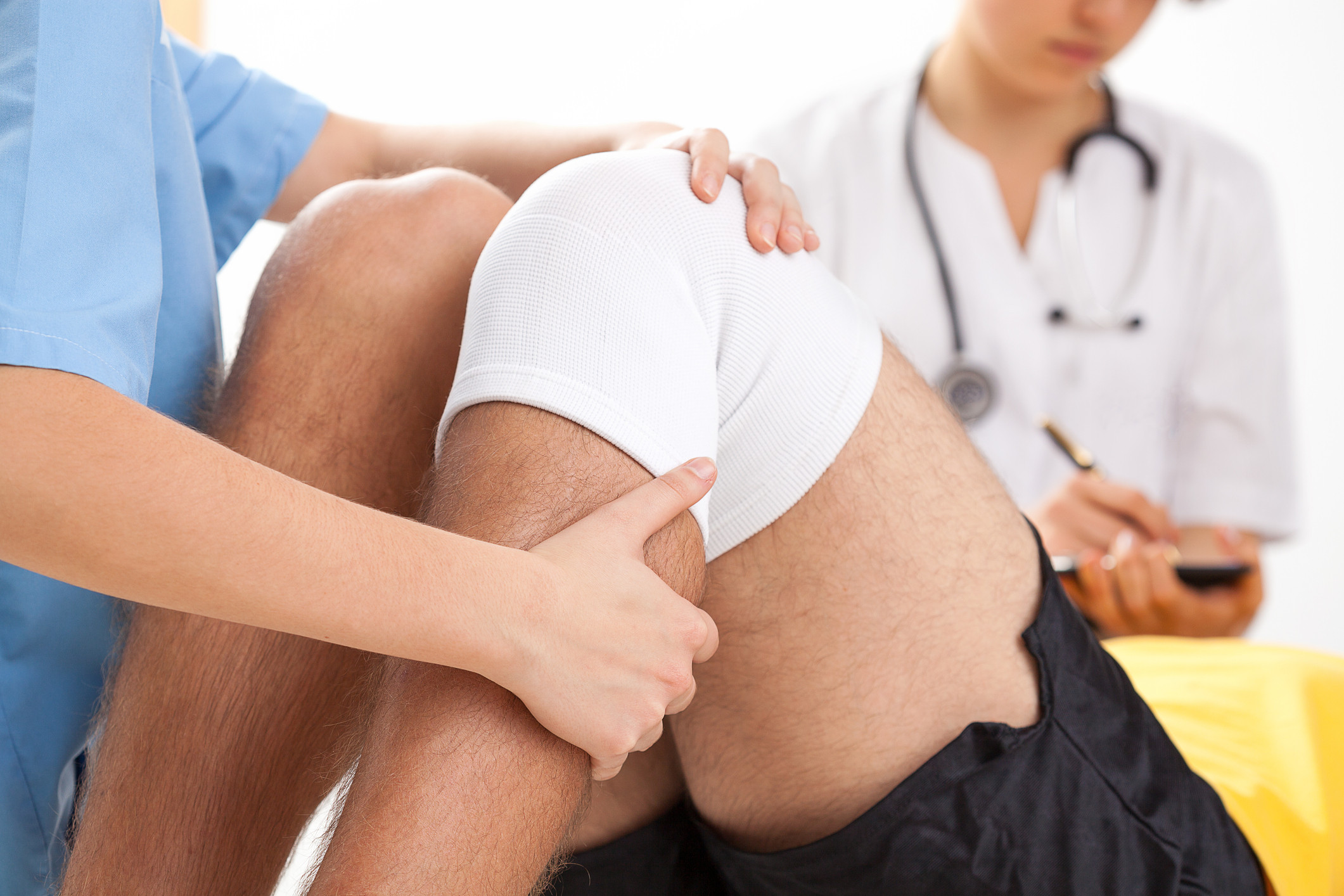
Hip and knee pain can keep you from the activities you love, as well as make routine tasks difficult. But there are many ways to get you moving again pain-free, without surgery. Here are some of the treatments that can help relieve hip and knee pain.
Ultrasound, phonophoresis, and iontophoresis
Therapeutic ultrasound is a simple procedure that uses sound waves to increase blood flow, relax muscle spasms, and aid healing that leads to faster hip pain relief and knee pain relief. The therapist applies gel to your skin and moves an ultrasound wand over your skin around the painful area. In a special ultrasound technique called phonophoresis, medication (often hydrocortisone) is added to the gel. In a survey of orthopedic physical therapists, more than half said they would use ultrasound and phonophoresis to reduce soft-tissue inflammation (in tendinitis or bursitis, for example). These techniques are also used to manage pain, heal tissue, and help muscles stretch.


Keeping bones strong
Ounce for ounce, bone bears as much weight as reinforced concrete. However, unlike reinforced concrete, bone is a living tissue. It serves as a repository of minerals for the rest of the body to use, continuously lending them out and replacing them. Bone also gets stronger when "stressed" by physical activity, and can repair itself when injured.
The building and tearing down of bone tissue is called remodeling. This process happens continuously throughout your entire life. At first, your body rebuilds more bone than it demolishes. Typically, a person reaches peak bone mass around the age of 30. Among women, bone mass usually remains steady for the next 20 years or so until the onset of menopause, when bone is lost much more quickly than it is replaced. When bone loss is significant, the result is osteoporosis (which means "porous bone"). Bone loss generally starts later for men — typically in the late 50s — and progresses more slowly than in women. But men can also get osteoporosis.

Are you at risk for osteoarthritis?
Osteoarthritis, the most common form of arthritis, occurs when protective cartilage inside a joint wears down. This type of arthritis is unheard of in children and is rare in young adults, but often occurs in older people and people who are overweight. Because of this, osteoarthritis was long considered a natural product of aging and everyday wear and tear on joint cartilage.
However, many experts now believe the cause is much more complex. External factors, such as injuries, can set the stage for osteoarthritis, but how fast it progresses and how severe it becomes depends on a number of factors. Here are just a few factors that can increase your osteoarthritis risk.

Arthritis drugs do little for sufferers’ mental health
In the journals
Many people with rheumatoid arthritis (RA) also deal with ongoing depression and anxiety related to their pain and disability. While drugs used to treat the disease help alleviate the joint pain and stiffness, a recent study suggests they may not extend to improving patients' mental health.
The findings, published online June 6, 2018, by Arthritis & Rheumatology, reviewed more than 70 clinical trials and found only a small association between various drugs used for RA, such as adalimumab (Humira), rituximab (Rituxan), abatacept (Orencia), and tocilizumab (Actemra), and mental health outcomes in patients.
4 ways to put off joint replacement
A desire to stay active and a natural aversion to pain send nearly 800,000 Americans to orthopedic surgeons each year for a hip or knee replacement. And we're seeking these operations much earlier in life. According to Dr. Scott Martin, associate professor of orthopedic surgery at Harvard Medical School, this isn't a healthy trend. "A lot of joint replacements are being done because they can be," says Dr. Martin.
Every surgical procedure carries the risk of complications — or even death. Because the average joint that's replaced only lasts 10 to 15 years, having the procedure done at age 50 instead of 70 means there's a good chance you'll need a second procedure when you're older and at higher risk for complications.
Hip bursitis vs. arthritis: How to tell the difference
Fitness for longevity: Which type matters most?
Ministrokes linked to elevated risk of dementia
Continuous glucose monitors benefit people who don't need insulin
CoQ10: Should you take this popular supplement if you're on a statin?
Microplastics: A hidden health threat?
Oat vs. dairy milk: Nutrition, benefits, and downsides
What is tempeh? Benefits, nutrition, and how to use it
Healing after food poisoning
Whole grains may improve several heart risk factors at once
Free Healthbeat Signup
Get the latest in health news delivered to your inbox!
Sign Up
