

Hip bursitis vs. arthritis: How to tell the difference

Fitness for longevity: Which type matters most?

Ministrokes linked to elevated risk of dementia

Continuous glucose monitors benefit people who don't need insulin

CoQ10: Should you take this popular supplement if you're on a statin?

Microplastics: A hidden health threat?

Oat vs. dairy milk: Nutrition, benefits, and downsides

What is tempeh? Benefits, nutrition, and how to use it

Healing after food poisoning

Whole grains may improve several heart risk factors at once
Bones and joints Archive
Articles

How to treat shoulder impingement
Shoulder impingement occurs when tendons or bursae are compressed, often causing pain when reaching overhead or behind you. It's linked to poor posture, weak rotator cuff muscles, and tight chest muscles. Strengthening, posture correction, and stretching usually relieve symptoms.
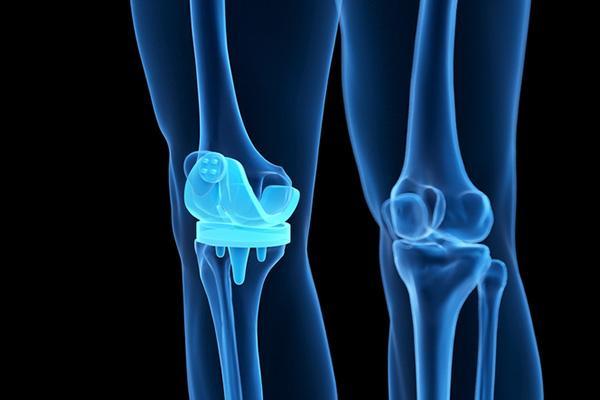
Advancements in knee replacement: More precise and personalized
Total knee replacement can relieve pain and restore function for people with knee osteoarthritis. Innovations, such as robotic-assisted surgery, personalized 3D-printed implants, and enhanced protocols for rehabilitation and pain control, aim to further improve results.
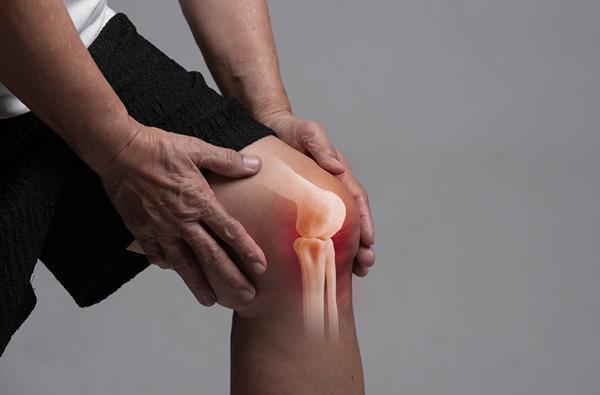
How to cope with bone-on-bone joint pain
"Bone-on-bone" is a common description for advanced osteoarthritis, when the cartilage in a joint wears away completely. Symptoms, including pain, stiffness, and limited motion, can be managed with physical therapy, weight loss, pain medications, injections, and possibly joint replacement.
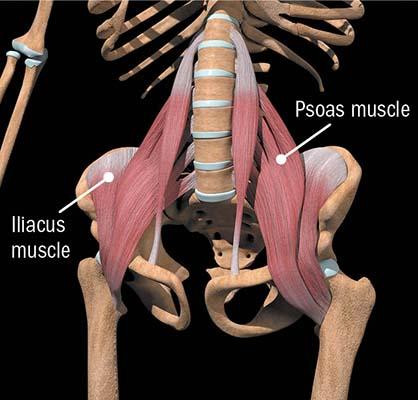
Try these stretches to avoid sore hips
Hours spent sitting can leave a person's hips feeling stiff and sore, often because the hip flexor muscles have tightened and shortened. Understanding how these muscles work and practicing simple stretches regularly can relieve discomfort and improve flexibility.
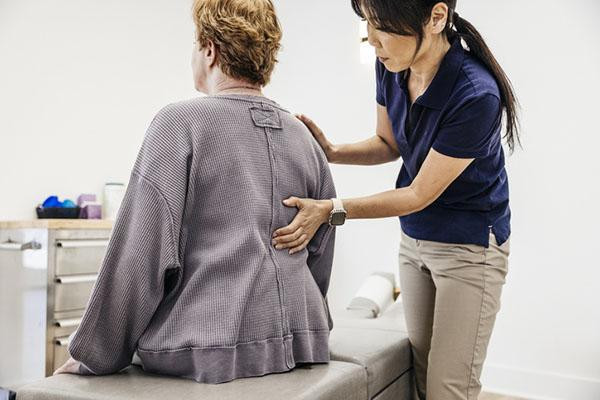
Don't wait to get help for back pain
Low back pain is common. It often results from poor posture, bad ergonomics, unusual movement patterns, and age-related spinal changes. Ignoring pain can lead to muscle weakness and instability. Early care, including physical therapy, helps relieve pain and prevent future problems.
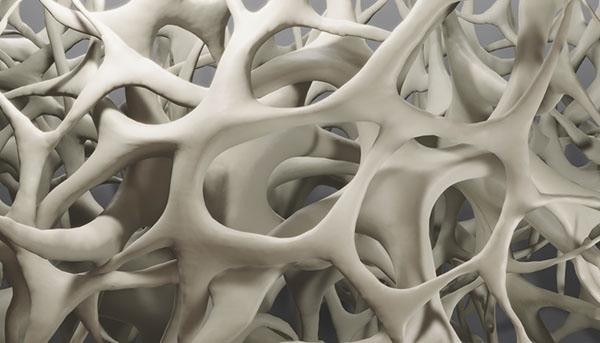
Everyday habits that sneakily weaken your bones
A variety of everyday habits can stealthily reduce bone health. These include consuming too little calcium, excessive caffeine or soda, inadequate protein, and large amounts of alcohol, as well as smoking, being sedentary, dieting frequently, or taking certain medications.
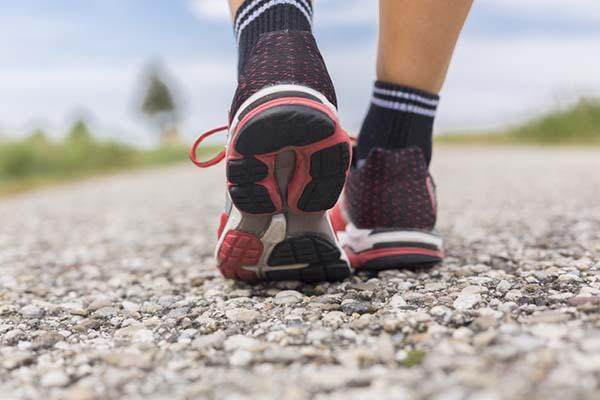
Correcting how you walk may ease osteoarthritis knee pain
For people with knee osteoarthritis, walking pattern (called gait) matters. Pain can lead to habits like shuffling or shortening steps, increasing joint stress. Gait training, along with strengthening, stretching, and balance, can help normalize walking, improve stability, and reduce knee strain.
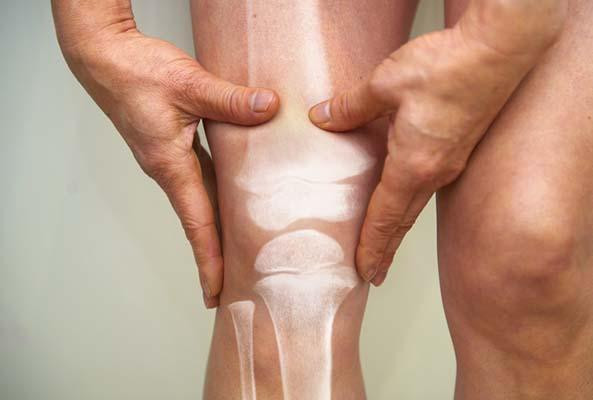
Reproductive factors may raise women's osteoporosis risk
A 2025 study suggested that women with a history of infertility, miscarriage, or stillbirth or who have borne just one child or no children may be likelier to eventually develop osteoporosis.
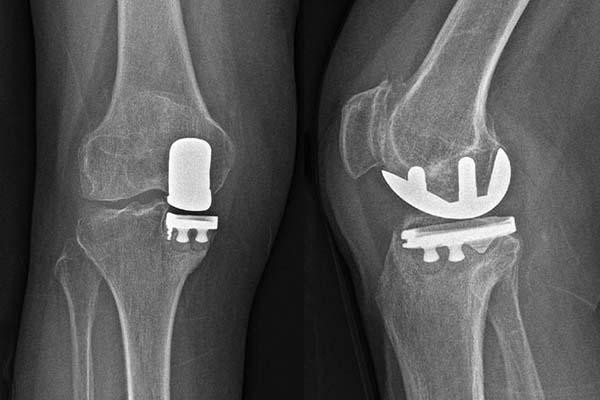
Partial knee replacement as effective as total replacement for select patients
A 2025 study found that for people with advanced knee osteoarthritis in which the damage is limited to one side of the joint, partial knee replacement is as effective as total knee replacement for pain relief and improved function and carries a similar need for additional surgeries within 10 years.
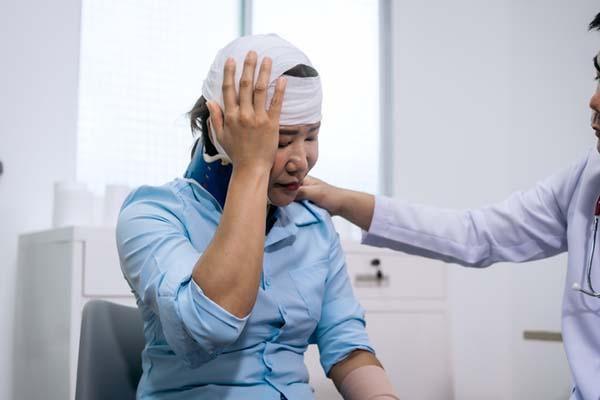
Prompt treatment for head injury may lower your risk of dementia
A 2025 study found that people ages 50 to 90 who received treatment within one week after a moderate or severe traumatic brain injury had a 41% lower risk of developing Alzheimer's disease over the following three years, suggesting that early treatment may be important.
Hip bursitis vs. arthritis: How to tell the difference
Fitness for longevity: Which type matters most?
Ministrokes linked to elevated risk of dementia
Continuous glucose monitors benefit people who don't need insulin
CoQ10: Should you take this popular supplement if you're on a statin?
Microplastics: A hidden health threat?
Oat vs. dairy milk: Nutrition, benefits, and downsides
What is tempeh? Benefits, nutrition, and how to use it
Healing after food poisoning
Whole grains may improve several heart risk factors at once
Free Healthbeat Signup
Get the latest in health news delivered to your inbox!
Sign Up
