

Hip bursitis vs. arthritis: How to tell the difference

Fitness for longevity: Which type matters most?

Ministrokes linked to elevated risk of dementia

Continuous glucose monitors benefit people who don't need insulin

CoQ10: Should you take this popular supplement if you're on a statin?

Microplastics: A hidden health threat?

Oat vs. dairy milk: Nutrition, benefits, and downsides

What is tempeh? Benefits, nutrition, and how to use it

Healing after food poisoning

Whole grains may improve several heart risk factors at once
Brain health Archive
Articles

Try this: Look, snap, and connect for better memory recall
Mnemonics are techniques for recalling information. One type of mnemonic is called "look, snap, connect," which uses visualization, word association, and storytelling to help solidify a memory so people can recall it later.

Hearing aids may reduce cognitive decline
A 2023 study suggests using hearing aids may reduce the risk of cognitive decline, especially in older adults with the highest risk of developing severe cognitive impairment.

Does poor sleep diminish the cognitive benefits of exercise?
In a 2023 study, among people age 50 or 60 who reported high rates of exercise, those who said they slept less than six hours per night had faster rates of cognitive decline over the next 10 years than those who said they got six to eight hours of sleep per night.

"Unsticking" sticky thoughts
It's hard to get rid of sticky thoughts, which play repeatedly in the mind and cause distress. Strategies that can help include going for a walk, staying busy by scheduling activities, limiting worry time to one specific period of each day, and talking to family and friends. If sticky thoughts don't go away after a few weeks, it might be time to talk to a primary care doctor or a therapist. Treatment might involve cognitive behavioral therapy, which helps someone recognize sticky thoughts and redirect them in ways that are less negative and more manageable.

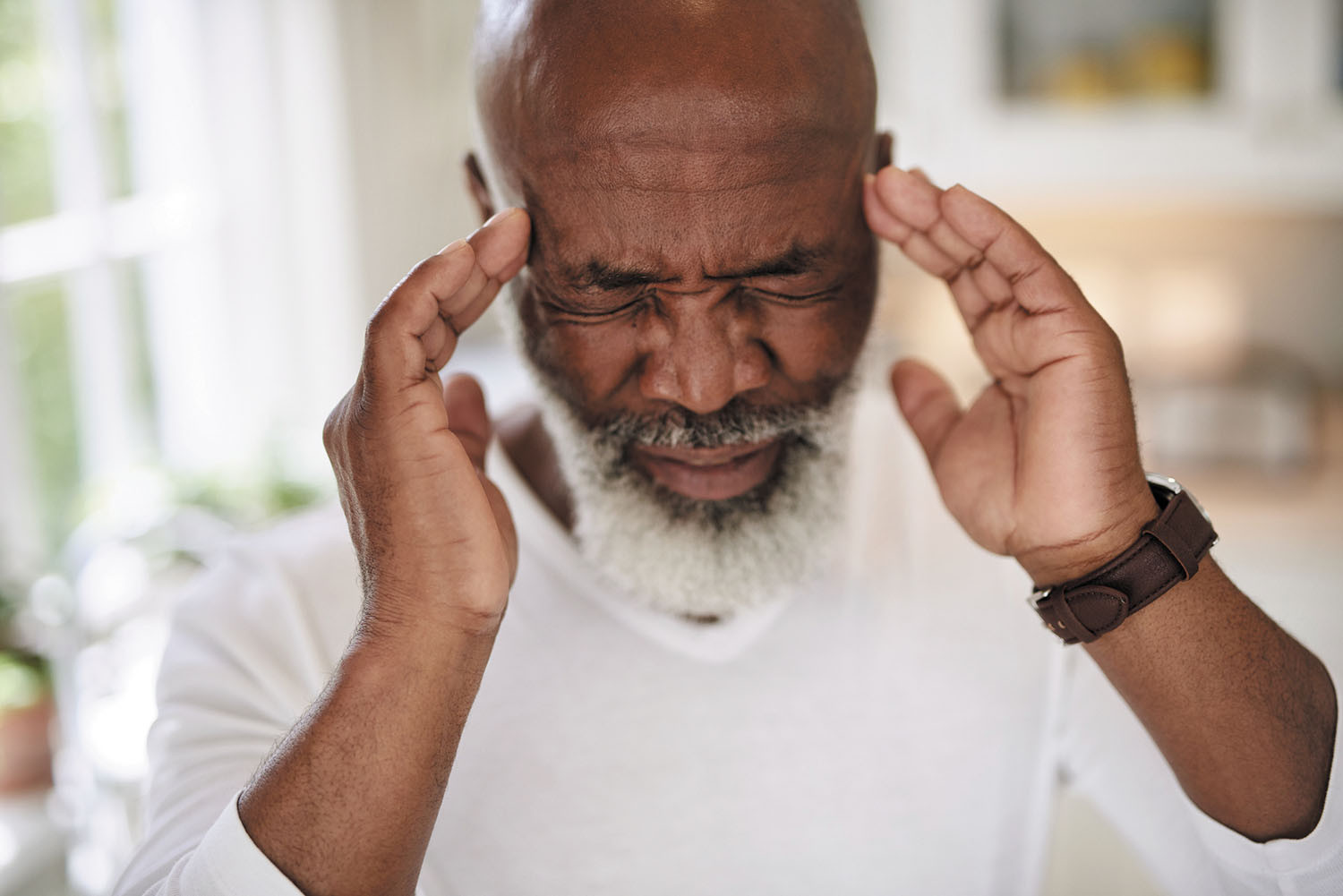

Oh, my aching jaw
There are different underlying reasons for the types of orofacial pain commonly called temporomandibular joint problems, or TMJ. Not all of them are caused by problems with the joint itself, and specialists are getting better at diagnosing them. Orofacial pain may result from a joint problem, a muscle-based problem, a headache syndrome, or a pain processing problem.


Should you worry about prediabetes?
Approximately 88 million Americans—more than one in three—have prediabetes, a condition in which the average amount of sugar in the blood (glucose) is high but not high enough to be diagnosed as diabetes. Among people who develop prediabetes, older ones are less likely than younger ones to eventually develop full-blown diabetes. Still, they should have their glucose levels checked, as prediabetes can put them at high risk for heart attack and stroke.

Get back your social life to boost thinking, memory, and health
Staying socially active is associated with cognitive benefits and may play a role in longevity, stress reduction, and controlling mood. If a person has been out of touch with friends for a long time, one way to restart contact is to send a brief message asking how they're doing or recalling a shared activity. If the person reciprocates, the next step might be to suggest a meeting, ask to get together, or schedule a catch-up phone call or video chat.
Hip bursitis vs. arthritis: How to tell the difference
Fitness for longevity: Which type matters most?
Ministrokes linked to elevated risk of dementia
Continuous glucose monitors benefit people who don't need insulin
CoQ10: Should you take this popular supplement if you're on a statin?
Microplastics: A hidden health threat?
Oat vs. dairy milk: Nutrition, benefits, and downsides
What is tempeh? Benefits, nutrition, and how to use it
Healing after food poisoning
Whole grains may improve several heart risk factors at once
Free Healthbeat Signup
Get the latest in health news delivered to your inbox!
Sign Up
