

Hip bursitis vs. arthritis: How to tell the difference

Fitness for longevity: Which type matters most?

Ministrokes linked to elevated risk of dementia

Continuous glucose monitors benefit people who don't need insulin

CoQ10: Should you take this popular supplement if you're on a statin?

Microplastics: A hidden health threat?

Oat vs. dairy milk: Nutrition, benefits, and downsides

What is tempeh? Benefits, nutrition, and how to use it

Healing after food poisoning

Whole grains may improve several heart risk factors at once
Brain health Archive
Articles
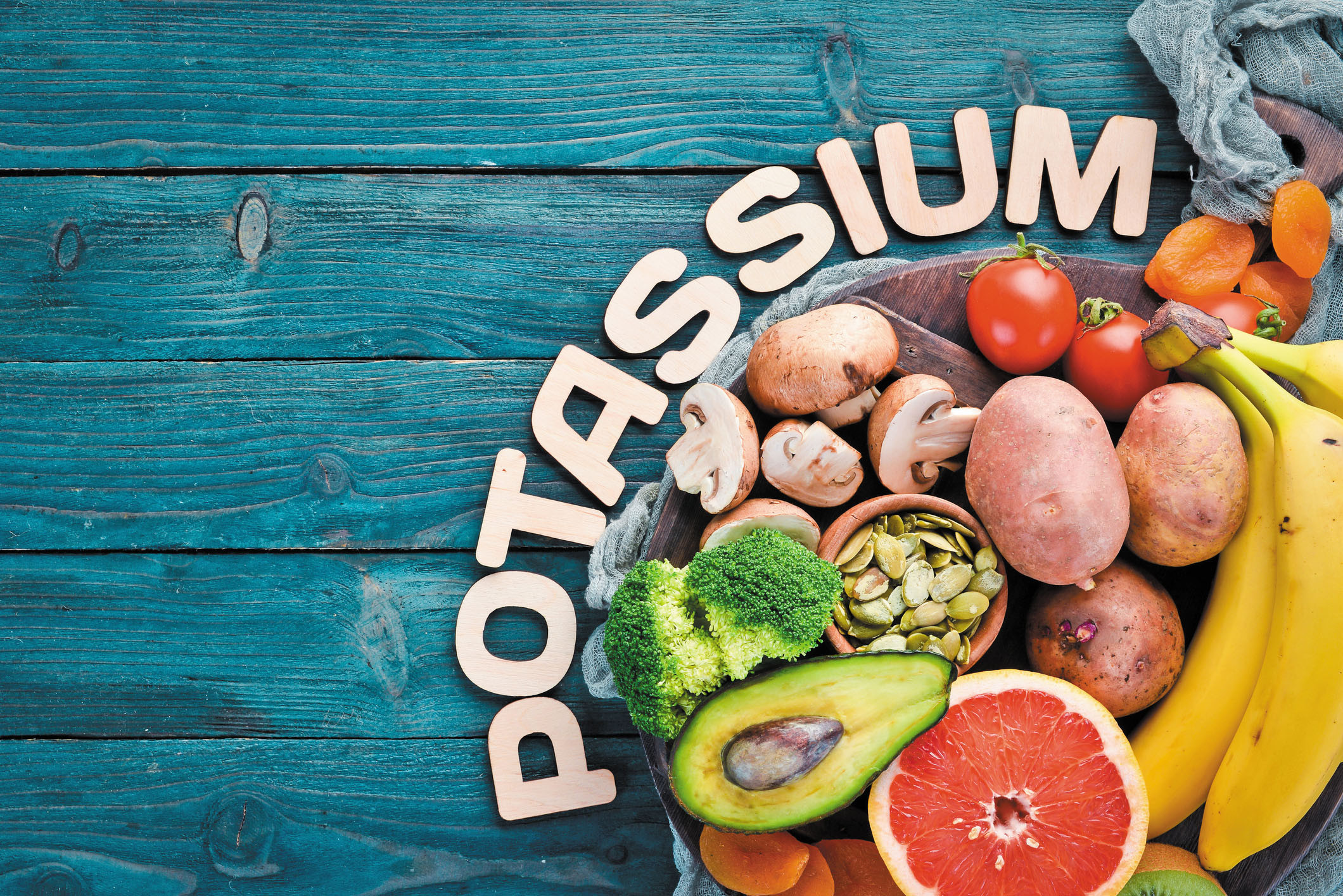
Adding potassium and subtracting sodium may equal better heart health
Consuming less sodium and more potassium may be linked to better heart health, according to a November 2021 study published in the New England Journal of Medicine. After controlling for other risk factors, the researchers found that for every extra 1,000 milligrams (mg) of sodium detected in the urine, there was an 18% increase in the risk of cardiovascular disease. For every extra 1,000 mg of potassium in the urine, there was an 18% decrease in risk.

Can dehydration cause headaches?
Some people are much more prone than others to headaches related to dehydration. People who are more susceptible can avoid the headaches by making sure they drink enough fluids daily.

Concussion care for children and teens: What parents need to know
Concussions are the most common type of traumatic brain injury. It's important to do all that we can to prevent concussions in children and teens –– especially those who play contact sports –– and make sure they get the right treatment when a concussion occurs.

Health disparities and headache treatment

Optimism, heart health, and longevity: Unraveling the link for Black Americans

Can ALS be caused by traumatic brain injury?
Though decades of research have suggested risk factors for amyotrophic lateral sclerosis, a specific cause remains unknown. New research studied professional football players and found that they had a much higher risk of developing ALS than men in the general population, though the study was only observational.

How stimulants may affect your heart
Stimulant medications, which are usually prescribed to treat attention deficit disorder in children, are being prescribed increasingly to older adults. These drugs may cause a short-term spike in the risk of heart-related problems, including heart attacks, strokes, and arrhythmias. Dietary supplements that promise weight loss or better physical or mental performance may contain prohibited, unlisted, and potentially dangerous stimulants.

Drinking both coffee and tea linked to lower risks for stroke and dementia
A study published Nov. 16, 2021, in PLOS Medicine found that drinking two to three cups of coffee as well as two to three cups of tea per day was associated with substantially lower risks for dementia and stroke, compared with drinking no coffee or tea.

Do older adults benefit from blood pressure treatment?
A study published online Aug. 26, 2021, by The Lancet found that blood pressure treatment protects against heart attacks, strokes, and other major cardiovascular disease problems in people up to age 85 and possibly older. For people younger than 75, the study confirmed that people taking blood pressure medicines had 10% to 20% fewer cardiovascular disease problems. For people 75 to 84, there still was a 10% reduction. For people older than 85, the results were mixed, but there still appeared to be a benefit from blood pressure treatment.

Shield your brain from decline
The acronym SHIELD sums up the habits that may help ward off cognitive decline. SHIELD stands for sleeping at least seven hours per night, handling stress, interacting with friends, exercising daily, learning new things, and eating a healthy diet. Ideally, one should incorporate all of these healthy lifestyle habits into each day. If that feels overwhelming, doctors advise focusing on a different healthy habit per day, until it's possible to practice all of the habits every day.
Hip bursitis vs. arthritis: How to tell the difference
Fitness for longevity: Which type matters most?
Ministrokes linked to elevated risk of dementia
Continuous glucose monitors benefit people who don't need insulin
CoQ10: Should you take this popular supplement if you're on a statin?
Microplastics: A hidden health threat?
Oat vs. dairy milk: Nutrition, benefits, and downsides
What is tempeh? Benefits, nutrition, and how to use it
Healing after food poisoning
Whole grains may improve several heart risk factors at once
Free Healthbeat Signup
Get the latest in health news delivered to your inbox!
Sign Up
