

Hip bursitis vs. arthritis: How to tell the difference

Fitness for longevity: Which type matters most?

Ministrokes linked to elevated risk of dementia

Continuous glucose monitors benefit people who don't need insulin

CoQ10: Should you take this popular supplement if you're on a statin?

Microplastics: A hidden health threat?

Oat vs. dairy milk: Nutrition, benefits, and downsides

What is tempeh? Benefits, nutrition, and how to use it

Healing after food poisoning

Whole grains may improve several heart risk factors at once
Brain health Archive
Articles

Forgetful? When to worry about memory changes
If you are noticing problems in yourself or a loved one, here's where to turn for help and support.
Image: © simarik/Getty Images
You're talking with a friend about a movie you saw recently, but can't remember the actor's name. Last week you found yourself upstairs, but couldn't remember what you came up to look for. Your keys are always missing. You worry: are these normal memory lapses or early signs of Alzheimer's disease or another form of dementia?
"Because there has been so much attention paid lately to the aging baby boomer population, I think Alzheimer's disease is getting a lot of attention, which is leading a lot of people to believe they may have the condition," says Dr. Suzanne Salamon, associate chief of the gerontology division at Beth Israel Deaconess Medical Center and assistant professor of medicine at Harvard Medical School.
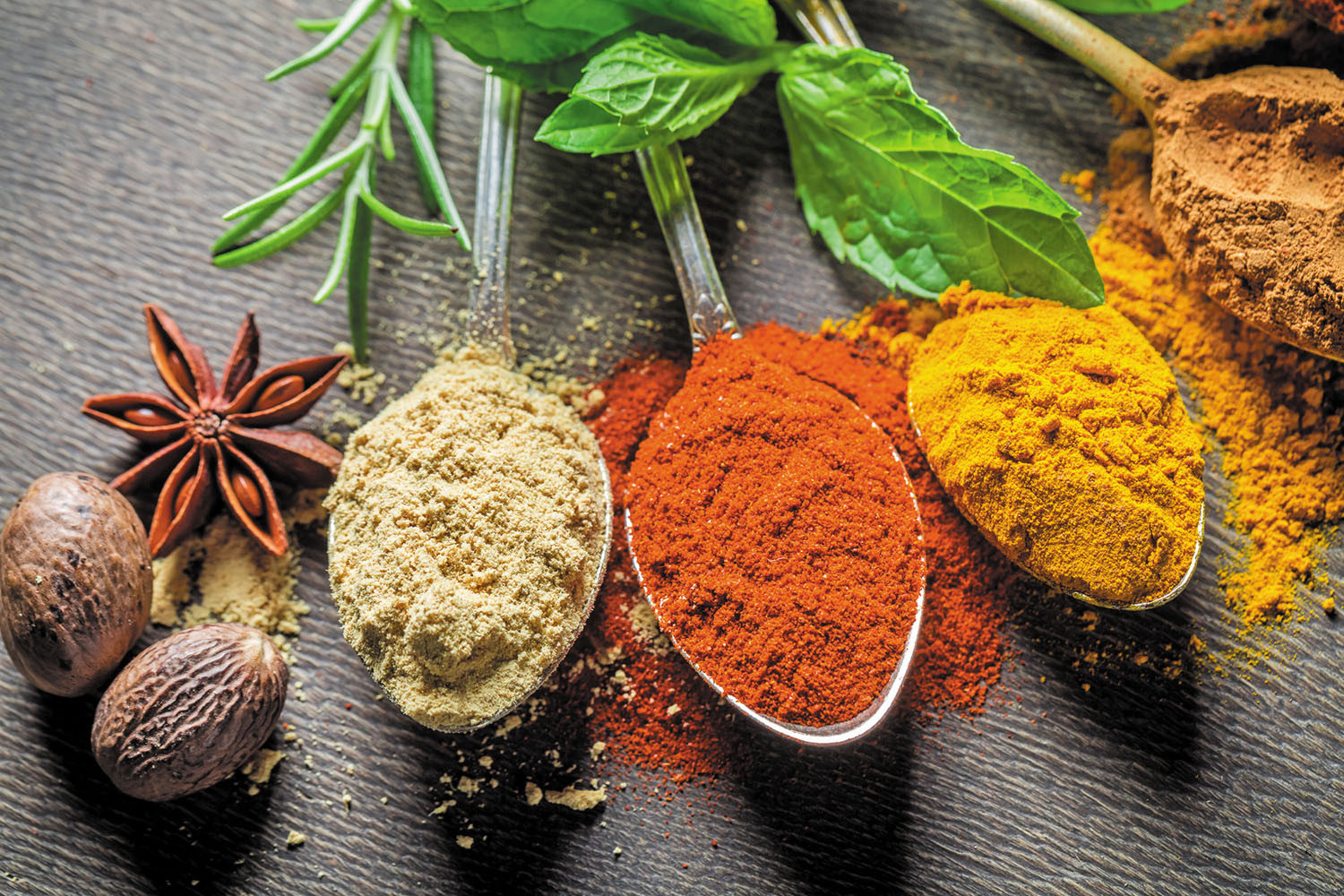
To eat less salt, enjoy the spice of life
Research we're watching
Image: © Shaiith/Thinkstock
Adding a little extra spice to your food may help you eat less salt, according to a study in the December 2017 issue of Hypertension. A salty diet may raise your risk of high blood pressure, leaving you more prone to heart attack and stroke.
For the study, Chinese researchers recruited 606 people and determined their preferences for salty and spicy foods, in part by asking how often they ate foods such as salted fried pork and pickled Chinese cabbage.

Blood flow in squirrel brains offers clues for better stroke treatment
Research we're watching
Scientists are getting some bright ideas on how to protect people from brain damage related to stroke by looking at the brains of hibernating squirrels.
When squirrels hibernate, blood flow to their brain slows dramatically — similar to the reduced blood flow to a human brain that occurs with an ischemic stroke (one caused by a blocked blood vessel in the brain). But unlike the nearly 800,000 people who experience ischemic strokes each year, the hibernating squirrels don't suffer any harmful consequences from this reduction in blood flow to the brain. Scientists say this difference reflects cellular changes in the squirrel brains that protect them from damage. The scientists for the NIH-funded study, who published the results in the Federation of American Societies for Experimental Biology's FASEB Journal, say they have found a potential drug that might mimic this protective hibernation process and could, one day, protect human brains from stroke-related damage.



Stroke: Know when to act, and act quickly
Identifying and treating a stroke as quickly as possible can save brain cells, function, and lives. Everyone should know the warning signs of a stroke and when to get help fast.
The warning signs of a stroke can begin anywhere from a few minutes to days before a stroke actually occurs. The National Stroke Association has devised the FAST checklist to help determine whether a person is having a stroke.

Chronic inflammation in midlife linked to brain decline later
News briefs
You've probably heard about tests to measure chemicals in the blood that indicate chronic inflammation in the body. They are sometimes used to estimate risk for heart disease. But what about using these kinds of biomarkers to gauge your risk for declining brain health? A study published Nov. 1, 2017, in Neurology found that having certain inflammatory markers in midlife was associated with brain shrinkage and poor memory in older age.
Researchers measured five inflammation biomarkers in about 1,600 middle-aged people and gave them brain scans and a memory test about 25 years later. Compared with people with no elevated inflammation markers, people with high levels of three or more biomarkers scored lower on the memory test and had about 5% shrinkage in the hippocampus and other parts of the brain associated with Alzheimer's disease.
Taking clot-prevention drugs for afib may lower risk of dementia
Research we're watching
Among people who have atrial fibrillation (afib), those who take anti-clotting medications may be less likely to develop dementia later in life than those who don't take the drugs, a new study finds.
Afib, a disorder marked by a rapid, irregular heartbeat, raises the risk of stroke as well as dementia. Anti-clotting drugs are known to lower the risk of stroke, but the drugs' effects on dementia weren't clear. So Swedish researchers examined hospital and pharmacy registry data from nearly half a million people who were diagnosed with afib between 2006 and 2014.

Trouble identifying odors may be an early sign of dementia
In the journals
Image: © Purestock/Thinkstock
If you have persistent trouble detecting or identifying odors, that may be an early sign of dementia, according to a study in the Sept. 25, 2017, Journal of the American Geriatrics Society. Almost 3,000 older adults, ages 57 to 85, who did not have dementia were asked to detect and identify five common odors like peppermint, fish, orange, rose, and leather. Five years later, the researchers found that almost half of those who performed poorly on the smell test (were either unable to detect the odors or unable to identify what the smells were) had been diagnosed with dementia. In comparison, 79% of those who scored high on the smell test did not have dementia.
The results only show an association between poor sense of smell and dementia, but the researchers noted that a smell test could be a simple way to identify high-risk people. It isn't clear how sense of smell and dementia may be linked, but the researchers speculated that underlying causes of dementia, like amyloid plaque buildup and tau tangles in the brain, also may affect the olfactory (sense of smell) system.

New ways to manage migraines
Sufferers now have more options than ever to ease the pain or even ward off attacks.
Image: © YakobchukOlena/Thinkstock
If you've ever experienced a migraine, you know it's no ordinary headache. Not only does it cause throbbing pain, typically on one side of your head, but it may also cause vision changes, sensitivity to light, and nausea. It's the type of headache that makes you want to retreat to a dark, quiet room and stay there until it goes away. Recovering from a migraine can take time; the headache can last for hours or days. Migraines affect an estimated 28 million women in the United States, according to the American Migraine Foundation (AMF).
The World Health Organization says that migraine headaches rank in the top 10 of disabling conditions. These headaches result in lost work days, lost productivity, and high health care costs. And of course, they can cause you to miss out on pleasurable activities and time with family.
Hip bursitis vs. arthritis: How to tell the difference
Fitness for longevity: Which type matters most?
Ministrokes linked to elevated risk of dementia
Continuous glucose monitors benefit people who don't need insulin
CoQ10: Should you take this popular supplement if you're on a statin?
Microplastics: A hidden health threat?
Oat vs. dairy milk: Nutrition, benefits, and downsides
What is tempeh? Benefits, nutrition, and how to use it
Healing after food poisoning
Whole grains may improve several heart risk factors at once
Free Healthbeat Signup
Get the latest in health news delivered to your inbox!
Sign Up
