

Hip bursitis vs. arthritis: How to tell the difference

Fitness for longevity: Which type matters most?

Ministrokes linked to elevated risk of dementia

Continuous glucose monitors benefit people who don't need insulin

CoQ10: Should you take this popular supplement if you're on a statin?

Microplastics: A hidden health threat?

Oat vs. dairy milk: Nutrition, benefits, and downsides

What is tempeh? Benefits, nutrition, and how to use it

Healing after food poisoning

Whole grains may improve several heart risk factors at once
Brain health Archive
Articles
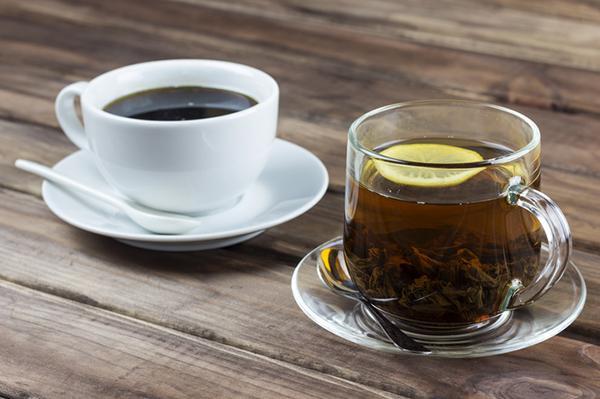
Harvard study: A couple of daily cups of coffee or tea linked to lower dementia risk
A 2026 study found that drinking two to three daily cups of caffeinated coffee, or one to two daily cups of caffeinated tea, was linked to better cognitive health and lower risks of dementia.

Don't buy into brain health supplements
Brain health supplements purport to enhance memory and improve attention and focus. But no robust scientific evidence backs up those claims. The FDA doesn't oversee supplement testing, so manufacturers do not need to prove products are effective.
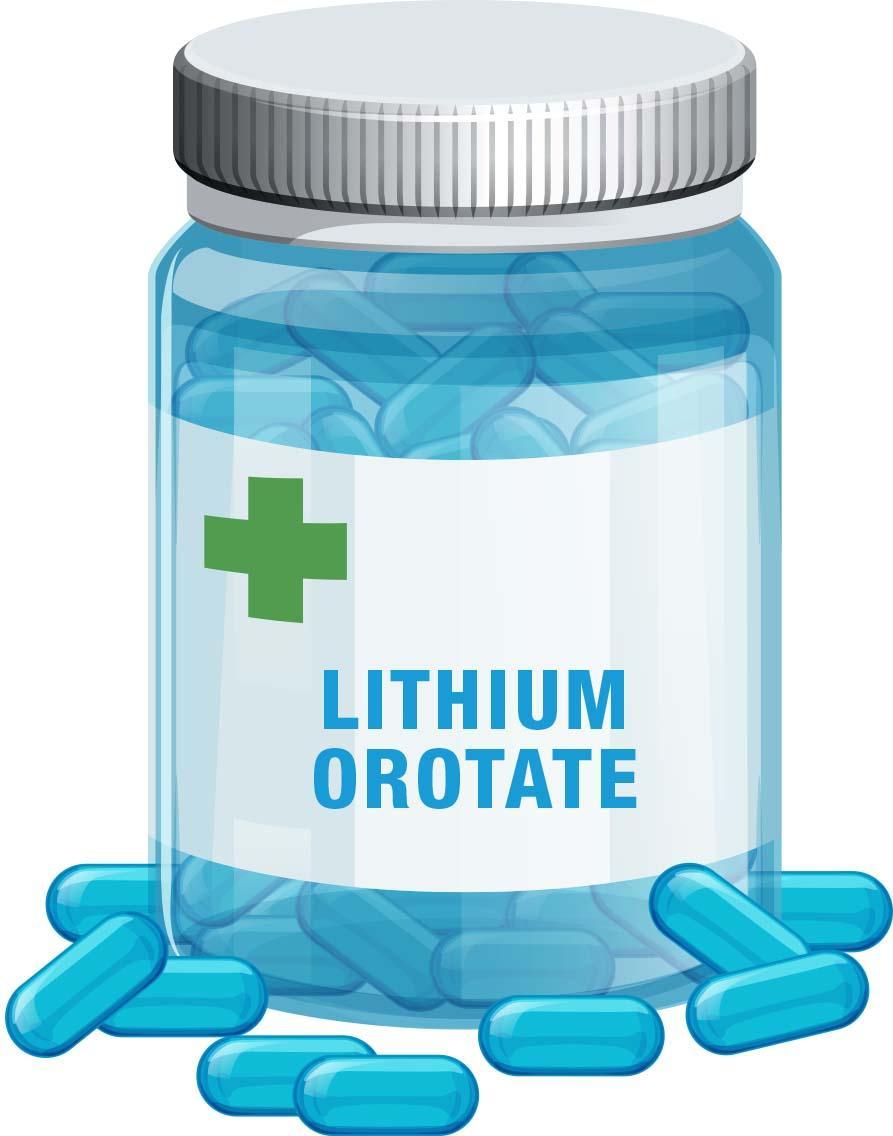
Will lithium supplements be used to fight Alzheimer's one day?
A 2025 study suggests that very low levels of lithium in the brain might be linked to Alzheimer's disease. In mice, certain lithium supplements seemed to protect memory and the brain. But scientists don't yet know if lithium pills are safe or helpful for people.

Cervical dystonia: A challenging neck condition
Cervical dystonia is a movement disorder that causes involuntary, sustained muscle contractions that make the head wobble or rest in abnormal positions. Symptoms can be disruptive, making it hard for people with the condition to drive, dress, or reach for objects.

5 skills teens need in life - and how to encourage them
All parents want their children to be happy and able to successfully navigate life's challenges. Five core skills form a great foundation, and while parents can and should support young children in building these skills, encouraging teens to reinforce and refine their skills is important.

Which foods and drinks are most likely to trigger headaches?
From red wine to ice cream, everyday favorites can spark headaches in some people. Learn how to spot your personal food-related headache triggers.

Can vitamins and natural supplements help prevent frequent headaches?
Some vitamins and supplements show limited benefit for certain types of headache. Good sleep habits, stress reduction, and other lifestyle changes can also help.

How to get rid of a sinus headache
A sinus headache usually stems from irritated, congested sinuses that create pressure and pain around the eyes, nose, or forehead. Relief often comes from easing inflammation and congestion with a mix of home measures and over-the-counter treatments.

New thinking about plaque in arteries that feed the brain
Carotid artery stenosis, which happens when fatty plaque accumulates in neck arteries that supply the brain, leaves people vulnerable to a stroke. Intensive drug therapy may forestall the need for invasive procedures to treat this problem.
Hip bursitis vs. arthritis: How to tell the difference
Fitness for longevity: Which type matters most?
Ministrokes linked to elevated risk of dementia
Continuous glucose monitors benefit people who don't need insulin
CoQ10: Should you take this popular supplement if you're on a statin?
Microplastics: A hidden health threat?
Oat vs. dairy milk: Nutrition, benefits, and downsides
What is tempeh? Benefits, nutrition, and how to use it
Healing after food poisoning
Whole grains may improve several heart risk factors at once
Free Healthbeat Signup
Get the latest in health news delivered to your inbox!
Sign Up
