

Hip bursitis vs. arthritis: How to tell the difference

Fitness for longevity: Which type matters most?

Ministrokes linked to elevated risk of dementia

Continuous glucose monitors benefit people who don't need insulin

CoQ10: Should you take this popular supplement if you're on a statin?

Microplastics: A hidden health threat?

Oat vs. dairy milk: Nutrition, benefits, and downsides

What is tempeh? Benefits, nutrition, and how to use it

Healing after food poisoning

Whole grains may improve several heart risk factors at once
Brain health Archive
Articles

Stroke risk when you have atrial fibrillation
Now we have a better tool to calculate your chance of a brain attack if you've been diagnosed with afib.
Atrial fibrillation (afib) is among the most common heart rhythm irregularities. During a bout of afib, the usually rhythmic contractions of the heart muscle's upper chambers (the atria) are replaced by an ineffectual quiver that does not completely move blood out of the heart chamber. As a result, blood can stagnate and form clots. These clots can then travel to the brain and cause an ischemic stroke.

When the blood supply to the kidneys suffers
The renal arteries, which supply blood to the kidneys, can become narrowed or blocked—a condition known as renal artery stenosis. Image: Thinkstock |
Fatty plaque in the arteries that feed the kidneys poses a danger to the heart and brain.
Harvard study links depression to stroke
Here's another reason to get depression treated as soon as possible: a Harvard study found that people with persistent symptoms of severe depression were twice as likely to suffer a stroke compared with people who have mild symptoms. The study appeared May 13, 2015, in the Journal of the American Heart Association. Researchers looked at the health information of more than 16,000 men and women ages 50 and older. The participants were interviewed every two years during a 12-year period and asked about many health issues, including depression symptoms. Researchers found that people who reported high depression symptoms at two consecutive interviews were more than twice as likely to have a first stroke than people with low depression symptoms. The stroke risk remained high even after depression symptoms went away.
The study showed only an association, and didn't prove that depression causes strokes. So why the link? Researchers speculate that depression—which is associated with high blood pressure, increased inflammation, and physical inactivity—may have a cumulative effect that causes damage to the blood vessels over time. Bottom line: Seek treatment if a case of the blues lasts more than two weeks, because it could be a sign of depression.

How a sleep shortfall can stress your heart
Getting less than six hours of sleep on a regular basis can boost levels of stress hormones, which can strain your cardiovascular system. |
Find out if your sleeping habits put you at risk—and what to do about it.

More people are using aspirin therapy
Daily aspirin use has increased among U.S. adults, according to a survey published May 2015 in the American Journal of Preventive Medicine. The survey asked more than 2,500 people ages 45 to 75 about their current aspirin use. The overall use was 52%, up from 41% in a similar survey in 2004. The most common reasons for taking daily aspirin were prevention of heart attack and stroke. Eighteen percent of aspirin users cited cancer prevention as their reason for taking aspirin. And while most users said they'd talked to their doctor before starting aspirin therapy, 25% of the respondents had not. That finding is troubling, since aspirin is a blood thinner. "Aspirin can increase the risk of bleeding in the brain or elsewhere in the body. This risk might be justified if there is a good reason for aspirin use, but might be entirely unjustifiable if not. That is why I always recommend discussing any medication or supplement use with one's primary care provider," says Dr. Natalia Rost, associate professor of neurology at Harvard Medical School.
Image: Thinkstock

There is something you can do about Alzheimer's disease-join a study
Thousands of volunteers are needed for current Alzheimer's studies. |
Women are at greater risk for dementia. Joining clinical trials can help to speed the development of promising drugs.

Attention caregivers: Making use of helpful services
Being a caregiver for an ailing parent, spouse, child, or other loved one can feel like a lonely undertaking. It needn't, even if you don't have family nearby to pitch in. Help for caregivers is available from various organizations. Once you learn what's available, it may be easier to chart a less-demanding course toward meeting the needs of your spouse, relative, or friend.
Here are some types of services and professionals you might want to investigate.
Pay attention to signs of depression
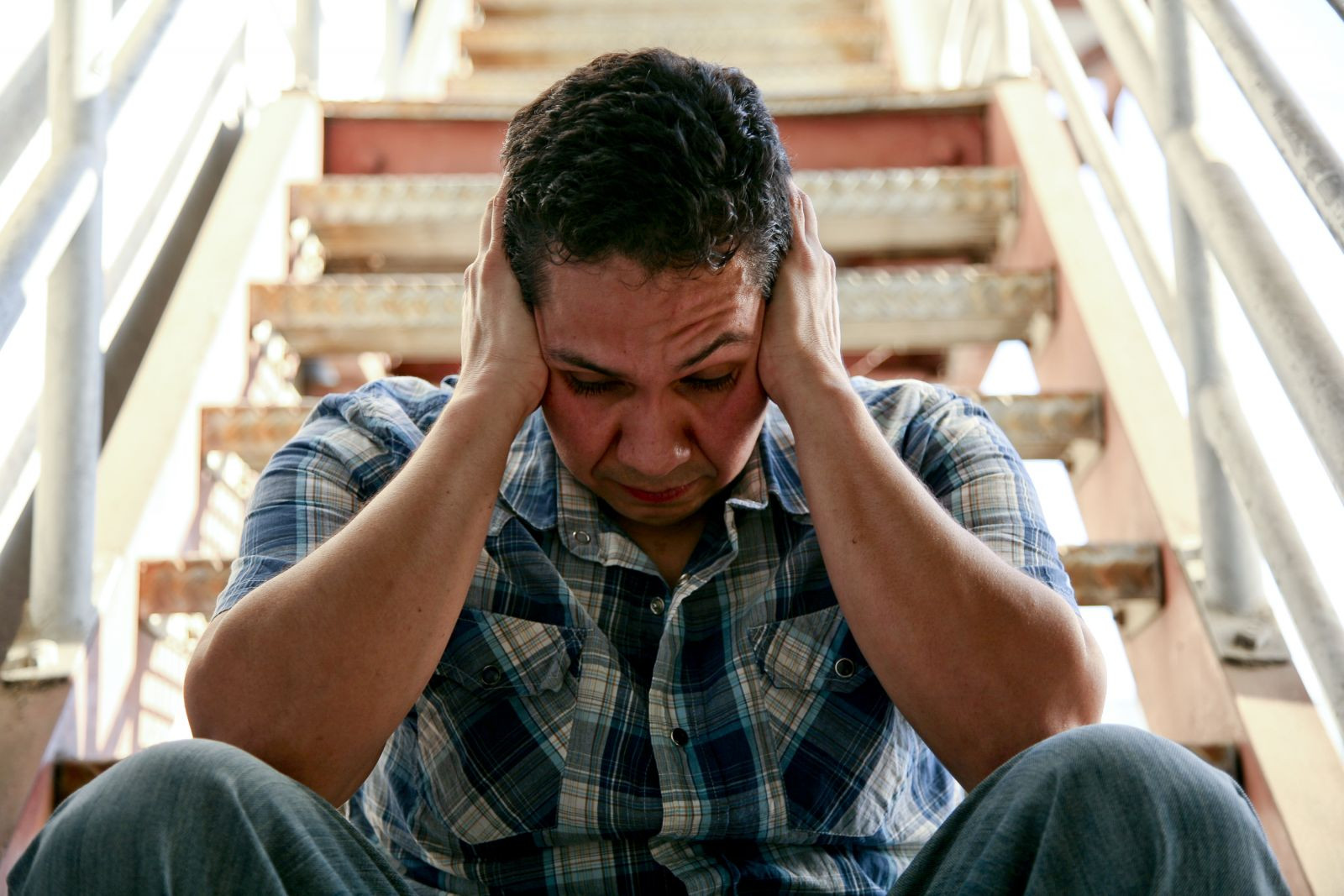
Over time, most people with dementia or mild cognitive impairment (a decline in thinking skills) also experience behavioral changes, such as depression and agitation. Which comes first? A study published online by Neurology on Jan. 14, 2015, suggests that psychological and behavioral changes can begin before people develop mild cognitive impairment or dementia. Researchers evaluated the daily functioning, memory and thinking skills, and psychological and behavioral symptoms of about 2,400 people, ages 50 and older, who had no evidence of cognitive decline. The study also suggests that a pattern of depressive symptoms may occur in older adults, unrelated to cognitive decline. The takeaway? "Depressive symptoms can occur in older adults for many reasons. If you are experiencing mood or cognitive changes that last for more than a few weeks, it's a good idea to bring this up with your doctor or consult a mental health specialist to help sort out possible causes," says Dr. Nancy Donovan, an instructor in psychiatry at Harvard Medical School.

Think FAST to recall the warning signs of a stroke
One in six people worldwide will have a stroke in his or her lifetime. Learn to recognize a "brain attack."
Heart attacks often make themselves known with a hard-to-ignore, obvious symptom like chest pain. That's not the case for strokes, which can cause a wide range of symptoms that may affect your ability to speak, see, move, or feel. A stroke interrupts blood flow to the brain, depriving brain cells of oxygen and nutrients. Prompt treatment can prevent a potentially devastating disability or death—which is why everyone should know the top warning signs of stroke.
Adding folate to blood pressure medication reduces stroke
People with high blood pressure could benefit from a B vitamin known as folate if they are not getting enough from their diets, according to a study in The Journal of the American Medical Association (JAMA).
The study included more than 20,000 adults in China with high blood pressure who had never had a stroke or heart attack. Participants who took folate supplements along with a blood pressure medication had fewer strokes over the four-and-one-half-year trial than those who only took the medication.
Hip bursitis vs. arthritis: How to tell the difference
Fitness for longevity: Which type matters most?
Ministrokes linked to elevated risk of dementia
Continuous glucose monitors benefit people who don't need insulin
CoQ10: Should you take this popular supplement if you're on a statin?
Microplastics: A hidden health threat?
Oat vs. dairy milk: Nutrition, benefits, and downsides
What is tempeh? Benefits, nutrition, and how to use it
Healing after food poisoning
Whole grains may improve several heart risk factors at once
Free Healthbeat Signup
Get the latest in health news delivered to your inbox!
Sign Up
