

Hip bursitis vs. arthritis: How to tell the difference

Fitness for longevity: Which type matters most?

Ministrokes linked to elevated risk of dementia

Continuous glucose monitors benefit people who don't need insulin

CoQ10: Should you take this popular supplement if you're on a statin?

Microplastics: A hidden health threat?

Oat vs. dairy milk: Nutrition, benefits, and downsides

What is tempeh? Benefits, nutrition, and how to use it

Healing after food poisoning

Whole grains may improve several heart risk factors at once
Breast Cancer Archive
Articles

Vitamin D supplements may reduce risk of invasive cancer

Screening for lung cancer
Breast centers out of step with federal mammography recommendations

Is a "normal" blood pressure reading too high for women?

Can the COVID-19 vaccine affect my mammogram?
The COVID-19 vaccine may cause a harmless temporary swelling of lymph nodes that could be mistaken for cancer on a mammogram or other imaging test.

Period equity: What it is and why it matters
Menstruation is a basic fact of human existence, yet millions of people in the US struggle to afford –– or can't afford –– products like tampons and pads, a problem known as period poverty. Menstrual hygiene products are necessities, not luxuries, and period equity addresses this.

Pregnancy problems may predict heart health decades later

Understanding and treating pelvic organ prolapse
This common problem is often ignored or misunderstood.
Roughly half of women over age 50 have pelvic organ prolapse, a condition in which the uterus, bladder, small intestine, or rectum bulges into the vaginal wall or drops down through the vagina. But unlike with other common health conditions, many women don't talk about it — even with their doctors. For some, this may stem from embarrassment, but in other instances, it's because they think it's just something they need to deal with as they age.
"Women will say to me, 'I thought this was normal because I had kids.' But it's not normal. Not everyone who has had a vaginal delivery or is over 65 has urinary incontinence or pelvic organ prolapse," says Dr. Emily Von Bargen, a Harvard Medical School instructor in Obstetrics, Gynecology, and Reproductive Biology. Pelvic organ prolapse is treatable, and it's not something women have to live with, says Von Bargen.
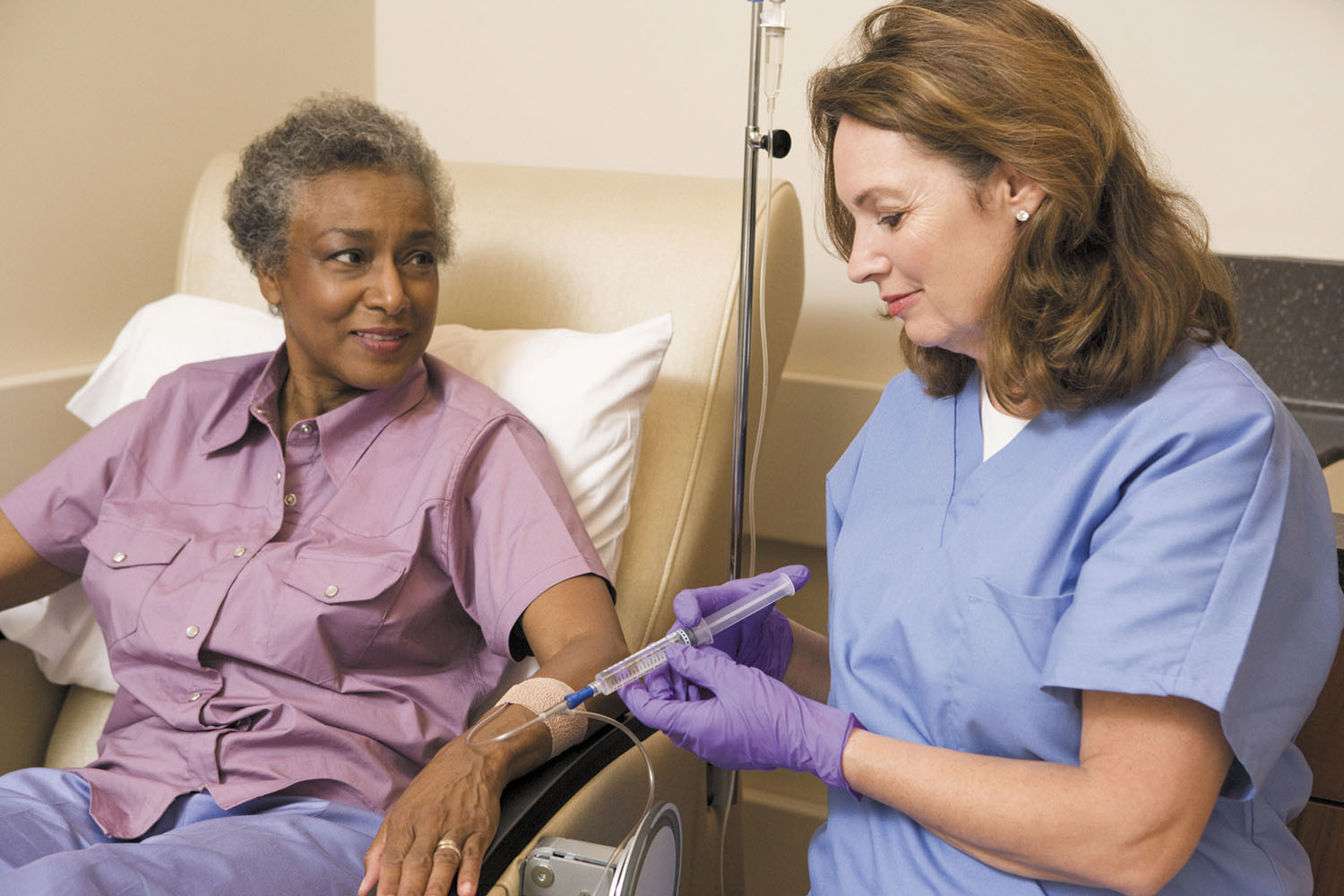
Cancer survivors: A higher risk of heart problems?
If you're among the nearly 17 million adults in this country who's had cancer, pay extra attention to your heart health.
Thanks to advances in early detection and treatment, people with cancer are living far longer than in past decades. But cancer survivors should be aware that cancer and its treatments can compromise cardiovascular health, according to a recent study from the CDC.
Researchers studied more than 840,000 adults, including about 69,000 cancer survivors, to see how much cancer "ages" the heart. They found that adult men treated for cancer had hearts that appeared to be 8.5 years older than their actual age, while the hearts of women who survived cancer appeared to be 6.5 years older.

Harvard finding: Aspirin tied to reduced colorectal cancer risk
News briefs
Regular aspirin use is associated with a reduced risk for developing colorectal cancer in older age — but you won't get the benefit if you start the therapy too late in life, according to a Harvard study published online Jan. 21, 2021, by JAMA Oncology. Researchers combined the results of two large studies involving a total of more than 94,000 people who answered health questionnaires regularly and were followed for three decades. Compared with people who didn't take aspirin, people ages 70 or older who took either 325 milligrams (mg) or 81 mg of aspirin at least twice per week had a 20% lower risk for developing colorectal cancer — but only if they had started the therapy by age 65. Starting aspirin therapy at or after age 70 was not associated with significant protection against colorectal cancer. The study was observational and does not prove whether aspirin can or cannot ward off colorectal cancer. But other observational studies have also shown an association between aspirin use and lower colorectal cancer risk. Like any medicine, aspirin isn't risk-free: regular use increases the risk for gastrointestinal bleeding. If you happen to be taking aspirin regularly for other reasons, this might be an added benefit.
Image: © Jupiterimages/Getty Images
Hip bursitis vs. arthritis: How to tell the difference
Fitness for longevity: Which type matters most?
Ministrokes linked to elevated risk of dementia
Continuous glucose monitors benefit people who don't need insulin
CoQ10: Should you take this popular supplement if you're on a statin?
Microplastics: A hidden health threat?
Oat vs. dairy milk: Nutrition, benefits, and downsides
What is tempeh? Benefits, nutrition, and how to use it
Healing after food poisoning
Whole grains may improve several heart risk factors at once
Free Healthbeat Signup
Get the latest in health news delivered to your inbox!
Sign Up
