

Hip bursitis vs. arthritis: How to tell the difference

Fitness for longevity: Which type matters most?

Ministrokes linked to elevated risk of dementia

Continuous glucose monitors benefit people who don't need insulin

CoQ10: Should you take this popular supplement if you're on a statin?

Microplastics: A hidden health threat?

Oat vs. dairy milk: Nutrition, benefits, and downsides

What is tempeh? Benefits, nutrition, and how to use it

Healing after food poisoning

Whole grains may improve several heart risk factors at once
Breast Cancer Archive
Articles
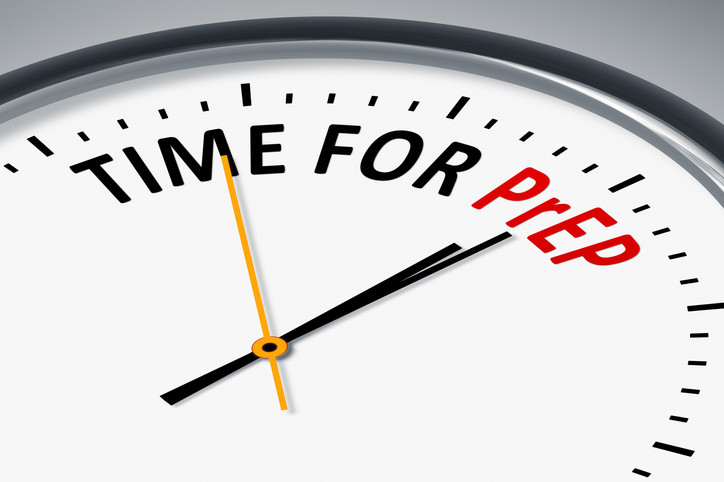
PrEP prevents HIV — so why aren’t more people taking it?
PrEP (pre-exposure prophylaxis) is a daily medication taken to prevent HIV infection. While multiple studies show PrEP is effective, relatively few of those who might benefit are taking it. Will a 10-year initiative to reduce rates of HIV and a new formulation of PrEP help?
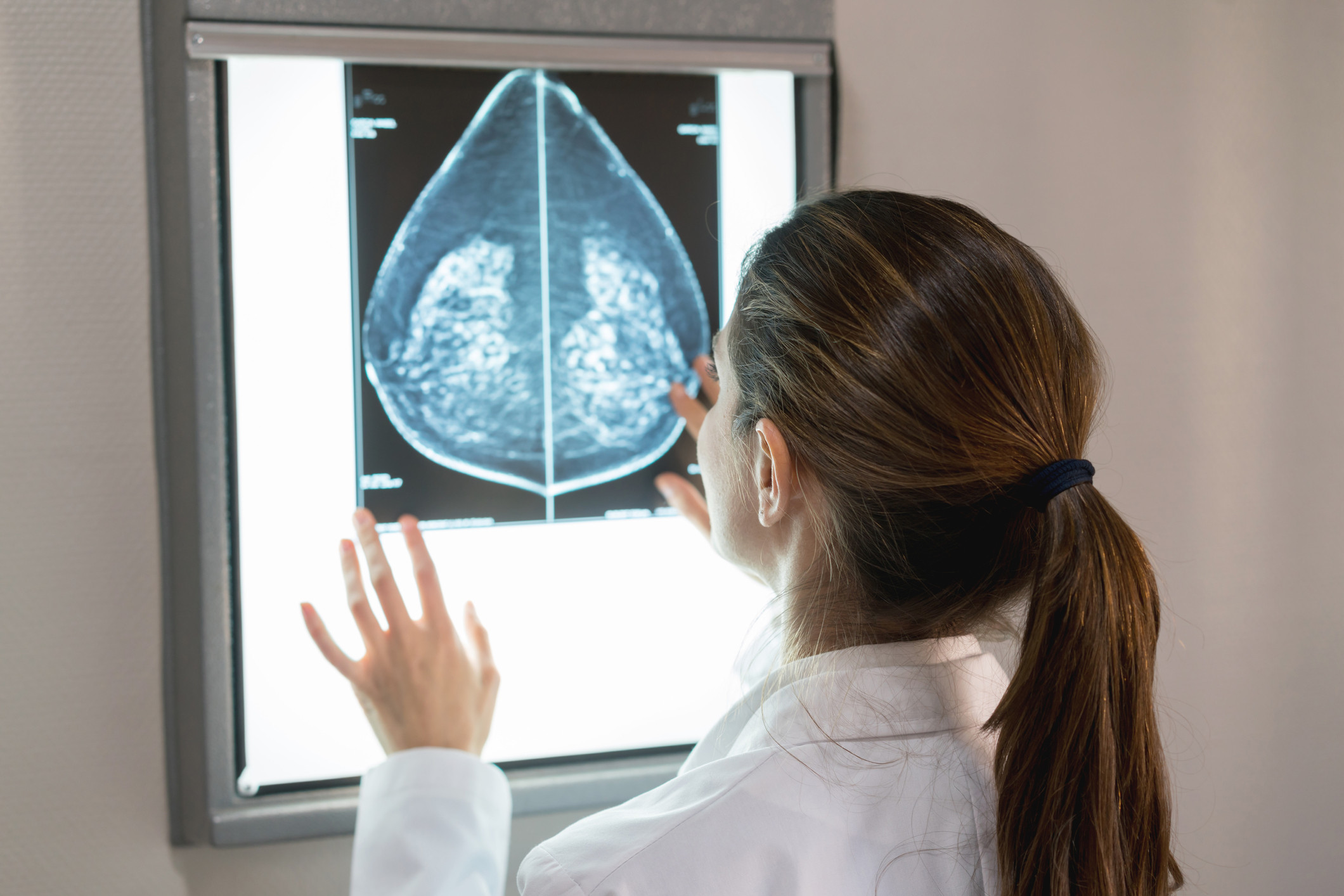
Dense breasts on a mammogram? What to know and do
Mammograms look for signs of breast cancer. They can also provide information on whether a woman has high breast density, which slightly increases risk for developing breast cancer. Here’s what you need to know and do if you’re notified about this risk factor.
When sex gives more pain than pleasure
Dyspareunia is a common problem for many postmenopausal women.
Millions of women experience pain before, during, or after sexual intercourse—a condition called dyspareunia (from the Greek dyspareunos, meaning "badly mated"). This condition not only saps sexual desire and enjoyment, it can also strain relationships and erode quality of life in general. For postmenopausal women, dyspareunia may also raise concerns about aging and body image.
Many women suffer in silence and don't seek the help they need, or they have trouble finding a clinician who can diagnose and treat the causes of their pain. That is unfortunate, because treatments are available for many of the problems that underlie this vexing condition.

Will my endometriosis go away after menopause?
Ask the doctors
Q. I've had endometriosis since I was in my 30s. I'm now approaching menopause. Will my symptoms get better or even go away after menopause?
A. Possibly, but not always. Endometriosis is a condition in which tissue that resembles the tissue that lines the uterus, called endometrial tissue, grows in other locations inside the body. Typically, it grows on structures and organs in the pelvis, such as the ovaries, fallopian tubes, bladder, or bowels. When a woman menstruates, this tissue behaves like the lining of the uterus and bleeds. But because this blood has no way to exit the body, it pools inside. This leads to pain, inflammation, and scarring.
Don't give up on grains
Whole grains contain fiber and nutrients that can help your health.
It's a low-carb world, and many people are pushing grains off their plate in an effort to control their waistline. But they may be doing their body a disservice. Whole grains have some unique properties that make them a valuable addition to the diet. Not only do they contain a host of nutrients, such as iron, B vitamins, copper, zinc, and magnesium, but studies have linked diets rich in whole grains to a lower risk of colon cancer, which is a growing health threat for many younger Americans.
"The main benefit of whole cereal grains, such as wheat, oats, and barley, is in the fiber," says Teresa Fung, adjunct professor in the Department of Nutrition at the Harvard T.H. Chan School of Public Health. "Cereal fiber is different from vegetable fiber or bean fiber."

A new drug for low sexual desire in women: Bremelanotide
The FDA approved a new medication that may help some women experiencing low sexual desire, but there are restrictions on who can take it, and side effects to consider.

Stay ahead of skin cancer
Learn to spot an actinic keratosis before it becomes cancerous.
About 58 million people have at least one actinic keratosis (AK), a precancerous skin growth caused by too much sun exposure.
Yet most people don't see the potential danger in these lesions because they are small, with few if any annoying symptoms, and can go away almost as fast as they appear.

Simple ways to wake up your workout
Avoid boredom and boost the benefits you gain from exercise with these simple tips to wake up your weight or treadmill workout.

Want a sharp mind, strong memory? Ramp up activities
Research shows that older people who are socially engaged and keep their minds active are more likely to remain mentally sharp. But what specific activities should people do? And does it matter if they start late in life or sooner?
Winning the weight battle after menopause
Lifestyle changes may not always be enough to control biologically driven body changes.
You spend hours in the gym every day. You eat nothing but grilled chicken, fish, and salads. Yet the numbers on the scale don't budge — or worse, they slowly creep up, along with your waist measurement.
Welcome to menopause.
"The change" actually does bring changes for many women, including weight gain that can resist even the most diligent efforts to reverse it, says Dr. Fatima Cody Stanford, instructor in medicine at Harvard Medical School.
Hip bursitis vs. arthritis: How to tell the difference
Fitness for longevity: Which type matters most?
Ministrokes linked to elevated risk of dementia
Continuous glucose monitors benefit people who don't need insulin
CoQ10: Should you take this popular supplement if you're on a statin?
Microplastics: A hidden health threat?
Oat vs. dairy milk: Nutrition, benefits, and downsides
What is tempeh? Benefits, nutrition, and how to use it
Healing after food poisoning
Whole grains may improve several heart risk factors at once
Free Healthbeat Signup
Get the latest in health news delivered to your inbox!
Sign Up
