

Hip bursitis vs. arthritis: How to tell the difference

Fitness for longevity: Which type matters most?

Ministrokes linked to elevated risk of dementia

Continuous glucose monitors benefit people who don't need insulin

CoQ10: Should you take this popular supplement if you're on a statin?

Microplastics: A hidden health threat?

Oat vs. dairy milk: Nutrition, benefits, and downsides

What is tempeh? Benefits, nutrition, and how to use it

Healing after food poisoning

Whole grains may improve several heart risk factors at once
Breast Cancer Archive
Articles



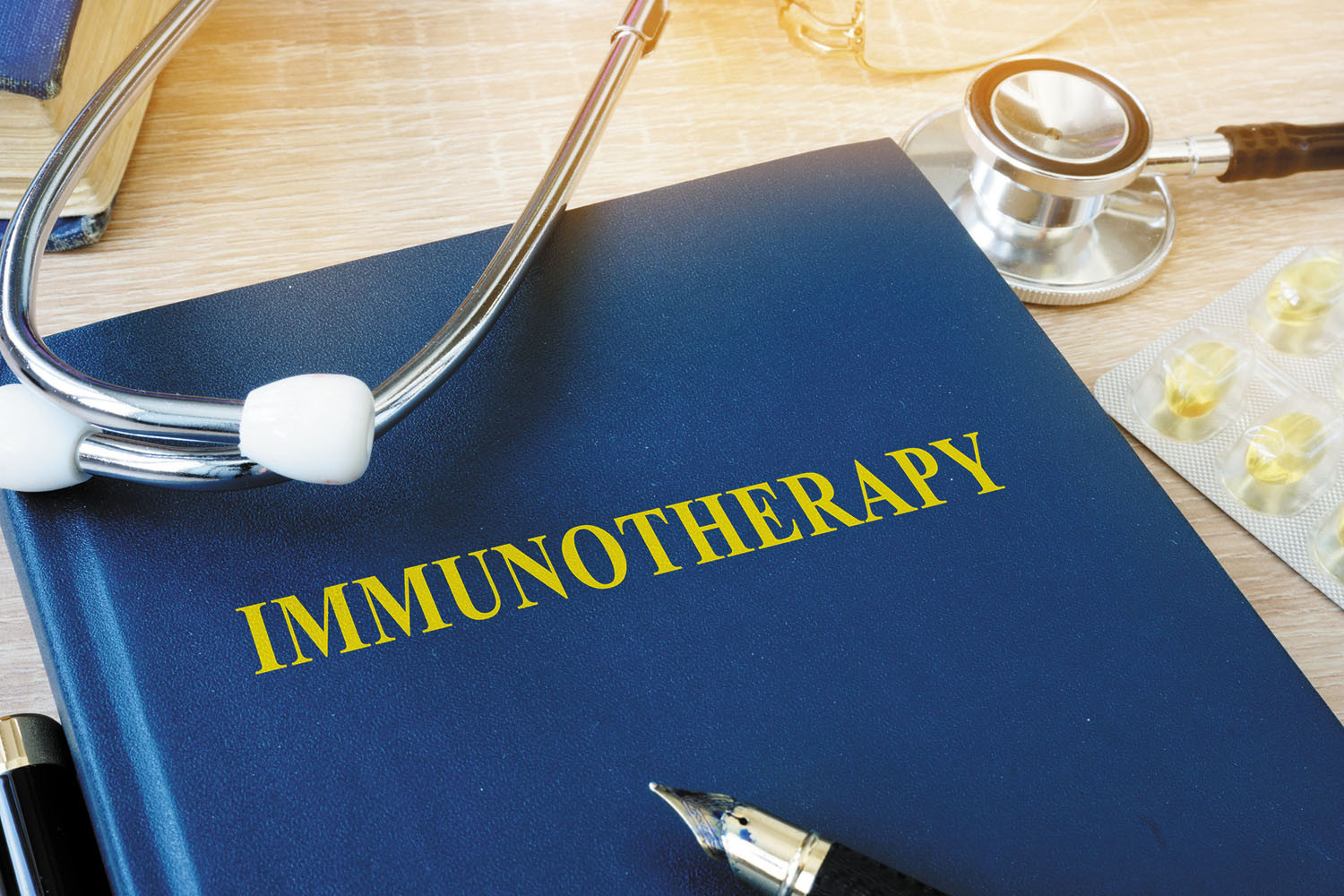
What is immunotherapy?
Ask the doctor
Image: © designer491/Getty Images
Q. A friend has melanoma, and his doctor wants to use a new kind of treatment that boosts the immune system. Can you tell me more?
A. The immune system exists to attack foreign things that enter the body, such as germs. Certain cells of the immune system recognize and attack foreign things. Cancerous cells make chemicals that are not made by normal cells, chemicals the immune system should recognize as foreign. Unfortunately, eight million people around the globe die of cancer each year after their immune systems fail to destroy the cancer. Why do their immune systems fail?
Low-dose aspirin and ovarian cancer risk
Research we're watching
Image: © Robert Kirk/Getty Images
Anti-inflammatory medications may play a role in ovarian cancer risk. A study by researchers at the Harvard T.H. Chan School of Public Health found that taking low-dose aspirin regularly appears to reduce the risk of ovarian cancer by 23%. However, long-term heavy use of ibuprofen (Advil), naproxen (Aleve), and other nonsteroidal anti-inflammatory drugs (NSAIDs) seems to increase risk.
The study, published online October 4 by JAMA Oncology, looked at data on more than 200,000 women who participated in the Nurses' Health Study and Nurses' Health Study II. Among the group studied, 1,054 women went on to develop ovarian cancer. Researchers then looked at what type of medications the women took on a regular basis. They found that women who took at least 10 doses of NSAIDs a week for multiple years had an increased risk of ovarian cancer. Women who took low-dose aspirin regularly seemed to have a reduced risk — but the same was not true among women who took a standard-dose aspirin.

Is my urinary difficulty a normal part of aging?
Ask the doctors
Image: © Stratol/Getty Images
Q. Sometimes I urinate normally, but often I have to wait for the stream to start, or it takes much longer to finish. It may even stop and start, so I have to sit on the toilet much longer than in the past. I do feel that I empty my bladder, but it takes a while. Is this normal?
A. Urinary problems after menopause are common and may be related to age-related hormonal shifts or may have a separate medical cause. For this reason, it's always best to visit your doctor to discuss the problem. Difficulty starting or maintaining a stream of urine may be caused by many factors, including a blockage, an infection, certain medications, or a nerve problem that's affecting your brain's ability to get signals to the bladder, among others. Your doctor will likely recommend tests to search for the underlying cause and to customize your treatment.
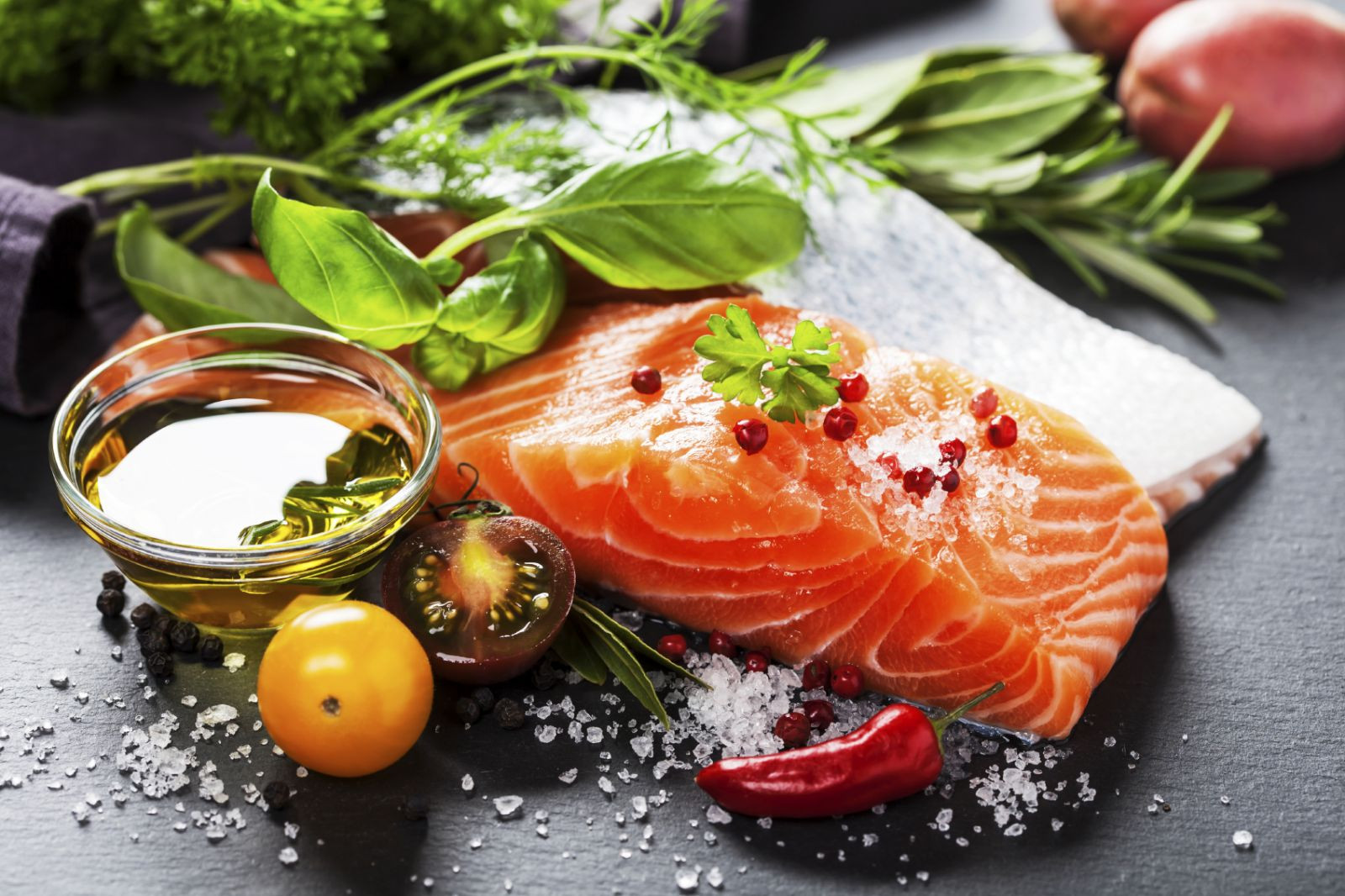
Mediterranean diet reduces stroke risk, particularly among women
Image: Bigstock
Research we're watching
Eating a Mediterranean-style diet, which is rich in fruits and vegetables, lean meats, and nuts, may help women over 40 reduce the risk of stroke, according to a study published in the journal Stroke.
The study enrolled more than 20,000 adults, ages 40 to 77, who were asked to record what they ate in a seven-day diet diary. Researchers then compared their diet and their stroke risk over a 17-year period.



Hip bursitis vs. arthritis: How to tell the difference
Fitness for longevity: Which type matters most?
Ministrokes linked to elevated risk of dementia
Continuous glucose monitors benefit people who don't need insulin
CoQ10: Should you take this popular supplement if you're on a statin?
Microplastics: A hidden health threat?
Oat vs. dairy milk: Nutrition, benefits, and downsides
What is tempeh? Benefits, nutrition, and how to use it
Healing after food poisoning
Whole grains may improve several heart risk factors at once
Free Healthbeat Signup
Get the latest in health news delivered to your inbox!
Sign Up
