

Hip bursitis vs. arthritis: How to tell the difference

Fitness for longevity: Which type matters most?

Ministrokes linked to elevated risk of dementia

Continuous glucose monitors benefit people who don't need insulin

CoQ10: Should you take this popular supplement if you're on a statin?

Microplastics: A hidden health threat?

Oat vs. dairy milk: Nutrition, benefits, and downsides

What is tempeh? Benefits, nutrition, and how to use it

Healing after food poisoning

Whole grains may improve several heart risk factors at once
Cancer prevention Archive
Articles
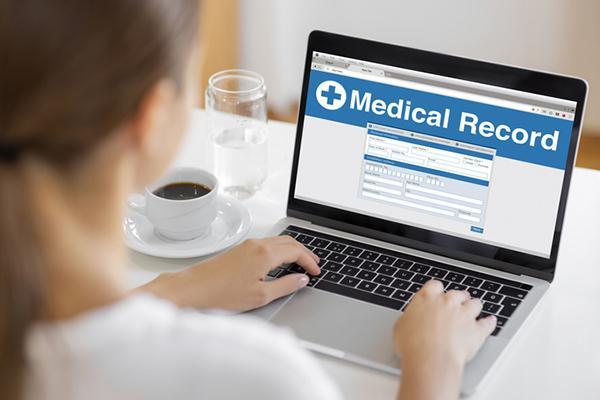
Navigating your online patient portal: Best practices
Online patient portals enable people to see their medical records, communicate with their doctors, and more. This improved access has advantages along some with potential pitfalls, which can be avoided.

Tips for adjusting to bifocals and other specialty lenses
Adjusting to bifocals, trifocals, or progressive lenses can be challenging. Unlike traditional glasses, these versions include two or more vision zones. Because people use different parts of the lens for different tasks, objects can seem slightly distorted when they move their eyes.
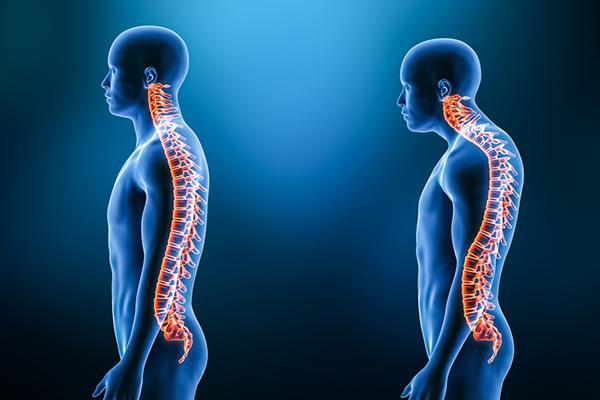
Can you prevent the hunched back of kyphosis?
Osteoporosis, age-related disc degeneration, and poor posture can cause or worsen a curved upper spine (hyperkyphosis). Maintaining bone health and strengthening the muscles responsible for good posture can help to slow the development of a curved spine.
What might be causing my anemia?
An anemia diagnosis can cause concern. Doctors can trace possible causes through clues that provide information about iron levels, hidden blood loss, nutrition, and bone marrow.

What lifestyle changes can help lower cancer risk?
Simple daily habits can shape your cancer risk. See which changes in weight, diet, exercise, and alcohol use may offer real protection.
Can frequent blood donation cause iron deficiency anemia?
Regular blood donations can sometimes lead to low iron levels and anemia. Learn why it happens, who's at risk, and when to pause giving blood.

How can I prevent spring allergies?
Last year's spring allergies were miserable. Learn when to begin antihistamines and nasal sprays so symptoms are blunted before pollen peaks.
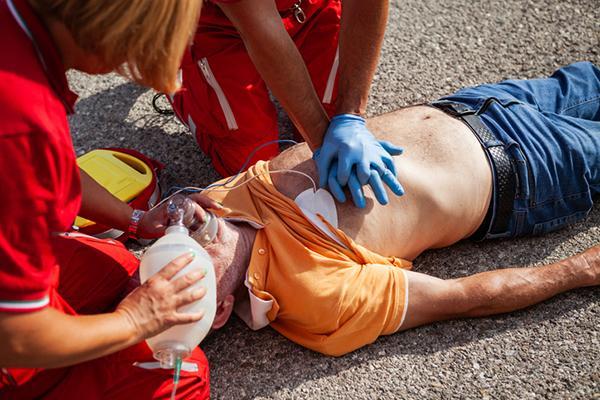
CPR on TV may be misleading
Television portrayals of hands-only cardiopulmonary resuscitation (CPR) aren't always accurate, according to a 2026 analysis. Inaccurate depictions involved the age of CPR recipients, how CPR was done and the location of where it was performed.

Emojis in electronic health records could be confusing
Although rare, emojis are now beginning to appear in electronic medical records sent to patients. People who are unsure about the meaning of any such messages should ask for clarification.

Remedies for motion sickness: What works?
Motion sickness is tricky to treat. Gadgets such as wristbands and special glasses may help, but their reported benefits may be due to the placebo effect. Several drugs, including a new one that curbs vomiting, are available.
Hip bursitis vs. arthritis: How to tell the difference
Fitness for longevity: Which type matters most?
Ministrokes linked to elevated risk of dementia
Continuous glucose monitors benefit people who don't need insulin
CoQ10: Should you take this popular supplement if you're on a statin?
Microplastics: A hidden health threat?
Oat vs. dairy milk: Nutrition, benefits, and downsides
What is tempeh? Benefits, nutrition, and how to use it
Healing after food poisoning
Whole grains may improve several heart risk factors at once
Free Healthbeat Signup
Get the latest in health news delivered to your inbox!
Sign Up
