

Hip bursitis vs. arthritis: How to tell the difference

Fitness for longevity: Which type matters most?

Ministrokes linked to elevated risk of dementia

Continuous glucose monitors benefit people who don't need insulin

CoQ10: Should you take this popular supplement if you're on a statin?

Microplastics: A hidden health threat?

Oat vs. dairy milk: Nutrition, benefits, and downsides

What is tempeh? Benefits, nutrition, and how to use it

Healing after food poisoning

Whole grains may improve several heart risk factors at once
Cancer Archive
Articles

Exercise boosts colon cancer survival
In a 2025 study of about 900 people treated for colon cancer (followed for an average of eight years), people who took part in a supervised exercise program for three years had about 30% better odds of surviving, compared with people who weren't in the program.

Second-guessing symptoms
While many health symptoms resolve quickly on their own, others linger and make people wonder if they need to see a doctor. Symptoms that warrant a doctor's visit include drawn-out cold symptoms such as fatigue, cough, and low-grade fever; a fever lasting more than four days; unexpected symptoms when starting a new medication or after surgery; certain digestive problems; and new or worsening mental health issues.

Is it really GERD?
In gastroesophageal reflux disease (GERD), stomach acid washes backward into the esophagus. This can cause symptoms such as heartburn, an acidic or metallic taste in the mouth, hoarse voice, chest pain, dry cough, post-nasal drip, or trouble swallowing. Symptoms can overlap with those of several other conditions. These include hiatal hernia, functional dyspepsia, eosinophilic esophagitis, esophageal spasms, or heart attack. Distinguishing GERD from other conditions may involve various tests, including an endoscopy to view the esophagus lining.

Letting the air out of bloating
The digestion process slows as one ages, causing digested food to take its time moving along the gastrointestinal tract from the stomach through the intestines. The longer food stays in the digestive tract, the more opportunity there is for gas to be produced and build up, resulting in bloating. Recurrent bloating also can be caused by people's reactions to certain foods, especially those that contain sugars called FODMAPs. Adjusting one's diet to avoid trigger foods and taking over-the-counter remedies can help prevent and manage problem bloating.
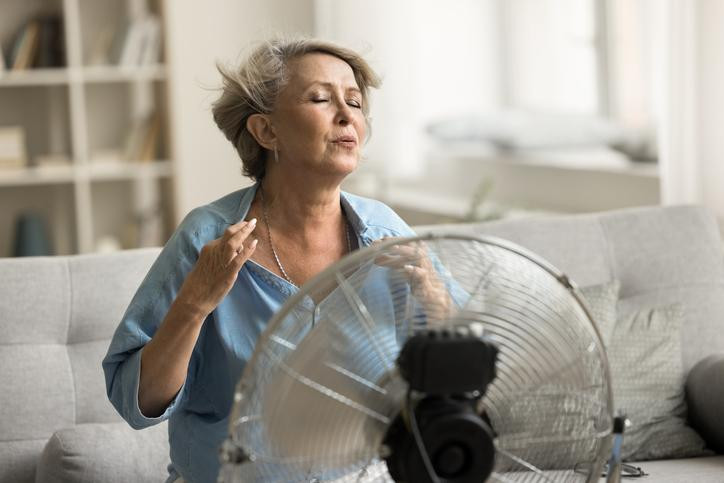
Extreme heat endangers older adults: What to know and do
The surge in heat waves and extreme heat poses serious health risks for everyone but is a particular worry for older adults. What can you do to manage heat-related risks, especially if you have existing health conditions or take certain medications?

Do you know about these summer breathing hazards?
In the summertime, one of the chief contributors to symptom flares of lung problems is hot air, especially if it's also humid, stagnant, or very dry. Such weather might narrow the airways, making it much harder to breathe normally. This might occur because hot air irritates the nerves, widens blood vessels near the lungs, or causes people to breathe faster. To avoid breathing difficulty, doctors advise people with lung disease to follow strategies such as keeping their inhalers handy and staying in air-conditioned spaces.

Physical activity of any intensity tied to lower cancer risk
In a 2025 study of more than 85,000 people (average age 63), followed for six years, those who were the most active-even if they were simply doing light-intensity activities-had a 26% lower risk for cancer, compared with those who were least active.

Wildfires: How to cope when smoke affects air quality and health
Wildfire smoke contributes greatly to poor air quality, and as wildfires become more frequent due to climate change and drier conditions, more of us and more of our communities are at risk for health harms. Here are ways to cope.

A simpler FODMAP diet for irritable bowel syndrome
A small randomized controlled trial published in February 2025 suggests that eliminating oligosaccharides from the diet might be enough to ease symptoms of irritable bowel syndrome, as opposed to eliminating all the categories of food known as FODMAPs.

Prepare now for your health needs in the future
If possible, everyone should prepare for the possibility of needing support services or long-term care in older age, even if it's not yet needed. Ways to prepare include designating a health care proxy and power of attorney; writing advance directives for health care preferences; investigating potential housing options (such as assisted living facilities) and support services (such as a health aide) well in advance; downsizing belongings, including one's home; and meeting with a financial planner to figure out how to tackle caregiving expenses.
Hip bursitis vs. arthritis: How to tell the difference
Fitness for longevity: Which type matters most?
Ministrokes linked to elevated risk of dementia
Continuous glucose monitors benefit people who don't need insulin
CoQ10: Should you take this popular supplement if you're on a statin?
Microplastics: A hidden health threat?
Oat vs. dairy milk: Nutrition, benefits, and downsides
What is tempeh? Benefits, nutrition, and how to use it
Healing after food poisoning
Whole grains may improve several heart risk factors at once
Free Healthbeat Signup
Get the latest in health news delivered to your inbox!
Sign Up
