

Hip bursitis vs. arthritis: How to tell the difference

Fitness for longevity: Which type matters most?

Ministrokes linked to elevated risk of dementia

Continuous glucose monitors benefit people who don't need insulin

CoQ10: Should you take this popular supplement if you're on a statin?

Microplastics: A hidden health threat?

Oat vs. dairy milk: Nutrition, benefits, and downsides

What is tempeh? Benefits, nutrition, and how to use it

Healing after food poisoning

Whole grains may improve several heart risk factors at once
Cancer Archive
Articles
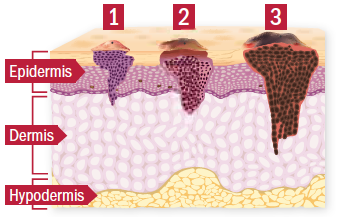
Save your skin from cancer
Rates of the two most common skin cancers have more than doubled over the past decade. Here's how to protect yourself.
When it comes to skin cancer, there's good news and bad news. First, the bad news. A report published in the June 2017 Mayo Clinic Proceedings found that cases of basal cell carcinoma (BCC) and squamous cell carcinoma (SCC) skin cancers have risen 263% and 145%, respectively, over the past decade.
The good news? BCC and SCC are rarely life-threatening and they're usually easy to treat if they're caught early. Plus, there are simple ways to prevent them.

Is coffee harmful to my health?
Ask the doctors
Q. I recently read about the decision by the state of California to require cancer warnings on coffee. I drink a cup a day. Should I be concerned?
A. The recent decision by a California judge to require cancer warning labels on coffee stemmed from concerns about a specific substance found in coffee, acrylamide, which is a chemical that is produced when coffee is roasted. Coffee isn't the only food or beverage that contains acrylamide. Acrylamide is produced during the high-temperature cooking process used for numerous common foods, including cookies, crackers, and potato chips, according to the American Cancer Society (ACS). But before you panic, while there definitely is acrylamide in coffee, scientists have yet to conclusively prove that this chemical causes cancer, according to the ACS. Most of the research on humans hasn't found any increased risk of cancer in people who eat foods containing acrylamide. Other studies looking at specific types of cancers have produced mixed results but found no conclusive links, according to the ACS. In addition, there is evidence that drinking coffee can bring some health benefits, such as reductions in the risks for stroke and liver disease. A 2015 study in Circulation also found that moderate coffee drinkers (defined as those having less than five cups a day) had lower risks for heart disease and neurological disease, according to the American Heart Association. So, the final message is this: if you are healthy and drink coffee moderately, there is no evidence that it's going to raise your risk of developing cancer.

Drinking alcohol may increase levels of harmful mouth bacteria
Research we're watching
There's a lot of buzz these days about how gut bacteria affect your health, but those might not be the only body microbes that matter. The population of bacteria in your mouth may also play a role in your risk of various diseases. And researchers recently found that alcohol consumption could influence your oral bacteria.
A study published online April 23 by Microbiome found that people who had one or more alcoholic drinks a day had more harmful bacteria in their mouths than nondrinkers. The researchers found types of bacteria that have been linked to gum disease, cancer, and heart disease.
How can I treat stubborn hiccups?
Ask the doctor
Image: © colorcocktail/Getty Images
Q. Home remedies aren't stopping my hiccups. Is there something my doctor can prescribe to help?
A. In the May 2018 issue, I answered a question about hiccups, saying they are common but typically short-lived, and that simple home remedies often can end them. However, I ran out of space to say something about treatments for the very unusual cases of hiccups that don't respond to simple treatments.
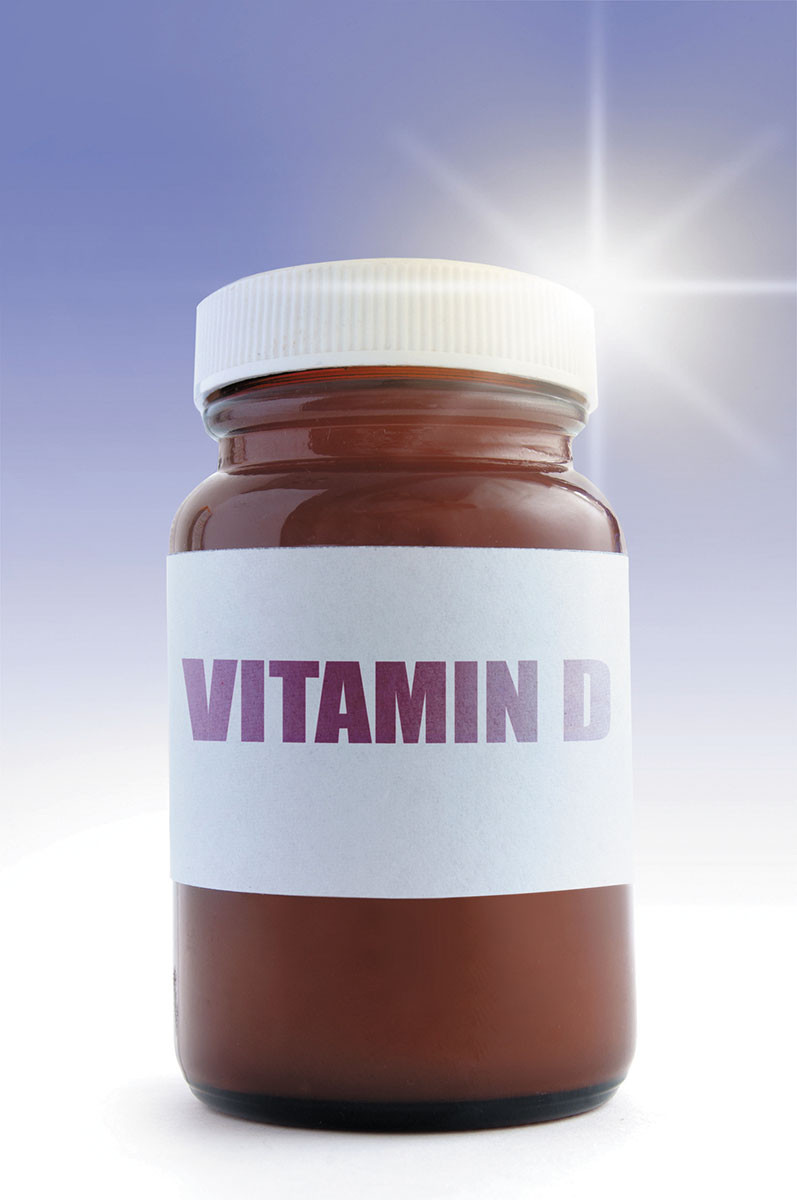
Enough vitamin D may protect against some cancers
In the journals
Having a low blood level of vitamin D may be linked to a higher risk of developing some cancers, suggests a study published online March 7, 2018, by The BMJ. However, taking extra vitamin D to raise already normal levels does not appear to offer more protection.
Vitamin D is made by the skin from sunlight exposure and can also be obtained through fortified foods like cereal and milk, as well as from supplements. Researchers analyzed data from the Japan Public Health Center–based Prospective Study, involving 33,736 people ages 40 to 69. The people gave blood samples and were classed into four groups, ranging from the lowest to highest levels of vitamin D. They were then monitored for an average of 16 years, during which time 3,301 new cases of cancer were recorded among the participants.

Eating highly processed foods may raise cancer risk
News briefs
Prepackaged, processed foods are typically high in fat, salt, and sugar. If that's not enough to make you put down a cookie or resist a frozen dinner, consider an observational study published online Feb. 14, 2018, by The BMJ. It analyzed dietary questionnaire answers of 105,000 middle-aged men and women in France for five years. Foods were grouped according to degree of processing — that is, the amount of change the ingredients go through as food makers improve flavor, coloring, and shelf life. For example, dehydrated soups, baked goods, sugary cereals, processed meats, biscuits, and sauces were considered ultra-processed foods. Less processed foods included canned vegetables, cheeses, and freshly made unpackaged bread. Every 10% increase in consumption of ultra-processed foods was associated with a 12% higher risk for cancer in general and an 11% increased risk for breast cancer. No significant link was found to prostate or colorectal cancer. The study doesn't prove that ultra-processed foods cause cancer, but researchers say the cumulative effects of food additives remain largely unknown.
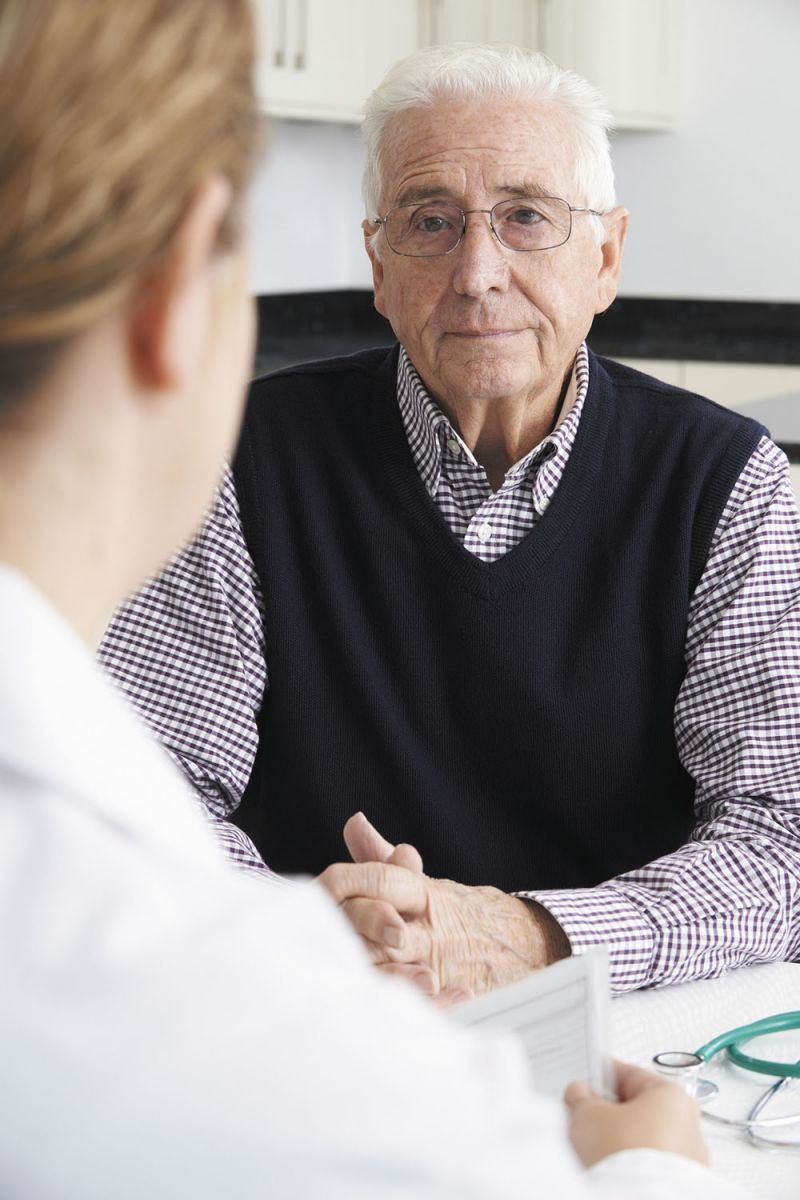
Dealing with a cancer diagnosis
Sometimes the emotional part of cancer is the toughest test.
Any kind of cancer diagnosis is life-changing. There suddenly are many decisions to make about treatments, possible surgery, and recovery. It can be a lot to deal with. But one part of the cancer process that often gets pushed aside is the psychological aspect — how do you manage the many emotions that come with it?
"The natural response to hearing 'cancer' is to feel a surge of anxiety and negative thoughts like 'I'm going to die,'" says Dr. John Peteet, head of the psychosocial oncology fellowship at the Harvard-affiliated Dana-Farber Cancer Institute. "Yet many men are reluctant to admit this and keep their feelings inside, so it's tough to know when they need help with this part of a cancer diagnosis."
Hip bursitis vs. arthritis: How to tell the difference
Fitness for longevity: Which type matters most?
Ministrokes linked to elevated risk of dementia
Continuous glucose monitors benefit people who don't need insulin
CoQ10: Should you take this popular supplement if you're on a statin?
Microplastics: A hidden health threat?
Oat vs. dairy milk: Nutrition, benefits, and downsides
What is tempeh? Benefits, nutrition, and how to use it
Healing after food poisoning
Whole grains may improve several heart risk factors at once
Free Healthbeat Signup
Get the latest in health news delivered to your inbox!
Sign Up
