

Hip bursitis vs. arthritis: How to tell the difference

Fitness for longevity: Which type matters most?

Ministrokes linked to elevated risk of dementia

Continuous glucose monitors benefit people who don't need insulin

CoQ10: Should you take this popular supplement if you're on a statin?

Microplastics: A hidden health threat?

Oat vs. dairy milk: Nutrition, benefits, and downsides

What is tempeh? Benefits, nutrition, and how to use it

Healing after food poisoning

Whole grains may improve several heart risk factors at once
Cancer Archive
Articles

Benefits of moderate sun exposure
Dr. Robert S. Stern, chair of the Department of Dermatology at Harvard-affiliated Beth Israel Deaconess Medical Center , calls them "solar-phobes": people so concerned about getting skin cancer that they stay inside or cover every bit of skin. "They cover up like they were going out into the Arabian Desert ," he says. The marketing of ultrablocking sunscreens and special sun-protective clothing plays into these fears.
There's no getting around the fact that sunlight is hard on your skin. Age gets blamed for wrinkles and rough, dry skin. But the real culprit is a combination of age and sun that dermatologists call photoaging. The short UVB wavelengths that cause sunburn can also damage DNA and suppress the skin's immune system. The longer, more penetrating UVA wavelengths may create highly reactive oxygen molecules capable of damaging skin cell membranes and the DNA inside.
Electroacupuncture may ease hot flashes, aid sleep in breast cancer survivors
Electroacupuncture may be an effective alternative to medication for relieving hot flashes causing sleep disturbances in postmenopausal women.

The family history of cancer
If cancer runs in your family, there is much you can do to recognize your potential risk and catch the disease before it strikes.
Image: filipefrazao/Thinkstock
You may remember stories of your father's military service and your mother's hometown, but how much do you know about your family's medical history? In particular, do you know whether anyone on your mom or dad's side ever had cancer?
"Family history can be one of the first lines of defense in preventing cancer," says Dr. Huma Q. Rana, clinical director of the Center for Cancer Genetics and Prevention at Harvard-affiliated Dana-Farber Cancer Institute.

Don’t tolerate food intolerance
Here's what to do when certain foods disagree with you.
Image: ChesiireCat/Thinkstock
You probably remember an occasion when you ate something that did not agree with you. But if your stomach issues have become severe and frequent, you might have a food intolerance.
"Food intolerances puzzle many older men, since foods they long enjoyed suddenly give them problems," says Evagelia Georgakilas, a registered dietitian and nutritionist with Harvard-affiliated Beth Israel Deaconess Medical Center. "They might tough it out and suffer in silence, but by identifying the problem foods, making adjustments in portion sizes, and switching out certain foods as needed, they can avoid painful and recurring digestive issues."
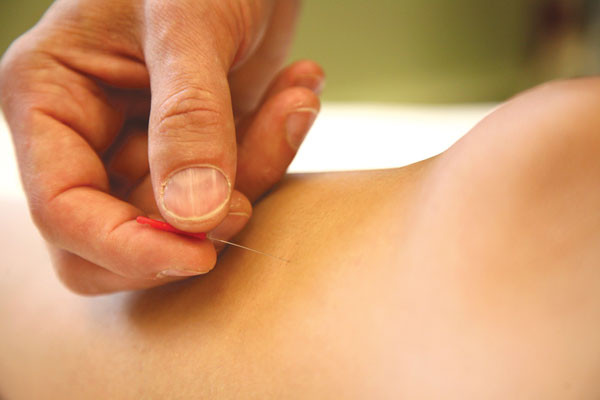
Modern acupuncture linked to constipation relief
It appears that electroacupuncture may be a treatment option for people with chronic severe functional constipation.

Immediate radiation when PSA levels spike after prostate cancer surgery helps reduce risk of recurrence
After prostate cancer surgery, the patient’s prostate-specific antigen (PSA) is monitored by his doctor via a simple blood test. New research indicates that if the PSA increases following surgery, immediate radiation therapy can reduce the risk of cancer recurrence.



Treatment versus monitoring of prostate cancer: Survival rates the same after 10 years
Two new studies add to the evidence that for many men with prostate cancer, if it is detected early and has not metastasized beyond the prostate gland, monitoring the cancer will lead to the same chance of survival after 10 as choosing surgery or radiation. Men treated with surgery or radiation often experience significant side effects. The rates of depression and anxiety were the same in men who opted for monitoring and those who opted for treatment.
Hip bursitis vs. arthritis: How to tell the difference
Fitness for longevity: Which type matters most?
Ministrokes linked to elevated risk of dementia
Continuous glucose monitors benefit people who don't need insulin
CoQ10: Should you take this popular supplement if you're on a statin?
Microplastics: A hidden health threat?
Oat vs. dairy milk: Nutrition, benefits, and downsides
What is tempeh? Benefits, nutrition, and how to use it
Healing after food poisoning
Whole grains may improve several heart risk factors at once
Free Healthbeat Signup
Get the latest in health news delivered to your inbox!
Sign Up
