

Hip bursitis vs. arthritis: How to tell the difference

Fitness for longevity: Which type matters most?

Ministrokes linked to elevated risk of dementia

Continuous glucose monitors benefit people who don't need insulin

CoQ10: Should you take this popular supplement if you're on a statin?

Microplastics: A hidden health threat?

Oat vs. dairy milk: Nutrition, benefits, and downsides

What is tempeh? Benefits, nutrition, and how to use it

Healing after food poisoning

Whole grains may improve several heart risk factors at once
Cancer Archive
Articles

Study suggests scant increased risk of breast cancer from alcohol intake
Research we're watching
A study published Oct. 15, 2015, in the International Journal of Cancer adds to evidence that the risk of breast cancer increases—but not very much—with every drink a woman takes. Researchers from five Spanish universities followed 334,850 women, ages 35 to 70, from 10 European countries. During an 11-year period, 11,576 were diagnosed with breast cancer.
When the researchers compared alcohol intake among women who developed breast cancer and those who didn't, they found women who averaged two drinks a day had a 4% higher risk than those who limited their consumption to one daily drink. Those who averaged three drinks a day had a 6% higher breast cancer risk.
Which mammogram guidelines should I follow?
Ask the doctor
Q. I'm a 48-year-old woman, and I've never had a mammogram. Different guidelines seem to say different things. What do you recommend?
A. You're right, there are several different guidelines. Probably the two most often consulted by doctors are those of the U.S. Preventive Services Task Force (USPSTF) and the American Cancer Society (ACS). Recent changes by the ACS bring its recommendations nearer to those of USPSTF. They disagree slightly about you. ACS says you should have a mammogram (because you are over 45), but USPSTF says to begin at age 50. Both expert committees stress that these recommendations apply only to women who are not at extra risk of breast cancer (extra risk includes, for example, having a parent, sibling, or child who's had breast cancer). If a woman is at extra risk, she should start getting mammograms earlier.
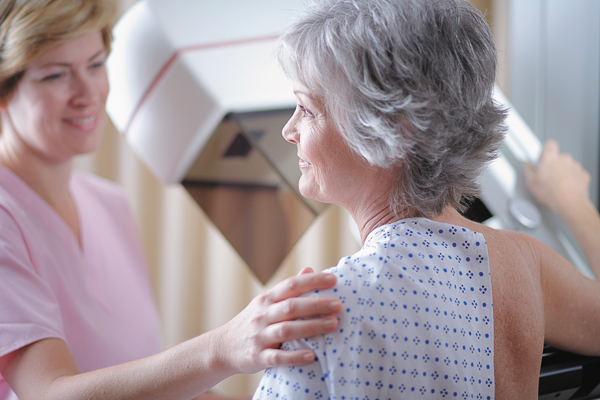
Changes to mammogram screening recommendations
Image: Thinkstock
News briefs
The guidelines for routine breast cancer screenings are changing again. The American Cancer Society (ACS) published its new recommendations Oct. 20, 2015, in The Journal of the American Medical Association, suggesting that women at average risk for breast cancer now wait until age 45 to begin getting yearly mammograms (it had been age 40) and then get yearly mammograms until age 54. After that, the ACS now recommends that average-risk women ages 55 to 74 transition to screening every other year (instead of annually). It's a big shift for the ACS, and the recommendations are now more in line with the guidelines that came from the U.S. Preventive Services Task Force (USPSTF) in 2009, which recommended mammograms every two years for average-risk women ages 50 to 74 and advise against routine screening before age 50 in these women. The USPSTF guidelines have been controversial since they came out. But no one is saying that women at increased risk for breast cancer should wait to get a mammogram; it's a decision that must be made by a woman and her doctor, based on her risk factors. One other big change to the ACS guidelines: that women continue screening mammography only if they have a life expectancy of 10 years or longer.

Heartburn medications and the heart
| Image: ThinkStock |
Ask the doctor
Q. I've read news reports that the heartburn drug I take may cause heart attacks. Should I worry about this?
A. Several studies have reported an association between proton-pump inhibitors (PPIs) and heart attacks. PPIs are medications for heartburn, such as omeprazole (Prilosec) and pantoprazole (Protonix). Overall, however, the evidence suggests these medications are not risky for your heart.

Vasectomy and prostate cancer
Image: iStock
Ask the Doctor
Q. I had a vasectomy many years ago, at age 45. I recently read that this increases my risk of prostate cancer. Should I be concerned?
A. Despite the reports you've heard about the connection between vasectomy and prostate cancer, the evidence is weak for a cause-and-effect relationship. Right now, this hypothetical risk should not cause you undue concern.
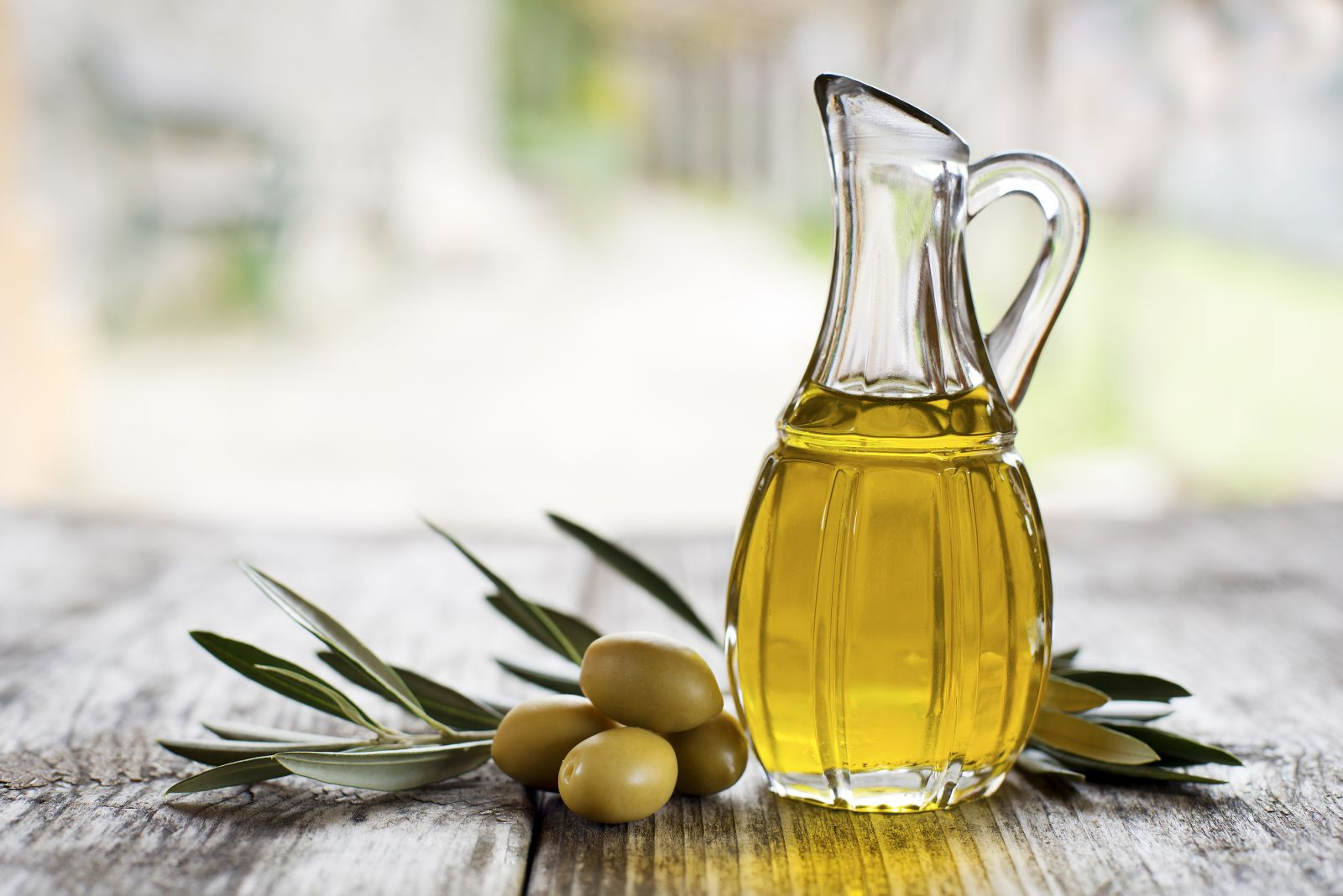
High olive oil consumption linked to lower breast cancer risk
Image: Bigstock
Research we're watching
A preliminary study published Sept. 14, 2015, in JAMA Internal Medicine reported that older women in Spain who ate a traditional Mediterranean diet enhanced with extra-virgin olive oil were less likely to be diagnosed with breast cancer. The study was part of a large Spanish clinical trial, Prevención con Dieta Mediterránea (PREDIMED).
PREDIMED looked at three different groups of women. One followed the Mediterranean diet plus extra servings of olive oil. A second followed the diet plus extra servings of nuts. Those in the third group were ad-vised to reduce their fat intake. The study followed about 4,300 women ages 60 to 80 for five years.
Active surveillance is safe for low-risk prostate cancers
A new study confirms that active surveillance is a safe and reasonable alternative to immediate treatment for prostate cancer. In recently published study that followed 1,300 men, the prostate cancer survival rate after 10-15 years of active surveillance, was 99%. For some men, a strong discomfort with “living with cancer” may steer them away from postponing treatment in favor of careful monitoring.
Ask the doctor: Do I need gallbladder surgery?
Q. I've been having abdominal pain that may be due to gallstones. Is surgery the best solution, or are there other things I can try first?
A. The first thing to determine is whether your abdominal pain is in fact due to gallstones. They typically cause pain on the upper right side or in the center of the abdomen just below the breastbone that radiates to the back or right shoulder. The pain is often brought on by eating—especially fatty foods—or may occur at night. Sometimes gallstone pain is accompanied by sweating, bloating, nausea, or vomiting.
Hip bursitis vs. arthritis: How to tell the difference
Fitness for longevity: Which type matters most?
Ministrokes linked to elevated risk of dementia
Continuous glucose monitors benefit people who don't need insulin
CoQ10: Should you take this popular supplement if you're on a statin?
Microplastics: A hidden health threat?
Oat vs. dairy milk: Nutrition, benefits, and downsides
What is tempeh? Benefits, nutrition, and how to use it
Healing after food poisoning
Whole grains may improve several heart risk factors at once
Free Healthbeat Signup
Get the latest in health news delivered to your inbox!
Sign Up
