

Hip bursitis vs. arthritis: How to tell the difference

Fitness for longevity: Which type matters most?

Ministrokes linked to elevated risk of dementia

Continuous glucose monitors benefit people who don't need insulin

CoQ10: Should you take this popular supplement if you're on a statin?

Microplastics: A hidden health threat?

Oat vs. dairy milk: Nutrition, benefits, and downsides

What is tempeh? Benefits, nutrition, and how to use it

Healing after food poisoning

Whole grains may improve several heart risk factors at once
Caregiving Archive
Articles
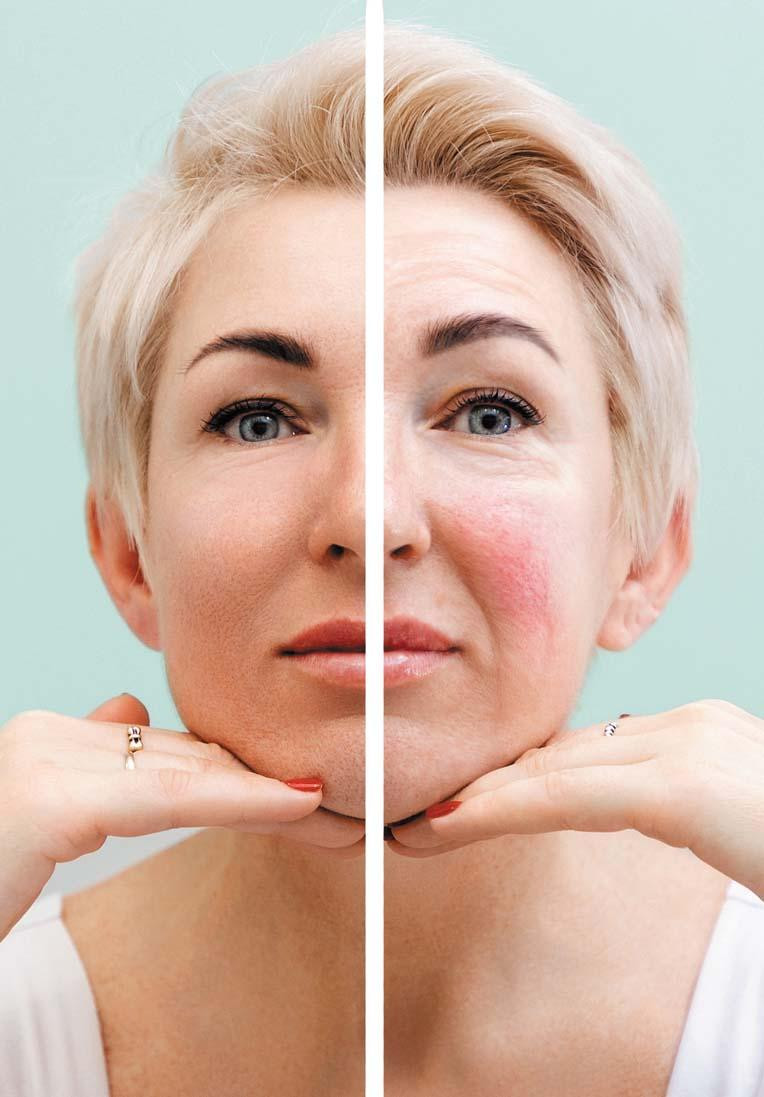
Is this common skin problem overlooked?
A 2025 Finnish study found that rosacea often goes undiagnosed in people ages 70 or older. Researchers say this might be due to busy physicians with limited awareness of rosacea or patients' own embarrassment or unwillingness to seek treatment.

The incontinence tool kit
Several tools can help people with incontinence stay dry and comfortable. Tools can include medications; basic supplies, such as protection pads, leakproof underwear, adaptive clothing, and portable urinals; bedwetting alarms; and bathroom locator apps. Some of the most important tools aren't pills or gadgets, but strategies-such as controlling underlying conditions that can lead to incontinence (such as diabetes), weight loss, lifestyle or behavioral changes, and pelvic floor training.
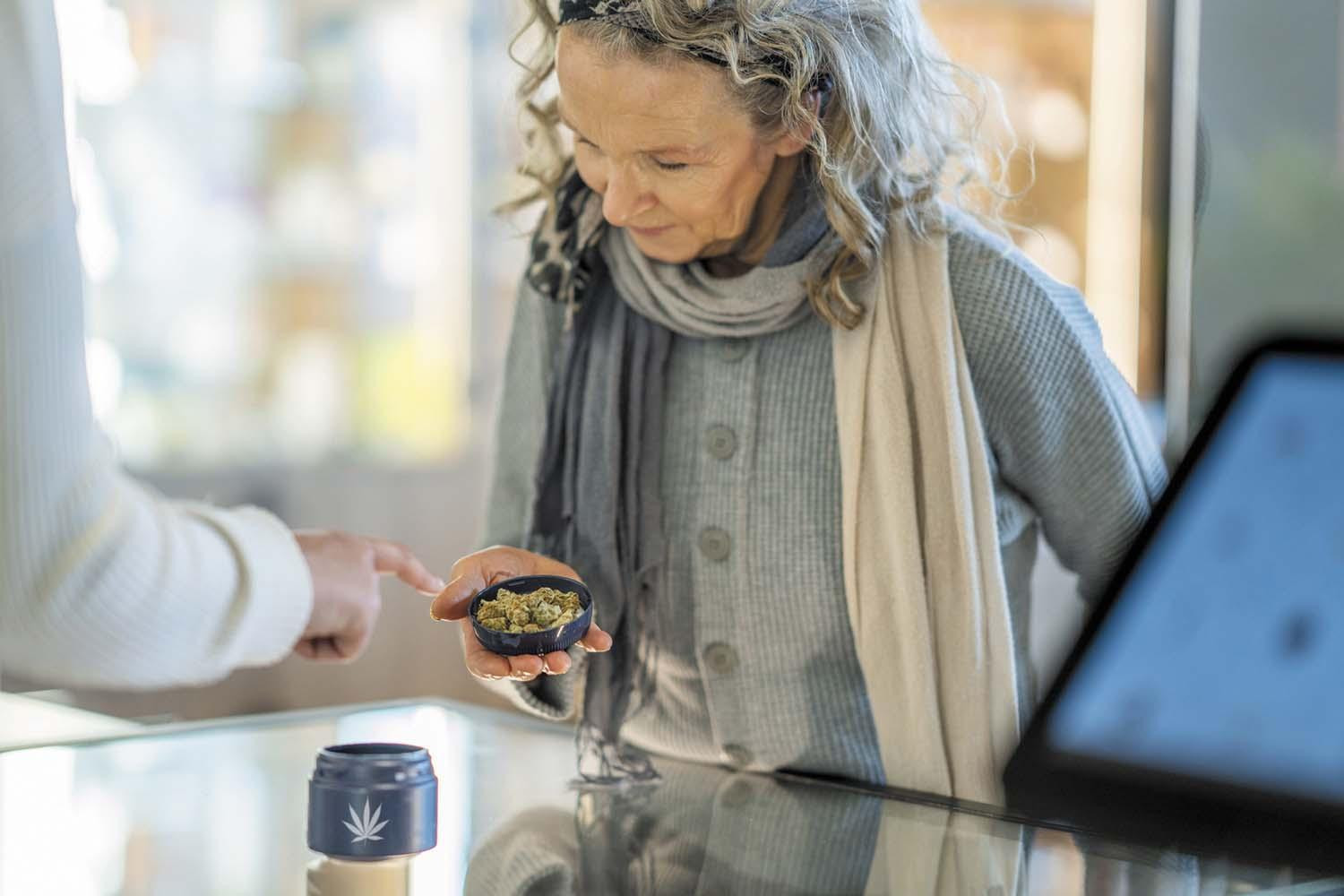
Relief or risk? Using cannabis as we age
Increasing numbers of older adults are using cannabis over recent years. People over 50 report using it to relax, sleep better, feel good, relieve pain, improve mood or mental health, or treat medical conditions. But older adults are more vulnerable to cannabis side effects, such as falls or interactions with prescription and over-the-counter drugs. Many older adults aren't aware that cannabis products today are far more potent than in decades past. Medical visits related to cannabis use rose more than 27-fold among adults 65 and older between 2008 and 2021.

Mind your heart for a longer, healthier life
Simple, proven strategies to live a longer, healthier life can help people become super-agers, defined as people who reach the age of 70 without any major diseases such as heart disease, cancer, or dementia. These habits include doing strength training to preserve muscle mass, eating a mostly vegetarian diet that provides many healthful nutrients, and prioritizing healthy sleep habits.

How "inflammaging" shapes our health
Inflammaging is chronic, low-grade inflammation throughout the body that occurs with aging. It is believed to accelerate aging and contribute to more than half of all deaths worldwide by driving various age-related diseases such as arthritis, autoimmune conditions, heart disease, cancer, diabetes, and Alzheimer's disease. People can combat inflammaging through healthy lifestyle measures such as exercising, eating healthfully, controlling weight, managing stress, prioritizing sleep, and limiting alcohol and smoking.

When celiac disease strikes later in life
Celiac disease is an autoimmune digestive condition triggered by gluten, a sticky protein found in grains such as wheat, barley, and rye. Celiac disease is typically diagnosed later in life, and occurs more often in women. Symptoms include intestinal distress, weight loss, rashes, fatigue, and nutrient deficiencies. Celiac patients must adopt a strictly gluten-free diet, which can be challenging after decades of eating gluten. Helpful strategies include creating gluten-free kitchen areas, buying naturally gluten-free items, and examining food labels.

Fuzzy memory? Try these strategies
Simple strategies can help someone fight age-related memory slips. Tips include repeating new information by saying it out loud or writing it down a few times; associating an image with someone's name, such as thinking of a bouquet of roses after meeting a person named Rosie; grouping information in chunks, similar to grouping digits in a phone number; and writing information out by hand (as opposed to typing), which forces the brain to process and absorb data.

Fast walking may lengthen your life
An October 2025 study found that at least 15 minutes of fast-walking each day was associated with longer life.

Adult ADHD: Overcoming the stigma
ADHD is often misunderstood and surrounded by stigma. Learn what ADHD looks like in adults, common myths, and ways to help manage symptoms and improve daily life.

How does prostate cancer treatment affect mental health?
The long-term outlook for men diagnosed with prostate cancer continues to improve. These medical advances, however, have also drawn attention to the mental health challenges many survivors encounter. It's still common for survivors to struggle with loss of masculine self-esteem and changes in body image.
Hip bursitis vs. arthritis: How to tell the difference
Fitness for longevity: Which type matters most?
Ministrokes linked to elevated risk of dementia
Continuous glucose monitors benefit people who don't need insulin
CoQ10: Should you take this popular supplement if you're on a statin?
Microplastics: A hidden health threat?
Oat vs. dairy milk: Nutrition, benefits, and downsides
What is tempeh? Benefits, nutrition, and how to use it
Healing after food poisoning
Whole grains may improve several heart risk factors at once
Free Healthbeat Signup
Get the latest in health news delivered to your inbox!
Sign Up
