

Caregiving Archive

Articles

How can I tell if my statin is working?

Statin therapy can help lower the risk of developing new plaques in the arteries and having a heart attack, although the effect may not show up on coronary artery calcium scans that measure the amount of calcium in the walls of the heart's arteries.

Taking control

Uncertainty and feeling less in control, which has occurred for many during the pandemic, can heighten stress. The human brain has more difficulty assessing risk when elements outside its control are introduced. To make the situation more manageable, pare down, simplify what you can to avoid unnecessary decision making, prioritize your mental health, and don’t get stuck in gathering and analyzing information.

Exposure to traffic noise linked to higher dementia risk

A decade or more of high exposure to traffic noise may increase dementia risk.

Creating a family medical history

Collecting a medical history from relatives can help people understand what diseases they may be more susceptible to in the future. These might include certain cancers or chronic conditions. Gathering a history can be challenging. When doing so, it’s important to respect people’s privacy and to approach the subject with sensitivity. Holiday gatherings can present an opportunity to get started. Using an online tool can help the process.

You don't say? Why does your nose run in cold weather?

A runny nose in cold weather is not automatically a sign of sickness, but rather a sign that the nose is doing its job to heat up and moisturize air before it enters the lungs. Your nose runs for an entirely different reason when you catch a cold. Mucus produced during a cold is designed to help flush out cold-causing germs.

Smarter food shopping

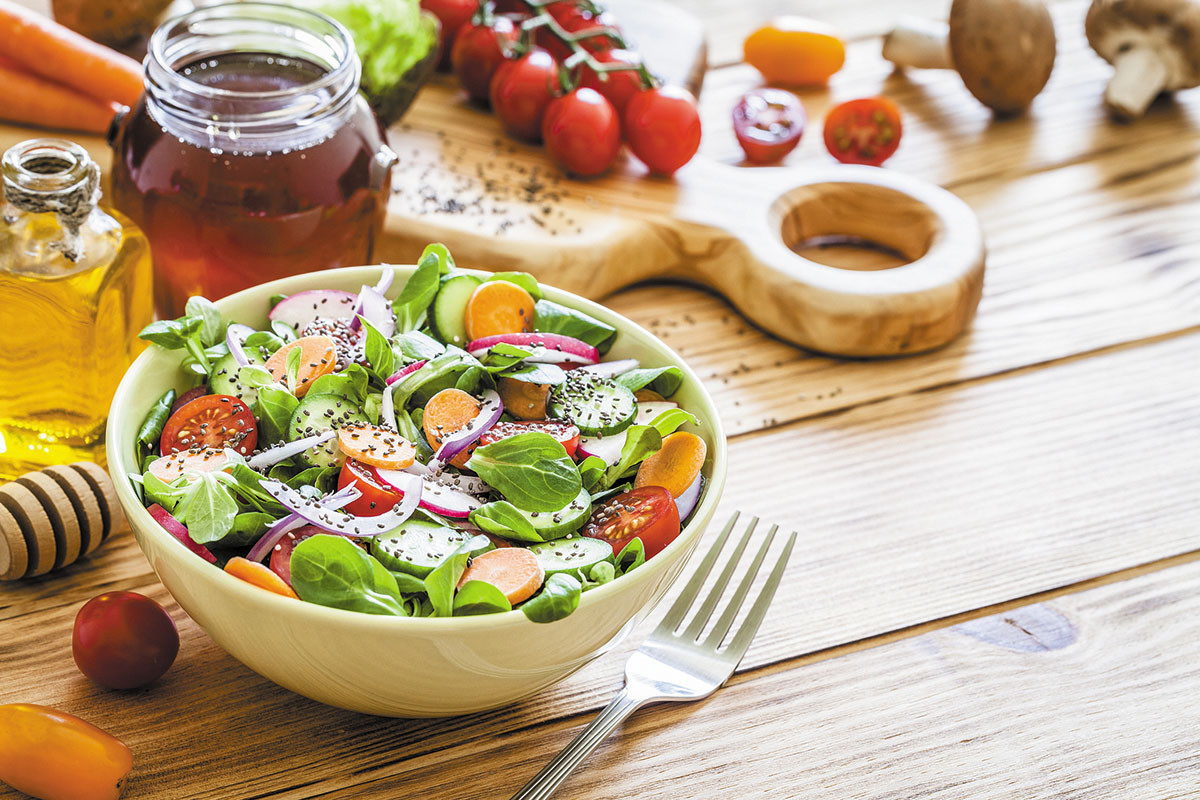
Nutrition does not have to be expensive. Some of the healthiest foods at grocery stores also are some of the least costly. By following some basic shopping strategies and knowing how to properly prepare and store produce, people can keep their refrigerator and pantry stocked with nutritious and inexpensive foods that support their health and their budget.

Take a breather

Most breathing follows a smooth, steady rhythm, but sometimes normal breathing turns erratic. For example, when people are stressed or panicked, breathing gets shallow, making it feel as if it is hard to take in air. When the fight-or-flight response kicks in to confront perceived danger (real or imagined), breathing pace quickens to prepare the heart and muscles for a quick getaway. One way to manage these types of stressful breathing when they occur is to practice breathing exercises designed to help bring in more oxygen and slow the breathing rhythm.

Gifts that promote relaxation and resilience
An array of products that encourage people to relax can be good holiday gifts for friends and loved ones who need to reduce their stress levels. Suggestions include a year’s subscription to a meditation app; yoga props such as a mat, blocks, and straps; devices that enable self-massage of the upper body; and products that may foster sound sleep, such as a weighted blanket, a noise machine, and scented bath salts.

Harvard study: Healthy diet associated with lower COVID-19 risk and severity

A study published online Sept. 6, 2021, by the journal Gut suggests that people who eat the most fruits, vegetables, and legumes have a lower risk of getting COVID and its complications, compared with people who eat the least.

Breakthrough: AI and better medicines

Many diseases occur because of defects in particular proteins—the workhorses of every cell. But developing a drug that targets a defective protein requires knowing that protein's shape. Protein shapes have always been difficult to predict. Then in July 2021, a company called DeepMind reported that its software predicted the structures for 98% of human proteins. By the end of 2021, DeepMind says it will publish the shape of 50% of the 280 million nonhuman proteins, up from 0.01%. These breakthroughs are expected to lead to new medicines.

Free Healthbeat Signup

Get the latest in health news delivered to your inbox!

Sign Up

Harvard Health Publishing Logo

Thanks for visiting. Don't miss your FREE 38-page gift.

PLUS, don’t miss out on your 25% off promo code.

Sign up to get tips for living a healthy lifestyle—You’ll discover powerful, research- backed strategies for health longevity drawn from Harvard Medical School experts—ways to eat for a longer life, build strength and flexibility to stay independent, protect your bones, heart, and brain as you age, and even cultivate the habits linked with “super-agers” who stay sharp and active well into their 80s and 90s—all delivered to your email box FREE.

Harvard Health Publishing Logo

Stay on top of latest health news from Harvard Medical School.

Plus, get a FREE copy of HEALTHBEAT ESSENTIALS: 10 Keys to Living Well at Any Age!.

Harvard Health Publishing Logo

Stay on top of latest health news from Harvard Medical School.

Plus, get a FREE copy of HEALTHBEAT ESSENTIALS: 10 Keys to Living Well at Any Age.








