

Hip bursitis vs. arthritis: How to tell the difference

Fitness for longevity: Which type matters most?

Ministrokes linked to elevated risk of dementia

Continuous glucose monitors benefit people who don't need insulin

CoQ10: Should you take this popular supplement if you're on a statin?

Microplastics: A hidden health threat?

Oat vs. dairy milk: Nutrition, benefits, and downsides

What is tempeh? Benefits, nutrition, and how to use it

Healing after food poisoning

Whole grains may improve several heart risk factors at once
Caregiving Archive
Articles

Turn your exercise into summer fun
Moving more doesn't have to be a drag.
Many people don't look forward to their daily workout so much as they look forward to getting through it. "Exercise is often a very negative term," says Dr. Edward Phillips, assistant professor of physical medicine and rehabilitation at Harvard Medical School. "People hear it as something they have to do. It becomes another thing on the list, and when they don't do it, they feel even worse."
If this sounds like you, it may be time to reframe your workouts. Exercise should feel like a gift, not a chore, says Dr. Phillips. Sound like a lofty goal? The first step toward achieving it is to change your thinking. Stop calling it exercise, he suggests; start referring to it as physical activity, and a whole new world of options will open up.

What’s the healthiest way to brew coffee?
News briefs
Drinking coffee is linked to many health benefits, such as less weight gain, lower average daily blood pressure, and a reduced risk for diabetes and cardiovascular disease. But which brewing method will help you get the most from your cup? A study published online April 22, 2020, by the European Journal of Preventive Cardiology found that filtering coffee (for example, with a paper filter) — not just boiling ground coffee beans and drinking the water — was better for health, particularly for older people. Researchers analyzed the survey responses of more than 500,000 healthy coffee drinkers (ages 20 to 79) who were followed for about 20 years. People younger than 60 who drank one to four cups of coffee, particularly filtered coffee, had lower rates of artery disease and death. The lower rate of death with filtered coffee drinkers persisted in people ages 60 or older, but was lost in people who drank five or more cups per day. The study is observational and doesn't prove that filtered coffee is healthier than unfiltered coffee, but it makes sense. Unfiltered coffee contains diterpenes, compounds that can raise cholesterol, and researchers say a cup of unfiltered coffee contains 30 times more diterpenes than a cup of filtered coffee. So use that coffee filter, save the French press or Turkish unfiltered coffee for rare occasions, and consider limiting your coffee intake to less than five cups per day, on average.
Image: © Ohoho/Getty Images
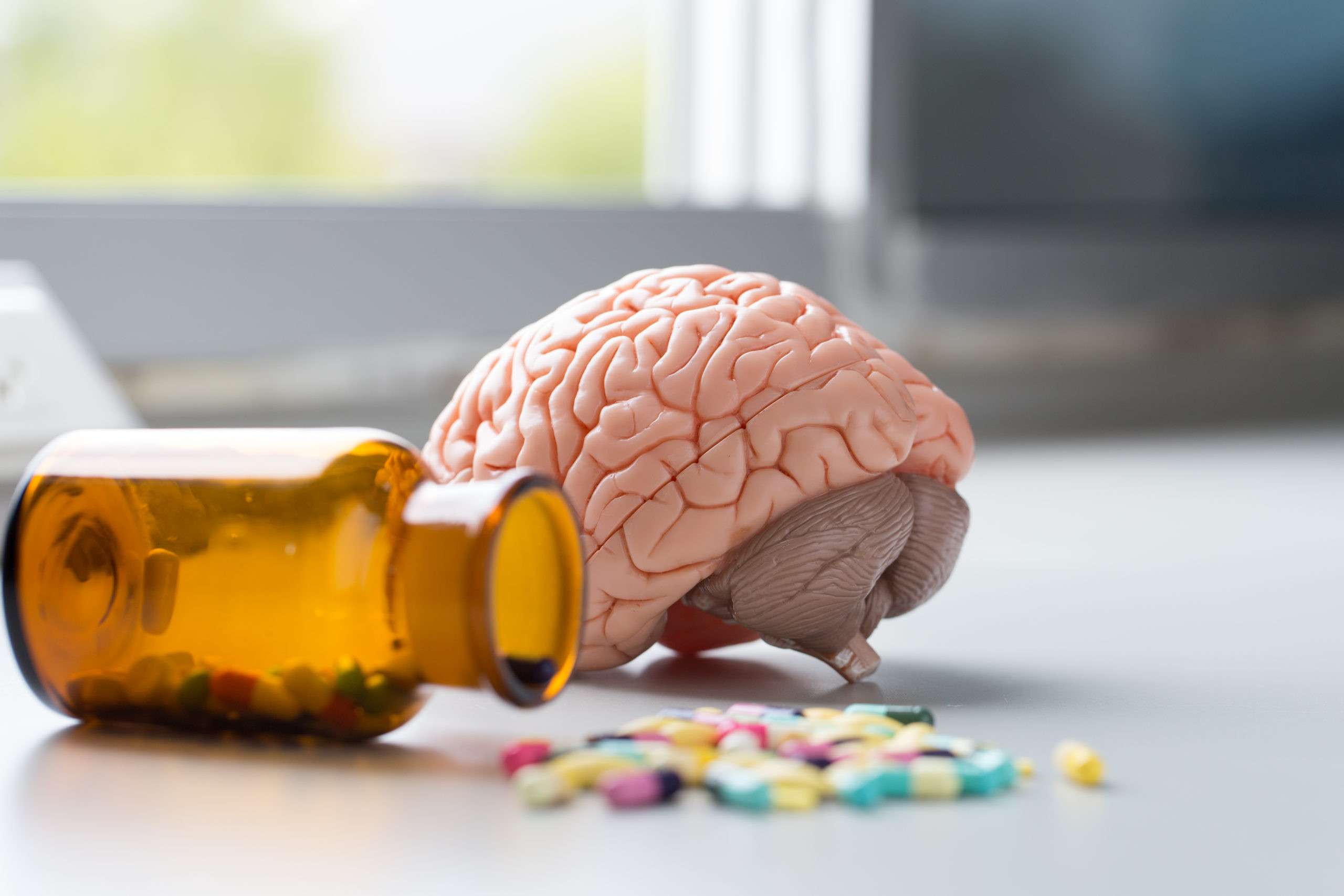
Brain plasticity in drug addiction: Burden and benefit
The brain’s neuroplasticity — its ability to adapt and change — makes it possible for us to learn new skills and solve complex problems, but it also makes some people more vulnerable to the consequences of substance use disorders. This same ability also makes it possible for a person to make cognitive modifications in order to change an addictive behavior.


Global mental health in the time of COVID-19
The singular focus of health care services on COVID-19 has disrupted mental health care, and people with new or existing issues are having difficulty accessing much-needed care. A global initiative launched at Harvard Medical School aims to rectify this situation and transform global mental health.



Parenting in a pandemic
Watch our timely "Parenting in a Pandemic" Zoomcast. Claire McCarthy, MD, assistant professor of pediatrics at Harvard Medical School and senior faculty editor at Harvard Health Publishing, discusses parenting children and teens when the outlook is cloudy for many favorite summer pastimes and jobs. She also offers pointers for staying safe as state restrictions lift, takes a look toward return-to-school in the fall, and explains what is and isn't known about a rare complication of COVID-19 called multisystem inflammatory syndrome in children (MIS-C).
Hip bursitis vs. arthritis: How to tell the difference
Fitness for longevity: Which type matters most?
Ministrokes linked to elevated risk of dementia
Continuous glucose monitors benefit people who don't need insulin
CoQ10: Should you take this popular supplement if you're on a statin?
Microplastics: A hidden health threat?
Oat vs. dairy milk: Nutrition, benefits, and downsides
What is tempeh? Benefits, nutrition, and how to use it
Healing after food poisoning
Whole grains may improve several heart risk factors at once
Free Healthbeat Signup
Get the latest in health news delivered to your inbox!
Sign Up
