

Hip bursitis vs. arthritis: How to tell the difference

Fitness for longevity: Which type matters most?

Ministrokes linked to elevated risk of dementia

Continuous glucose monitors benefit people who don't need insulin

CoQ10: Should you take this popular supplement if you're on a statin?

Microplastics: A hidden health threat?

Oat vs. dairy milk: Nutrition, benefits, and downsides

What is tempeh? Benefits, nutrition, and how to use it

Healing after food poisoning

Whole grains may improve several heart risk factors at once
Caregiving Archive
Articles

How to fill out a "flat" behind
Older men can get "flat" or weak buttocks from spending too much time sitting, which can weaken gluteal muscles and create tight hip flexors. This weakness can place excess demand on other parts of the body, which can lead to pain in the lower back, hips, and knees and increase risk for lower-body injuries. The best way to strengthen a weak backside is to break up prolonged periods of sitting with regular movement and perform exercises that build up gluteal muscles, such as deadlifts, bridges, and step-ups.

Weight training may protect the brain from cognitive decline
A small 2025 study found that older adults who did six months of weight training improved their ability to recall recent events and information. They also had had less brain shrinkage in regions affected by Alzheimer's disease, compared with people who did not do the training.

Midlife pressure surge
High blood pressure means that blood pushes against artery walls more forcefully than normal. Women's blood pressure is typically lower than men's until around age 60. An estimated 41% of women develop high blood pressure after menopause. High blood pressure increases people's risks of heart attack, stroke, kidney disease, and other problems. Factors that increase women's risk of high blood pressure at midlife include menopause, elevated sympathetic nerve activity, weight gain and redistribution, stress, and genetics.

Wildfires: How to cope when smoke affects air quality and health
Wildfire smoke contributes greatly to poor air quality, and as wildfires become more frequent due to climate change and drier conditions, more of us and more of our communities are at risk for health harms. Here are ways to cope.
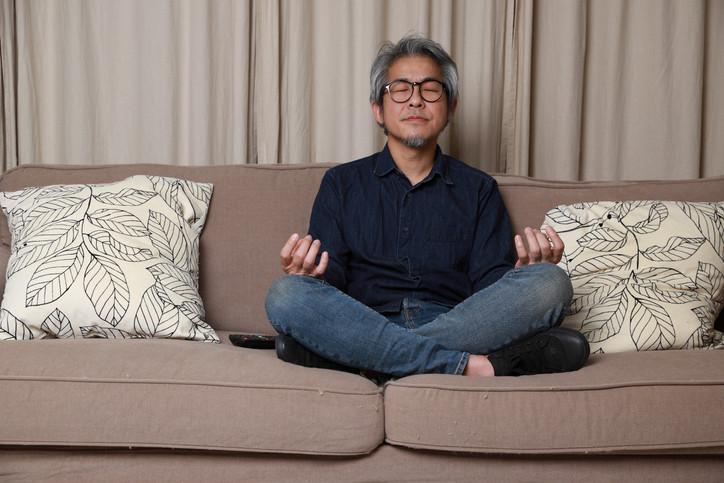

Water aerobics tied to weight loss and a smaller waist
A 2025 review of 10 randomized controlled trials (involving about 300 people) found that those who took part in two or three one-hour water aerobics classes weekly for at least 10 weeks lost up to 6 pounds and trimmed their waists by about an inch.
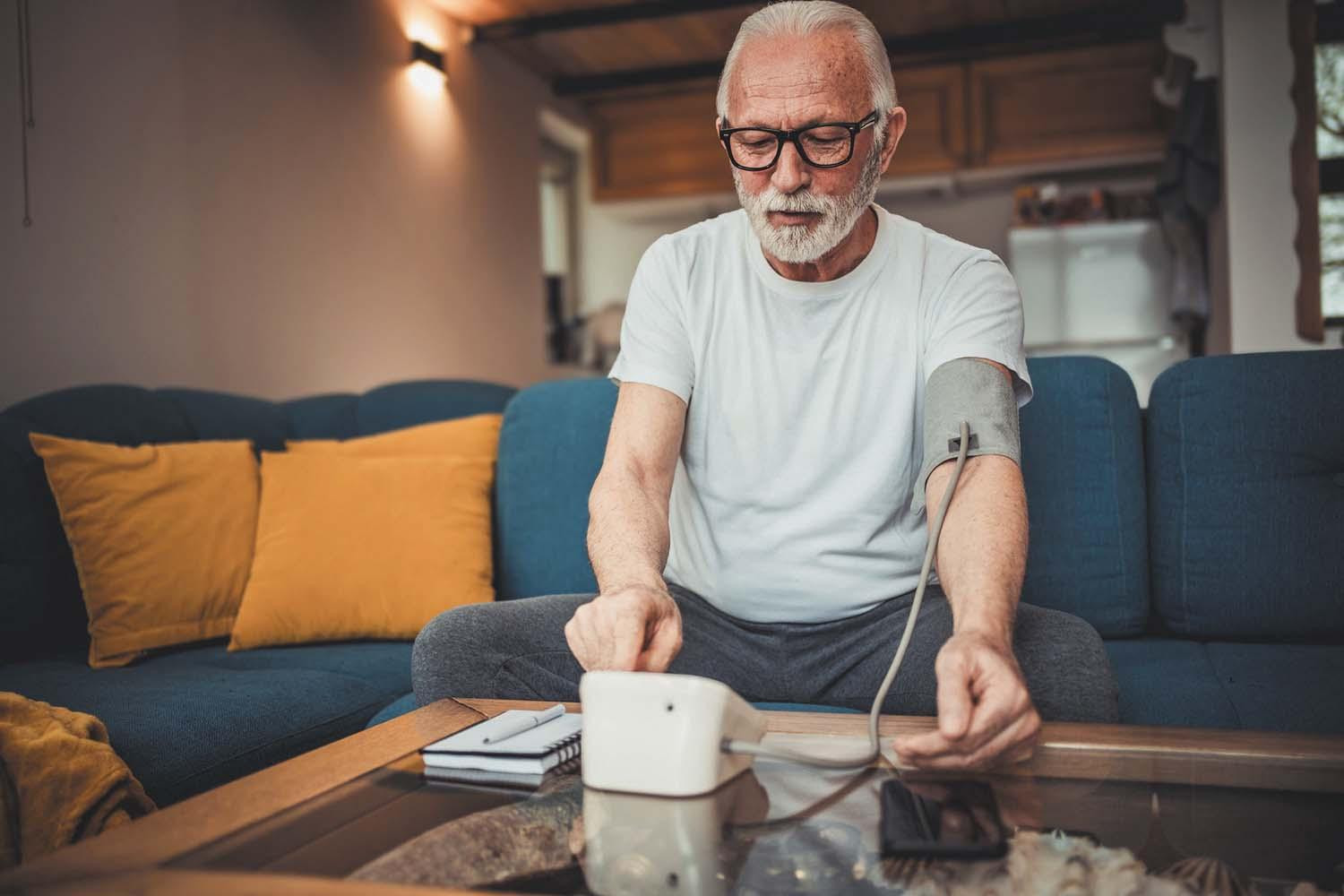
Take back your blood pressure control!
When blood pressure remains high despite treatment, making certain lifestyle changes can help. Examples include reducing dietary sodium and increasing dietary potassium, losing weight, limiting alcohol intake to no more than one drink per day, exercising (doing aerobics and strength training), using tools that improve medication adherence (such as an automatic pill dispenser, a medication diary, a smartphone alarm, or a reminder app), quitting smoking, getting more sleep, managing stress, and reducing caffeine intake.

Prepare now for your health needs in the future
If possible, everyone should prepare for the possibility of needing support services or long-term care in older age, even if it's not yet needed. Ways to prepare include designating a health care proxy and power of attorney; writing advance directives for health care preferences; investigating potential housing options (such as assisted living facilities) and support services (such as a health aide) well in advance; downsizing belongings, including one's home; and meeting with a financial planner to figure out how to tackle caregiving expenses.

A popular alternative to a traditional sleeping pill
In the last few years, the prescribing rate for zolpidem, a popular sleeping pill, has been declining in favor of the "off-label" use of an antidepressant called trazodone, which is known for its ability to make people drowsy. But doctors are concerned that trazodone hasn't been well studied for insomnia, it is not FDA-approved to treat the condition, and there are sparse data showing that it is safe or that it works for patients with insomnia. Experts advise choosing medications based on a patient's specific needs, not a trend.

Want to live longer? Replace butter with plant-based oil
In a 2025 study of more than 221,000 people followed for more than 30 years, scientists calculated that swapping about a tablespoon of butter per day for about two teaspoons of olive, soybean, or canola oil was tied to a 17% reduction in premature death.
Hip bursitis vs. arthritis: How to tell the difference
Fitness for longevity: Which type matters most?
Ministrokes linked to elevated risk of dementia
Continuous glucose monitors benefit people who don't need insulin
CoQ10: Should you take this popular supplement if you're on a statin?
Microplastics: A hidden health threat?
Oat vs. dairy milk: Nutrition, benefits, and downsides
What is tempeh? Benefits, nutrition, and how to use it
Healing after food poisoning
Whole grains may improve several heart risk factors at once
Free Healthbeat Signup
Get the latest in health news delivered to your inbox!
Sign Up
