

Hip bursitis vs. arthritis: How to tell the difference

Fitness for longevity: Which type matters most?

Ministrokes linked to elevated risk of dementia

Continuous glucose monitors benefit people who don't need insulin

CoQ10: Should you take this popular supplement if you're on a statin?

Microplastics: A hidden health threat?

Oat vs. dairy milk: Nutrition, benefits, and downsides

What is tempeh? Benefits, nutrition, and how to use it

Healing after food poisoning

Whole grains may improve several heart risk factors at once
Caregiving Archive
Articles

What can you do to avoid Alzheimer’s disease?
How a healthy lifestyle can make a difference in Alzheimer’s prevention.
Alzheimer's disease, the most common form of dementia, is characterized by the accumulation of two types of protein in the brain: tangles (tau) and plaques (amyloid-beta). Eventually, Alzheimer's kills brain cells and takes people's lives.
Alzheimer’s causes
What causes Alzheimer's? We still aren't sure. "For 1% of all cases, there are three genes that determine definitively whether or not you will have Alzheimer's, and all three relate to amyloid-beta production, which in these cases is likely the cause of Alzheimer's," says Dr. Gad Marshall, associate medical director of clinical trials at the Center for Alzheimer Research and Treatment at Harvard-affiliated Brigham and Women's Hospital. "For the other 99%, amyloid and tau are closely associated with Alzheimer's, but many things may contribute to the development of symptoms, such as inflammation in the brain, vascular risk factors, and lifestyle."

Are you tired from...too much sleep?
A bad night's sleep can leave you feeling pretty tired the next day. Put a string of those together and nagging fatigue starts to set in.
Getting good sleep, in the right amount, can make a big difference in how you feel. Too little or too much sleep can increase your perception of fatigue. And even if you get enough hours of sleep, you might find yourself dragging the next day if that sleep was interrupted by frequent awakenings or was of poor quality.

Why not flaxseed oil?
There's no mercury to worry about, and flaxseed oil does contain omega-3 fats...but not the best kind.
Troll the medical literature, and you'll come up with study after study showing that fish and fish oil are good for us, especially for our hearts but maybe also for our moods and immune systems. Various epidemiologic investigations have found that people who eat fish regularly are less likely to have heart attacks, suffer strokes, or die from sudden cardiac arrest. The definition of "regularly" varies, but it usually means at least a couple of times a week, although eating fish even once a month has been shown to make a difference.
Fish, and especially fish oil, have also been the subject of dozens of randomized clinical trials, most involving people with existing heart conditions. In large amounts (several grams a day), fish oil has been shown to nudge various cardiac risk factors ("good" HDL cholesterol, triglycerides, blood pressure) in the right direction.

DNA testing forever changed donor conception
DNA testing kits can upend identity and spark a multitude of questions for some children conceived with donor sperm and parents who hadn’t shared origin stories.

When someone you love won’t create an advance directive
What if someone you love doesn't have an advance directive? That's common, although the underlying reasons may differ. Basic barriers include thinking that an advance directive isn't needed, not wanting to think about death or serious illness, not wanting to burden people, not knowing enough about advance directives and health care choices, needing help to fill out the forms, and lack of time with the doctor to discuss the matter. A person's ethnic or cultural background can also be a barrier: minorities tend to be more suspicious of health care providers and resistant to talking about or completing advance directives. According to AARP, African Americans in home health care and nursing homes are half as likely as whites to have advance directives.
To deal with this situation, try asking your loved one two simple questions, even if you think you know the answers.



A 20-minute nature break relieves stress
In the journals
Spending just 20 minutes connecting with nature can help lower stress hormone levels, according to a study in the April 4, 2019, Frontiers in Psychology. Previous research has shown that interacting with nature reduces stress, but it is not clear how long and how often the engagement needs to be, or even what kind of nature experience is best.
Here, researchers asked 36 people to spend 10 minutes or longer, three days a week for eight weeks, in an outdoor place where they could interact with nature. The settings varied from yards to public parks to green areas near their place of work. They also either walked or sat during their nature time.

Nutrients from food, not supplements, help you live longer
In the journals
An adequate intake of certain nutrients from food, but not supplements, is linked with a lower rate of death, according to a study in the April 9, 2019, Annals of Internal Medicine.
Researchers looked at the relationship between food and supplements and death from all causes among more than 30,000 adults. The results shows that adequate intakes of vitamin K, vitamin A, magnesium, zinc, and copper were associated with a lower risk of death from cardiovascular disease—but only if they came from food and not supplements.
An underused option for severe depression
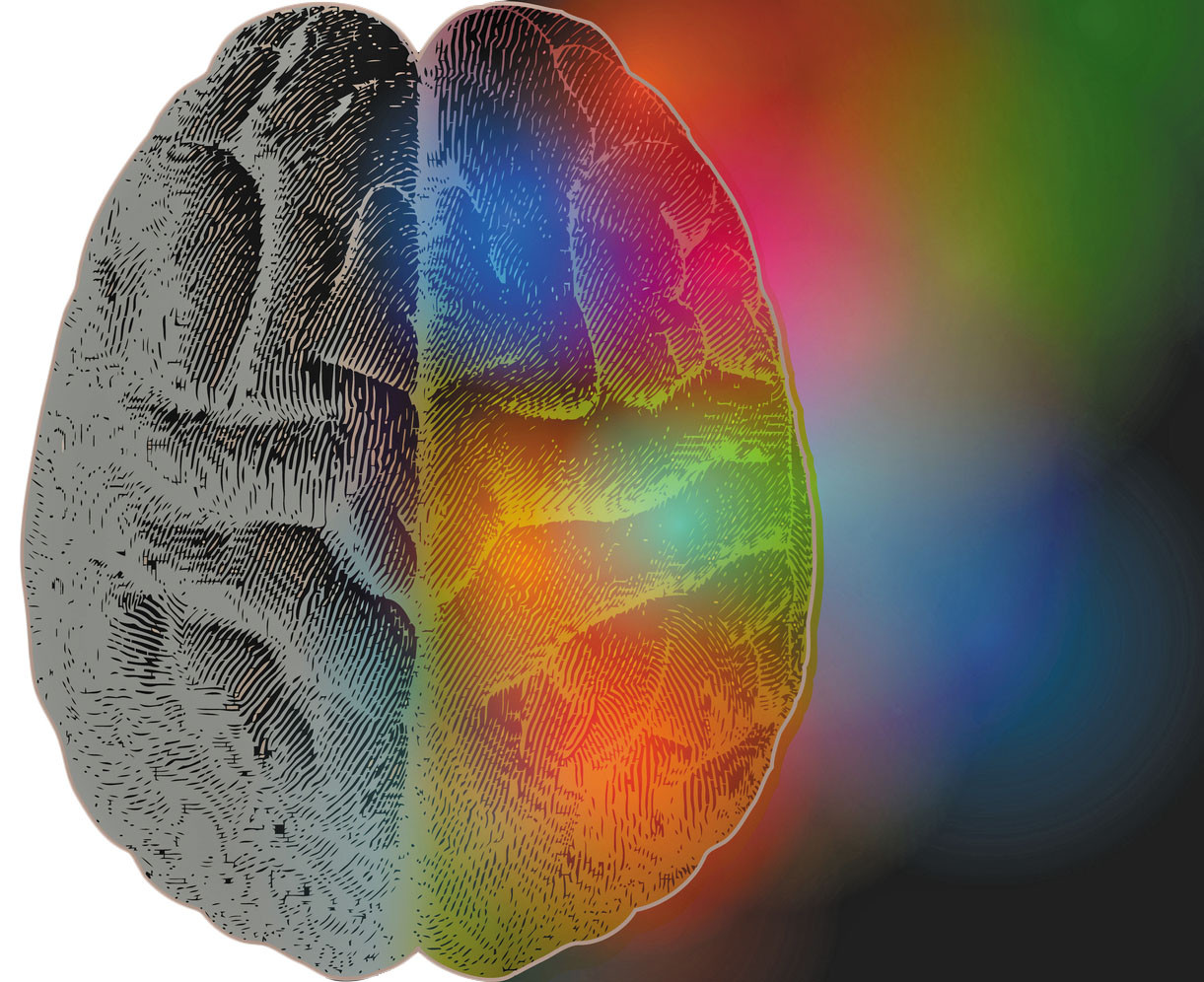
A new study supports the use of noninvasive brain stimulation in people with severe depression who haven't responded to medication.
If medication isn't helping to ease severe depression, nonsurgical brain stimulation may be an effective alternative to consider, according to a study published online March 27 by The BMJ. Specifically, the study found that evidence seems to back the use of repetitive transcranial magnetic stimulation (rTMS) and electroconvulsive therapy (ECT) over other, newer brain stimulation therapies.
"Many psychiatrists are unaware of these techniques, or at least don't think to recommend them for their patients," says Dr. Daniel Press, associate professor of neurology at Harvard Medical School and the clinical director for the Berenson-Allen Center for Noninvasive Brain Stimulation at Beth Israel Deaconess Medical Center. "So, studies like this are helpful in raising the banner and reminding people that these are very effective options for a large percentage of people."
Hip bursitis vs. arthritis: How to tell the difference
Fitness for longevity: Which type matters most?
Ministrokes linked to elevated risk of dementia
Continuous glucose monitors benefit people who don't need insulin
CoQ10: Should you take this popular supplement if you're on a statin?
Microplastics: A hidden health threat?
Oat vs. dairy milk: Nutrition, benefits, and downsides
What is tempeh? Benefits, nutrition, and how to use it
Healing after food poisoning
Whole grains may improve several heart risk factors at once
Free Healthbeat Signup
Get the latest in health news delivered to your inbox!
Sign Up
