

Hip bursitis vs. arthritis: How to tell the difference

Fitness for longevity: Which type matters most?

Ministrokes linked to elevated risk of dementia

Continuous glucose monitors benefit people who don't need insulin

CoQ10: Should you take this popular supplement if you're on a statin?

Microplastics: A hidden health threat?

Oat vs. dairy milk: Nutrition, benefits, and downsides

What is tempeh? Benefits, nutrition, and how to use it

Healing after food poisoning

Whole grains may improve several heart risk factors at once
Caregiving Archive
Articles
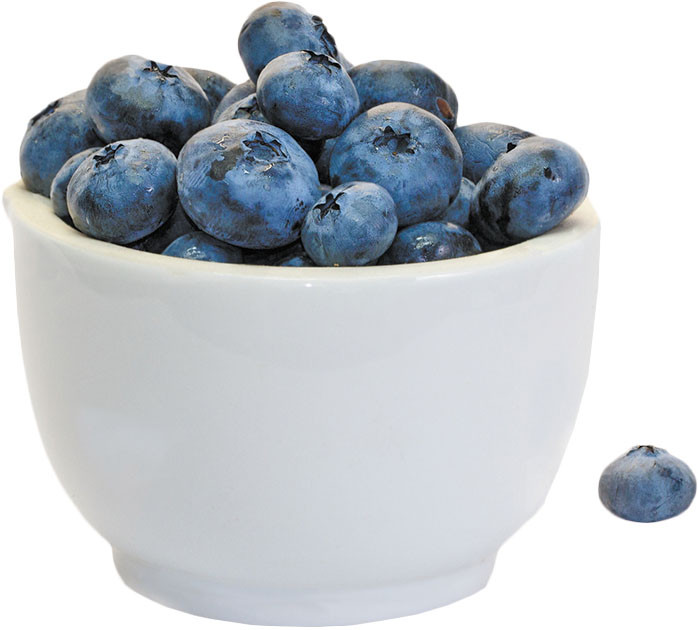
Blueberries may help lower blood pressure
In the journals
Eating a cup of blueberries every day may help your blood pressure, suggests a new study. The results, published online Feb. 16, 2019, by The Journals of Gerontology, Series A: Biological Sciences and Medical Sciences, found that consuming 200 grams of blueberries (about one cup) daily can improve blood vessel function and decrease systolic blood pressure (the top number in a blood pressure reading).
Researchers recruited 40 healthy men and randomly gave them either a drink containing 200 grams of whole wild blueberries or a control drink (which looked and tasted much the same) every day for a month. The team also monitored the men's blood pressure as well as the flow-mediated dilation of the brachial artery in their upper arms. This measures how the artery widens when blood flow increases and is a marker of reduced cardiovascular disease risk.

Broader social interaction keeps older adults more active
In the journals
A strong social life has been linked with many health benefits, like less risk of depression and longer life span. But a new study suggests that interacting with a wide range of people may offer even greater benefits.
The study, published Feb. 20, 2019, in The Journals of Gerontology, Series B: Psychological Sciences and Social Sciences, found that older adults who interacted with people beyond their usual social circle of family and close friends were more likely to have higher levels of physical activity, greater positive moods, and fewer negative feelings.

Is under-the-tongue allergy therapy safe and effective?
Ask the doctors
Q. I have seasonal allergies and I'm thinking about getting allergy shots to control them. But I hate shots and would prefer the sublingual treatments. Are these treatments considered equally safe and effective?
A. The short answer to your question is yes. Sublingual allergy treatments, which are small doses of allergens administered as tablets or liquid drops under the tongue, are considered safe and effective compared with allergy shots.
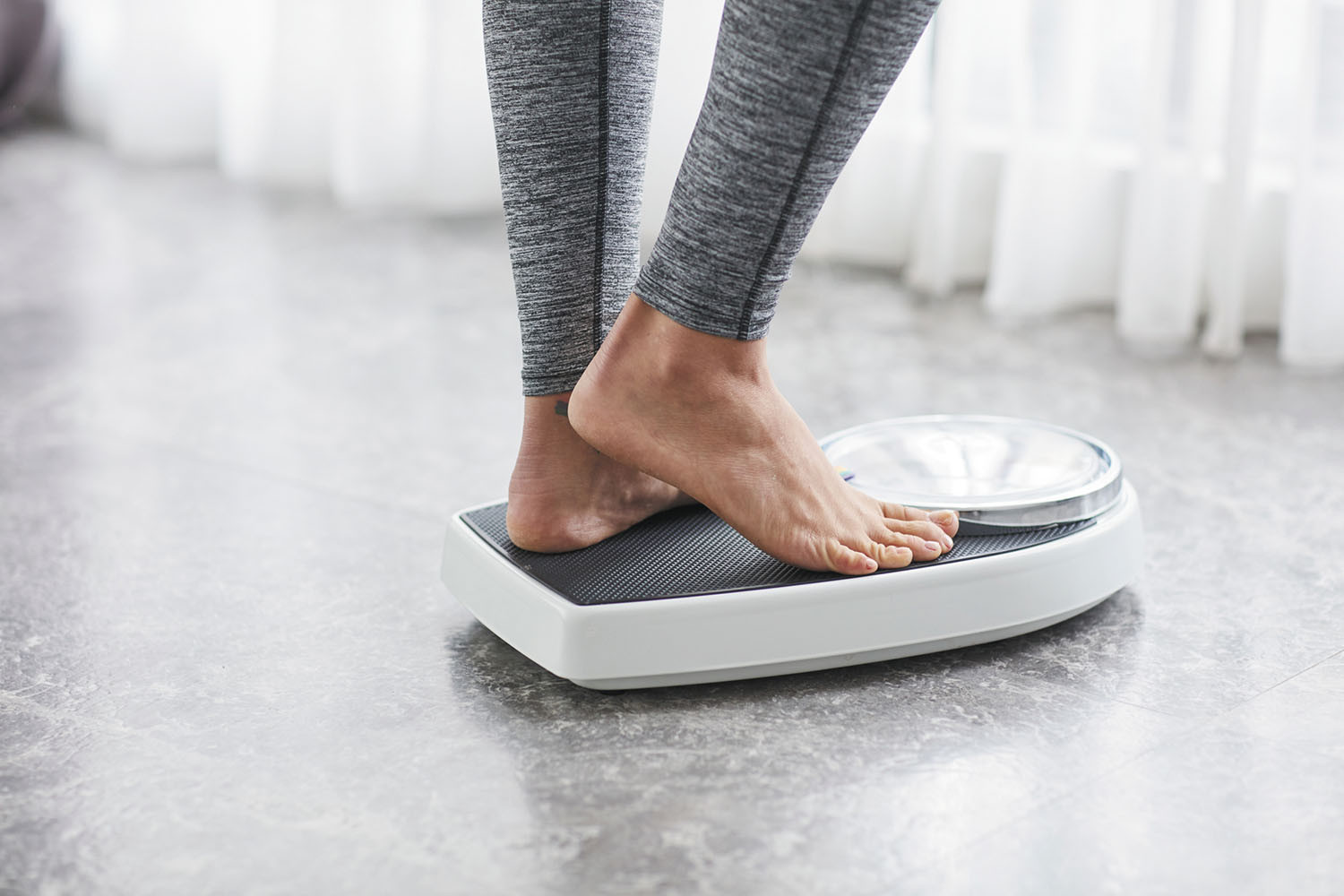
Is lack of exercise a problem if I'm at my ideal weight?
Ask the doctors
Q. I don't need to lose weight, so I don't exercise very often, but I maintain a healthy diet. Could my lack of exercise lead to health problems?
A. Exercise is essential for good health — even if you're not overweight. This point is illustrated by a recent study, published March 1 in The American Journal of Cardiology. It found that 30% of normal-weight people who were sedentary had the same risk of heart attack and stroke as people who were overweight. In short, just being at a healthy weight didn't necessarily ensure that someone was in good health. In addition to having a higher risk of serious cardiovascular events, some inactive but normal weight people were also more likely to have labored breathing during exercise and a larger-than-recommended waist circumference, compared with normal-weight adults who exercised regularly.

Meditation: There's an app for that
This age-old relaxation method can bring health benefits, and there are many tools to help get you started.
These days it seems like there's an app for almost everything you can do for your health, from tracking your diet and exercise to charting your sleep patterns. So, it's no surprise that there's been a surge in apps to help with meditation, an ancient practice designed to help you focus inward to promote relaxation.
In fact, Apple designated "self-care" — a category that includes meditation, mindfulness, and general wellness — as the 2018 "app trend of the year." This mirrors growing interest in meditation as an overall health strategy, a movement likely driven by a growing body of research showing potential health benefits from the practice.

Sleeping in on the weekend won't help you recover from lost sleep
Research we're watching
Many people skimp on sleep during the week and try to make up for lost time on the weekend. But a study published February 28 in Current Biology shows this strategy won't necessarily reverse the ill effects of sleep deprivation on your body.
The study, conducted in a sleep lab, tested the health effects of three sleep strategies over a two-week period. Participants in one group were allowed to sleep up to nine hours a night. Those in a second group were limited to five hours a night. People in the third group slept five hours nightly during the week, but were allowed to sleep in on Saturday and Sunday.

Healthy individuals don't need low-dose aspirin therapy
Research we're watching
If you're healthy and don't have a history of cardiovascular disease, daily low-dose aspirin is no longer recommended as a preventive measure, says a new guideline released by the American Heart Association and American College of Cardiology. The risks of internal bleeding and other side effects outweigh the benefits of aspirin in this group.
The new guideline, which was based on numerous recent studies, does not apply to people who have had a heart attack or stroke or who have undergone a bypass procedure. The recommendation to take low-dose aspirin therapy in this group is unchanged.
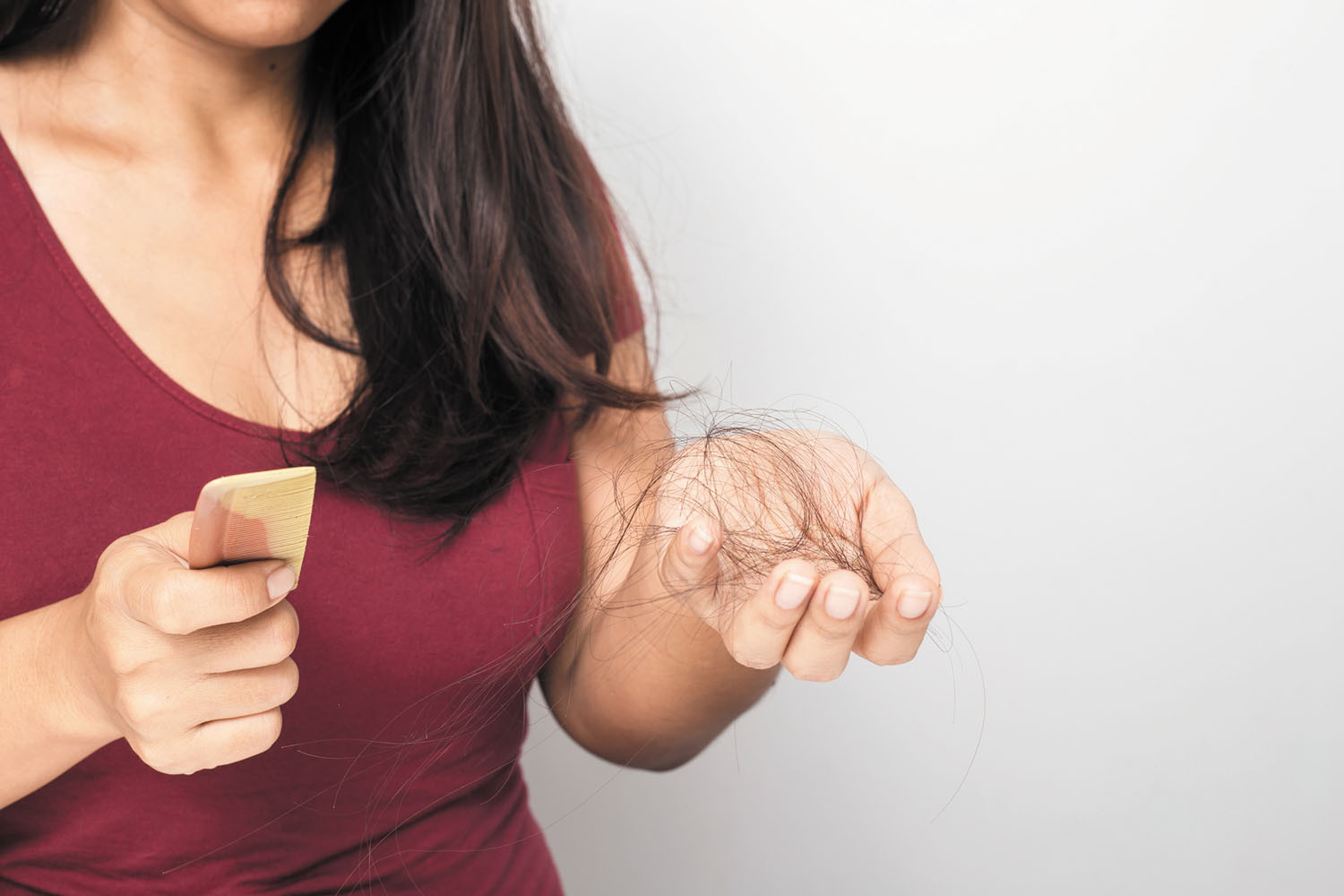
Platelet-rich plasma therapy may help counter balding
Research we're watching
If your hair has been thinning, an infusion of your body's own plasma may help grow it back, according to the American Academy of Dermatology.
A number of recent studies show that platelet-rich plasma (PRP) therapy is successfully regrowing lost hair. This includes a 2018 study in the International Journal of Women's Dermatology that found the technique was beneficial in treating androgenetic alopecia, a type of genetically and hormonally driven hair loss that affects as many as 35% of women by age 60.

Left behind after suicide
People bereaved by a suicide often get less support because it's hard for them to reach out — and because others are unsure how to help.
Every year in the United States, more than 45,000 people take their own lives. Every one of these deaths leaves an estimated six or more "suicide survivors" — people who've lost someone they care about deeply and are left with their grief and struggle to understand why it happened.
The grief process is always difficult, but a loss through suicide is like no other, and the grieving can be especially complex and traumatic. People coping with this kind of loss often need more support than others, but may get less. There are various explanations for this. Suicide is a difficult subject to contemplate. Survivors may be reluctant to confide that the death was self-inflicted. And when others know the circumstances of the death, they may feel uncertain about how to offer help. Grief after suicide is different, but there are many resources for survivors, and many ways you can help the bereaved.

Moisturizers: Do they work?
There are lots of dubious claims and mysterious ingredients, but yes, by trapping water, moisturizing can help with dry skin.
Dry skin by itself isn't a medical worry, although serious cases can result in cracks and fissures that invite infection and inflammation. The real issue is discomfort — dry skin can be sore, tender to the touch, and often itchy (although not all itchy skin is dry). There's also the red, rough, scaly appearance lamented in many advertisements for moisturizers.
This is one problem that hasn't suffered from lack of attention: there are dozens of creams and lotions for dry skin. They are sold as moisturizers, which is more of a marketing term than a medical or scientific one. Indeed, routine skin care is a realm where there's little science to be found. Well-controlled studies of ingredients are few and far between. Companies keep information about ingredients proprietary and are careful to limit claims for what the products do to stay within FDA rules.
Hip bursitis vs. arthritis: How to tell the difference
Fitness for longevity: Which type matters most?
Ministrokes linked to elevated risk of dementia
Continuous glucose monitors benefit people who don't need insulin
CoQ10: Should you take this popular supplement if you're on a statin?
Microplastics: A hidden health threat?
Oat vs. dairy milk: Nutrition, benefits, and downsides
What is tempeh? Benefits, nutrition, and how to use it
Healing after food poisoning
Whole grains may improve several heart risk factors at once
Free Healthbeat Signup
Get the latest in health news delivered to your inbox!
Sign Up
