

Hip bursitis vs. arthritis: How to tell the difference

Fitness for longevity: Which type matters most?

Ministrokes linked to elevated risk of dementia

Continuous glucose monitors benefit people who don't need insulin

CoQ10: Should you take this popular supplement if you're on a statin?

Microplastics: A hidden health threat?

Oat vs. dairy milk: Nutrition, benefits, and downsides

What is tempeh? Benefits, nutrition, and how to use it

Healing after food poisoning

Whole grains may improve several heart risk factors at once
Caregiving Archive
Articles

Greater fitness linked to a longer life
News briefs
Image: © Guingm/Getty Images
Some small studies have suggested that too much vigorous exercise might harm your heart, perhaps by triggering heart rhythm changes or other problems. New evidence allays this concern. In fact, the more fit you are, the longer you may live. For the study, researchers reviewed data from more than 122,000 people who underwent exercise treadmill testing from 1991 to 2014. Based on the findings, they divided the subjects into five performance groups: elite, high, above average, below average, and low. Elite performers — who had fitness levels comparable to endurance athletes — had the lowest risk of dying of any cause during the follow-up period, which averaged just over eight years. The survival benefit was most notable among people ages 70 or older and those with high blood pressure. According to the study authors, there does not appear to be an upper limit of fitness above which a survival benefit is no longer seen. They published their findings online Oct. 19, 2018, in JAMA Network Open.

Omega-3s for anxiety?
News briefs
Image: © emiliozv/Getty Images
Omega-3 fatty acid supplements may help ease anxiety symptoms in people diagnosed with a range of physical and mental health problems, according to a review published in the Sept. 14, 2018, JAMA Network Open. The report pooled findings from 19 different studies and included 1,200 people. Most of the studies compared omega-3 supplements to a placebo. Taken together, the studies included people with a range of health problems, including heart attacks, attention deficit disorder, substance abuse, depression, and Parkinson's disease, as well as some groups without any specific clinical diagnosis. Researchers found that people who took high doses of omega-3s (up to 2,000 mg a day) seemed to have the most reduction in anxiety symptoms. Omega-3 fatty acids, which are usually derived from fish oil, have a number of biological effects in the body. Brain membranes contain a high proportion of these fats, and human studies suggest that a lack of omega-3s in the brain may induce various behavioral and psychiatric disorders. For now, it's too soon to recommend high-dose omega-3 supplements for treating anxiety. Larger trials testing the supplements (both alone and combined with standard treatments) are needed, the study authors say.
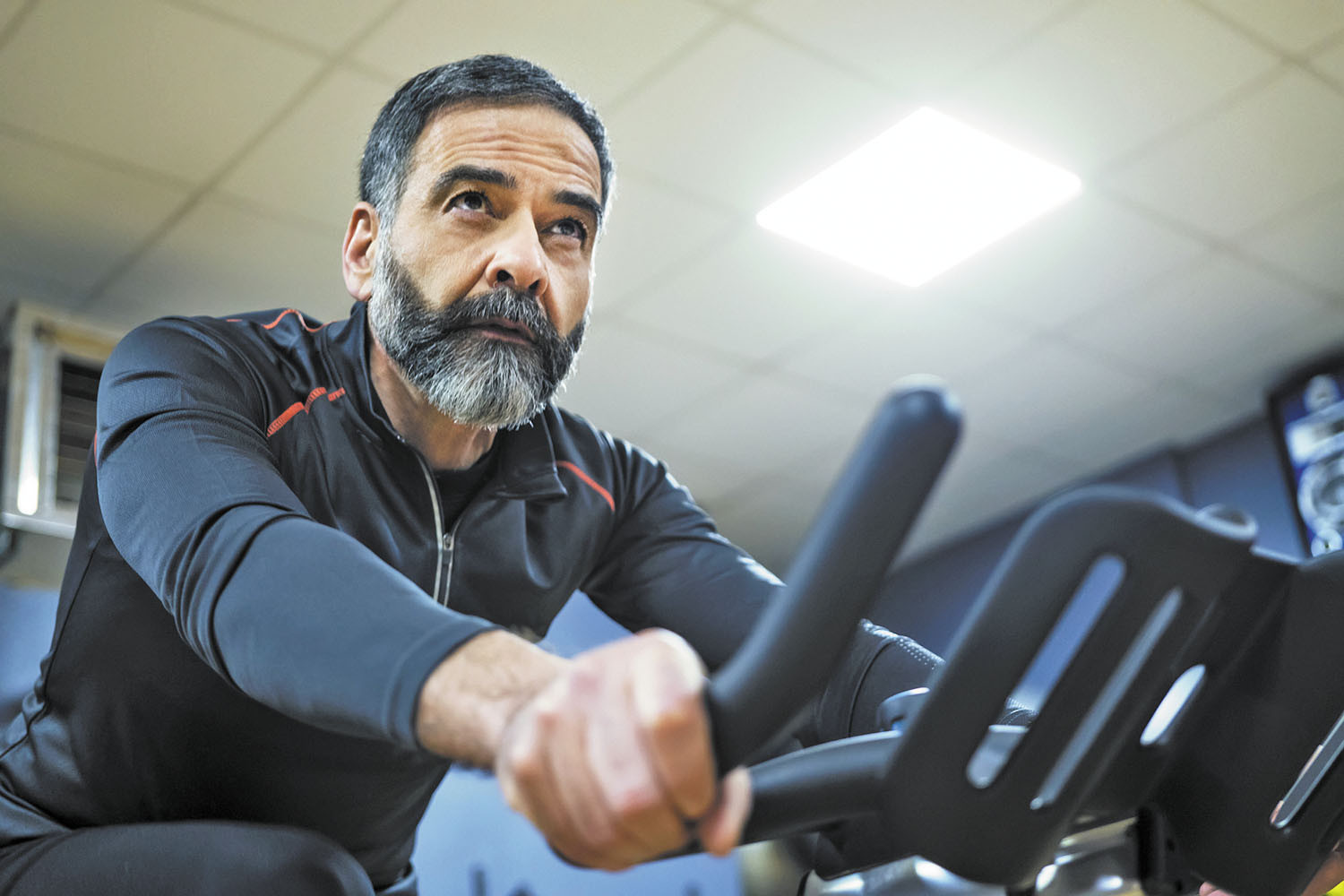
Lessons from the masters
These master-level athletes can teach you how to stay fit and healthy.
Image: © Vesnaandjic/Getty Images
You're never too old to learn from the experience of others. For instance, master athletes in their 60s, 70s, and even 80s might compete at a higher level than you, but they still face the same age-related challenges.
"You can gain much wisdom from these individuals, such as how to exercise smarter, how to overcome obstacles, and how to stay motivated," says Dr. Adam Tenforde, assistant professor of physical medicine and rehabilitation at Harvard-affiliated Spaulding Rehabilitation Hospital. "They have developed strategies that can be adopted by the average person to help maintain health and reach specific goals."

How do I deal with dry, itchy winter skin?
On call
Q. My skin gets dry and itchy in winter, and there are so many moisturizers available. What should I look for?
A. Dry skin develops when your skin doesn't retain sufficient moisture. This is often a problem in winter when the air both indoors and outdoors has low humidity, as the water content of our skin tends to reflect the level of humidity around it. Fortunately, using a good moisturizer is a simple way to relieve winter dry skin.

What can I do about poor night vision?
Image: Igor Alecsander/iStock
On call
Q. I have trouble seeing clearly at night, especially when I drive. Should I change my glasses, or could it be a more serious eye problem?
A. As people reach age 60 and older, trouble seeing at night becomes a typical issue. The problem could be with your glasses or your eyes. Your eyesight might have changed since you were last fitted with glasses, and the change is noticeable only at night. If so, an updated prescription for new lenses may do the trick. Even if your eyeglass prescription is correct, ask your optometrist to add an antireflective coating to your lens to cut down on the glare of headlights of an oncoming car.
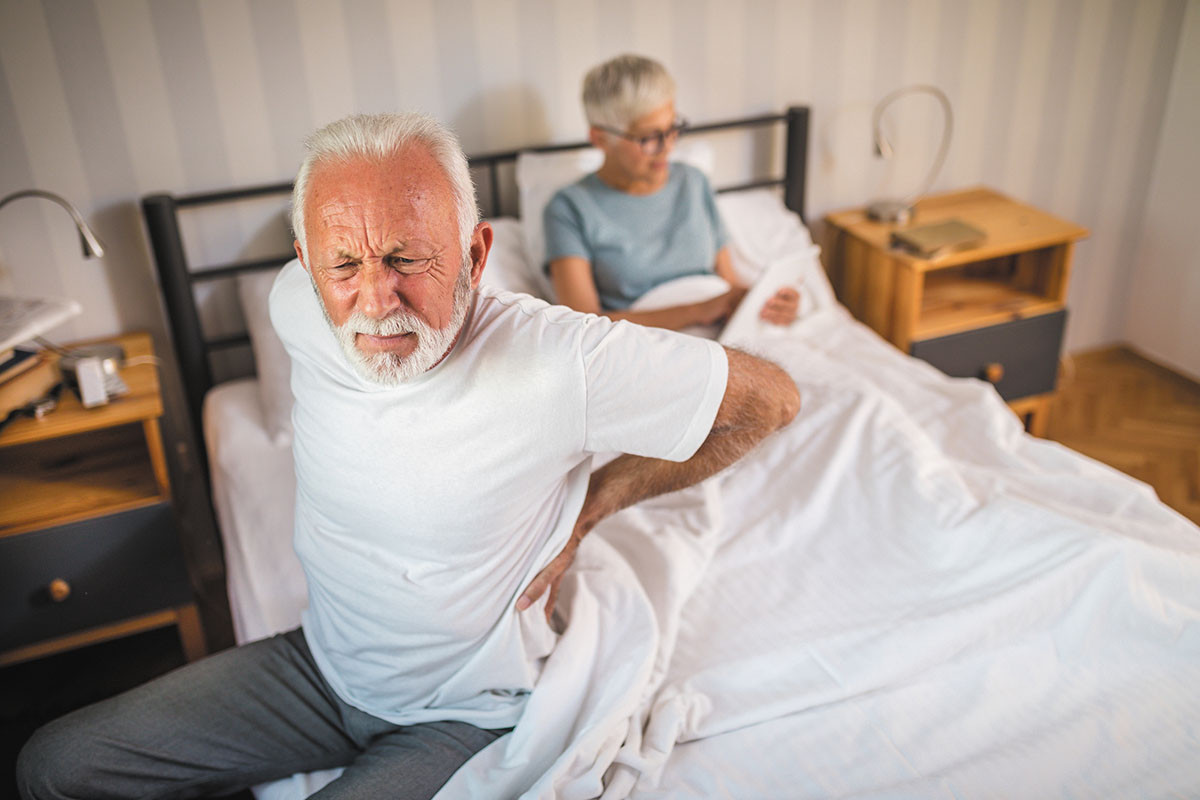
Don’t be such a stiff
There are ways to keep morning stiffness from being a pain.
Image: © FluxFactory/Getty Images
Ever get that "old man" stiffness in the morning? You know the feeling: the dull, achy, and sometimes painful feeling in your joints — along with the customary grunts and groans — when you first stand and slowly move around.
"It's not known why this happens, especially as people age, but the only common thread is that it occurs after long bouts of inactivity," says Dr. William Docken, a rheumatologist with Harvard-affiliated Brigham and Women's Hospital. "That is why you often feel so stiff when you wake up, since sleeping is when you are inactive for the longest continuous time."

Give yourself a health self-assessment
Begin the new year by reviewing where you are now and where you want to go.
Image: © Christopher Robbins/Getty Images
This year, don't fall back on the standard resolutions as a way to set goals. Instead, do a health self-assessment. It's a way to measure where you are now, decide what you want to do, and determine how to get there.
"A health self-assessment gathers the vital information you need to begin thinking more about your life and how you want to live," says Susan Flashner-Fineman, Vitalize 360 Coach at Harvard-affiliated Hebrew SeniorLife, a comprehensive wellness program that promotes healthy aging. "It helps identify your life goals, which can vary from something as simple as ensuring you can continue your independent living to something more ambitious, like traveling more."
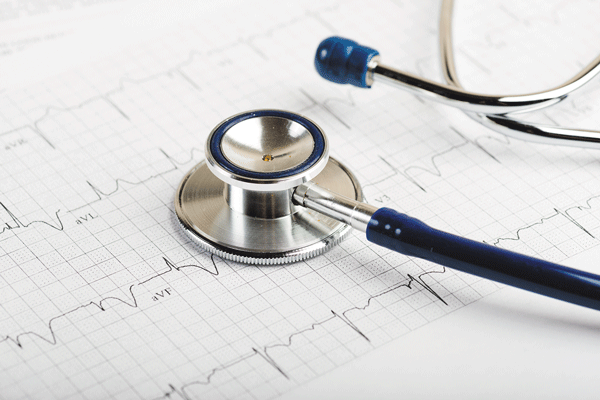
Atrial fibrillation may increase your risk of dementia
Image: Valeriya/Thinkstock
In the journals
People with atrial fibrillation, or afib, a type of irregular heartbeat that is linked with stroke, also may have a greater risk of dementia than those without the condition, according to a study published online Oct. 10, 2018, by Neurology.
Researchers recorded medical data from 2,685 people, average age 73. None of them had dementia and 243 had afib. After nine years, another 279 people developed afib. The researchers found that people with afib showed a faster rate of decline in thinking and memory skills than those without the condition, and were 40% more likely to develop dementia.
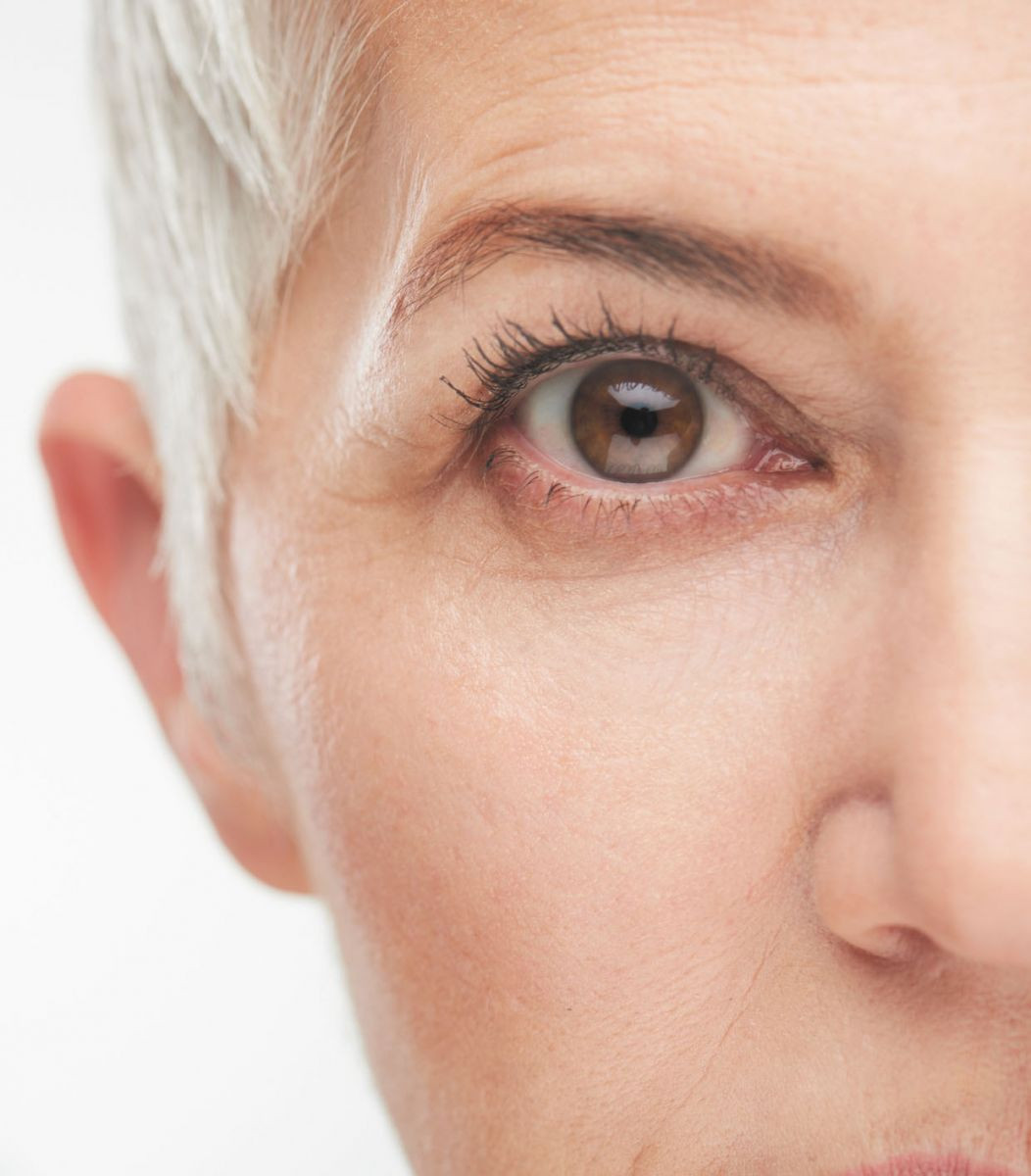
Can your eyes see Alzheimer’s disease in your future?
Certain eye conditions offer clues to your chances of developing dementia.
It's long been said that the eyes are the windows to the soul, but can they also provide a view of your brain's future? Researchers increasingly say yes. Studies have identified links between common eye conditions and Alzheimer's disease and other forms of dementia.
One study, published in the July 2018 issue of Alzheimer's & Dementia, appeared to validate past findings that linked three eye diseases — glaucoma, age-related macular degeneration, and diabetic retinopathy — to an increased risk of Alzheimer's disease.
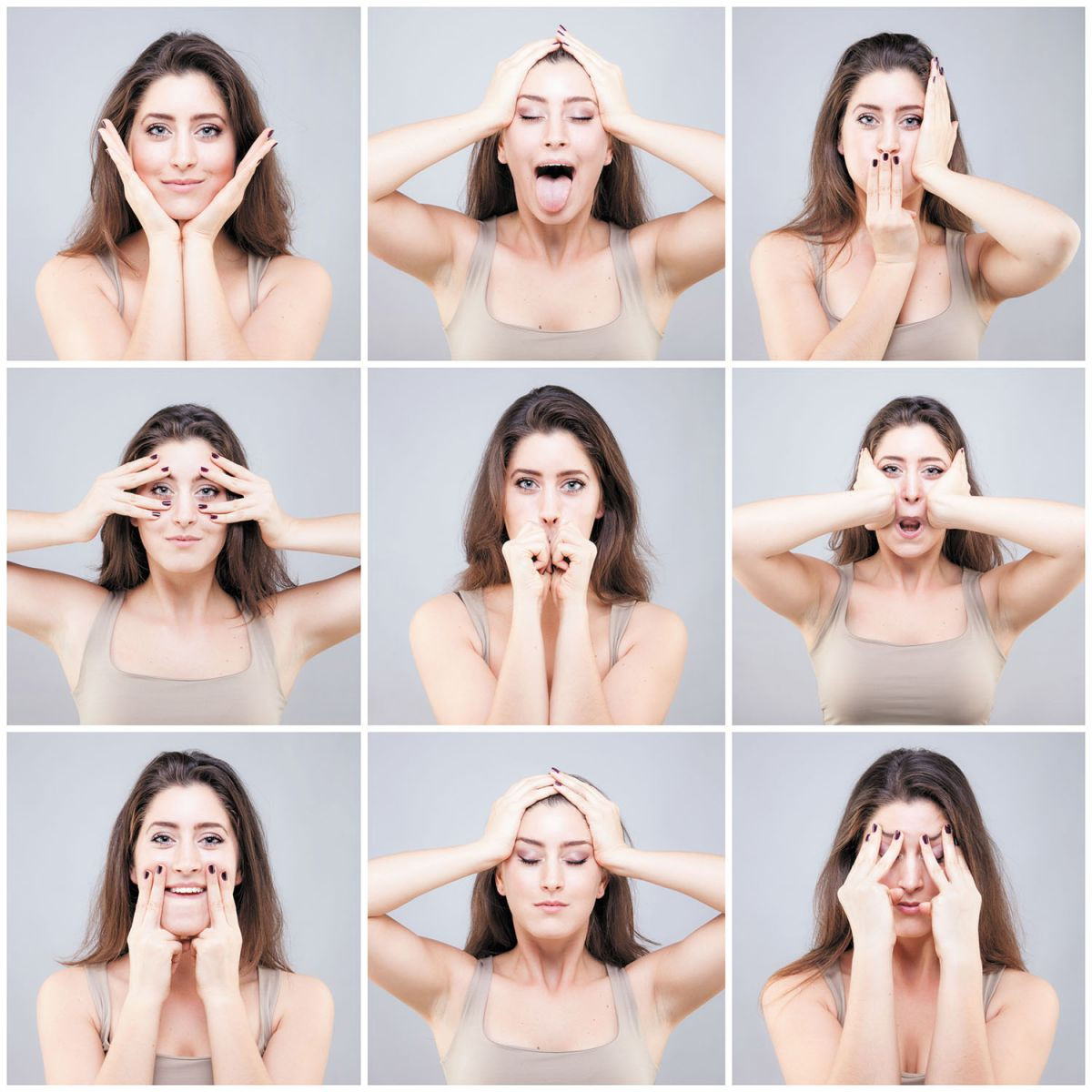
Does your face need a workout?
Facial exercises are being touted as a way to reverse signs of aging. A workout can't hurt and might even help. But there's little evidence of benefit.
Image: © Jasmina81/Getty Images
It used to be that women's magazines only gave fitness advice for your body. But today when you open the pages of many publications, you'll see advice on exercising not only your body, but your face, too. Articles tout strengthening exercises for the facial muscles — and even face yoga — as a way to slim and tone facial structures and help fight signs of aging.
Sounds great. But is it true? Should your workouts extend above the neck as well as below? And will those exercises really do anything for those wrinkles, sagging jowls, or double chin?
Hip bursitis vs. arthritis: How to tell the difference
Fitness for longevity: Which type matters most?
Ministrokes linked to elevated risk of dementia
Continuous glucose monitors benefit people who don't need insulin
CoQ10: Should you take this popular supplement if you're on a statin?
Microplastics: A hidden health threat?
Oat vs. dairy milk: Nutrition, benefits, and downsides
What is tempeh? Benefits, nutrition, and how to use it
Healing after food poisoning
Whole grains may improve several heart risk factors at once
Free Healthbeat Signup
Get the latest in health news delivered to your inbox!
Sign Up
