

Hip bursitis vs. arthritis: How to tell the difference

Fitness for longevity: Which type matters most?

Ministrokes linked to elevated risk of dementia

Continuous glucose monitors benefit people who don't need insulin

CoQ10: Should you take this popular supplement if you're on a statin?

Microplastics: A hidden health threat?

Oat vs. dairy milk: Nutrition, benefits, and downsides

What is tempeh? Benefits, nutrition, and how to use it

Healing after food poisoning

Whole grains may improve several heart risk factors at once
Caregiving Archive
Articles
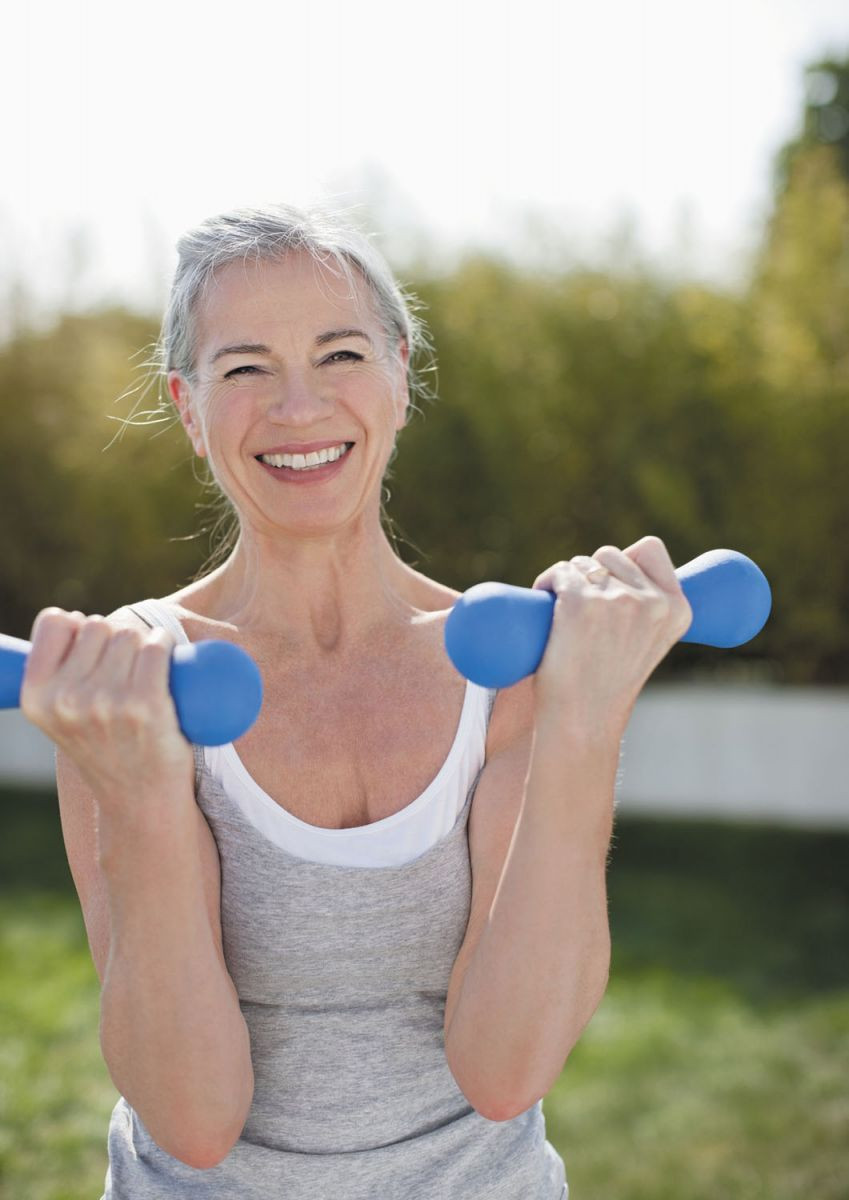
Strengthen your mood with weight training
Performing resistance exercises could help ease symptoms of depression.
Pumping iron might inflate not only your muscles, but also your mood, says a study in published in the June issue of JAMA Psychiatry.
The study's authors came to this conclusion after examining the results of 33 randomized clinical trials involving more than 1,800 people. They found that people with mild to moderate depression who performed resistance training two or more days a week saw "significant" reductions in their symptoms, compared with people who did not. The findings also suggested that resistance exercises may be even more beneficial for those with more severe depressive symptoms.

City air won’t dampen workout benefits
Research we're watching
Image: © RoBeDeRo/Getty Images
Good news for urban dwellers: the heart benefits of your workout aren't canceled out by health risks caused by car exhaust fumes in the city air you breathe. A study in the Journal of the American Heart Association found that regular workouts still reduce the risk of heart attack even when people are regularly exposed to moderate to high levels of air pollution caused by traffic. Air pollution is known to raise risk for heart attacks as well as respiratory problems, including asthma and chronic obstructive pulmonary disease. Researchers studied data on more than 51,000 people ages 50 to 65, looking at how often the people exercised and other lifestyle factors, as well as their exposure to the traffic pollutant nitrogen dioxide. Over a period of nearly 18 years, nearly 3,000 of these people had a first heart attack, and 324 had a recurrent heart attack.
People who lived in areas with higher nitrogen dioxide levels had a 17% higher risk of having a first heart attack and a 39% higher risk of a recurrent heart attack, compared with those who had low exposure to traffic pollution. But regular exercise appeared to reduce that risk. Active participants had a 15% lower rate of initial heart attacks, regardless of air quality. So, even if the air you are breathing is less than ideal, regular workouts help protect your heart.
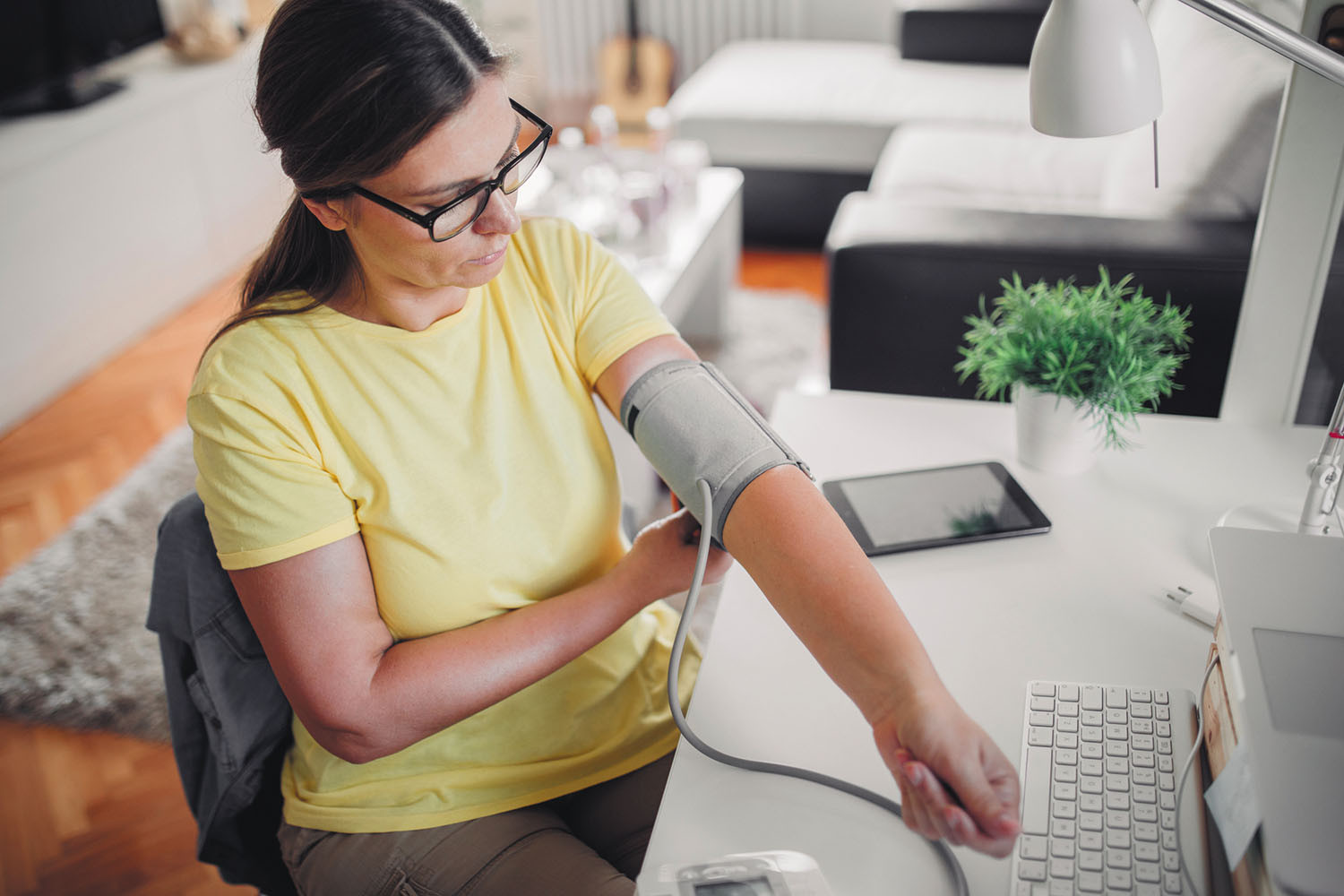
Blood pressure treatment might protect your brain
Research we're watching
Image: © mixetto/Getty Images
Aggressively treating high blood pressure might help ward off cognitive changes, according to findings presented at the Alzheimer's Association International Conference in July. Researchers from the Systolic Blood Pressure Intervention Trial compared two strategies to manage high blood pressure in more than 9,300 older adults (average age about 68). One strategy aims to achieve the standard treatment level for high systolic blood pressure (the first number in a blood pressure reading), keeping it under 140 mm Hg. The more aggressive strategy sets a goal of less than 120 mm Hg. The aggressive strategy reduced not only heart risks, but seemed to protect the brain.
People in the more aggressively controlled blood pressure group were 19% less likely than those in the standard treatment group to develop new cases of mild cognitive impairment (often a forerunner to dementia). They were also 15% less likely to develop any form of dementia or mild cognitive impairment. This study provides another reason to work with your doctor to reduce high blood pressure.

Refueling your energy levels
Lost your spark and gusto? These strategies can help you recharge.
Everyone has the occasional low-energy day when you are easily fatigued. Often the feeling passes, and you bounce back to your regular robust self. But if you struggle with a constant lack of energy, you may have a problem deep within your cells.
Mitochondria are the power source inside all your body's cells. These tiny structures fuel the body by producing molecules called adenosine triphosphate or ATP. However, as you grow older, your body has fewer mitochondria.

An introvert’s guide to healthy social engagement
Being more social is linked with greater health benefits, but what if you're not comfortable in the company of others?
Image: © Robert Kirk/Getty Images
Research continues to stress the relationship between social connection and long-term health. Interacting regularly with other people appears to lower your risk for heart disease, depression, and early death.
But what if being social is not who you are? People who are introverts — that is, they prefer time alone over group outings — are often at a disadvantage when it comes to social engagement.

Rating heart monitors
Here is why you should invest in this fitness technology.
Image: © Nastasic/Getty Images
There is a lot of technology that tracks your health, from counting steps to counting burned calories. One of the most valuable fitness tools though is a heart rate monitor, which tells you how many beats your heart takes per minute.
"Whether you're just getting started with an exercise routine or are a committed fitness enthusiast, tracking your heart rate can help you maintain the necessary moderate level of intensity for optimal benefits without worrying about doing too much or too little," says Dr. Aaron L. Baggish, associate director of the Cardiovascular Performance Program at Harvard-affiliated Massachusetts General Hospital.

Poor vision affects driving skills and brain function
In the journals
Image: © Martin Barraud/Getty Images
More reasons to take good care of your eyes: it may protect against cognitive decline and keep you safe behind the wheel, according to two studies published online June 28, 2018, by JAMA Ophthalmology.
In the first study, researchers looked at almost 560,000 adults ages 65 and older and found they had 9% fewer serious car crashes in the year following cataract surgery. Besides causing blurry vision, cataracts can intensify the glare from headlights and sunlight, which can make driving dangerous, according to the researchers.

Feeling young could signal a younger brain
In the journals
People who feel younger than their actual age also may have brains that age more slowly, suggests a small study published online June 7, 2018, by Frontiers in Aging Neuroscience.
Scientists took brain scans of 68 healthy older adults, ages 59 to 84, to measure the volume of gray matter in various regions. The participants then answered surveys to determine if they felt older or younger than their age and to measure their cognitive abilities and perceptions of overall health.

Depression and illness: Chicken or egg?
| Image: iStock |
When depression strikes, doctors usually probe what's going on in the mind and brain first. But it's also important to check what's going on in the body, since certain medical problems are linked to mood disturbances. In fact, medical illnesses — and medication side effects — may be behind nearly 10% to 15% of all cases of depression.
It's not uncommon for a physical illness to trigger depression. Up to half of heart attack survivors and those with cancer report feeling blue, and many are diagnosed with depression. Many people who have diabetes, Parkinson's, or other chronic conditions become depressed.
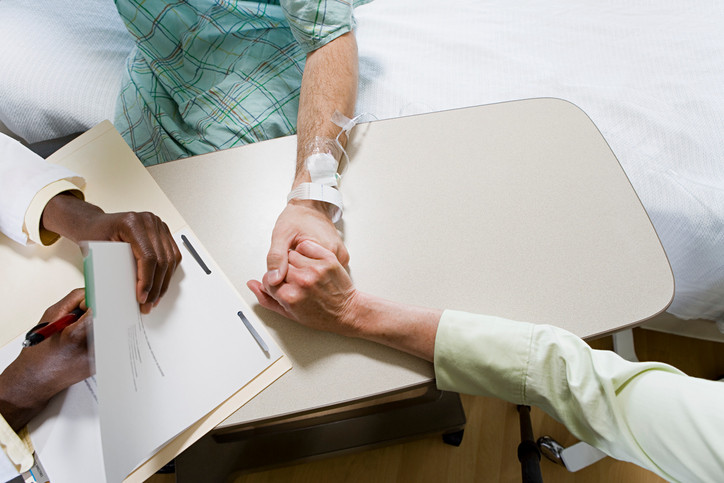
Leaving time for last words
When a person needs to be intubated to help them breathe, they are unable to speak, and if something happens it’s possible for someone to die without a chance to have a final conversation with their loved ones. But it’s possible for doctors to adjust intubation protocol to allow for such a conversation.
Hip bursitis vs. arthritis: How to tell the difference
Fitness for longevity: Which type matters most?
Ministrokes linked to elevated risk of dementia
Continuous glucose monitors benefit people who don't need insulin
CoQ10: Should you take this popular supplement if you're on a statin?
Microplastics: A hidden health threat?
Oat vs. dairy milk: Nutrition, benefits, and downsides
What is tempeh? Benefits, nutrition, and how to use it
Healing after food poisoning
Whole grains may improve several heart risk factors at once
Free Healthbeat Signup
Get the latest in health news delivered to your inbox!
Sign Up
