

Hip bursitis vs. arthritis: How to tell the difference

Fitness for longevity: Which type matters most?

Ministrokes linked to elevated risk of dementia

Continuous glucose monitors benefit people who don't need insulin

CoQ10: Should you take this popular supplement if you're on a statin?

Microplastics: A hidden health threat?

Oat vs. dairy milk: Nutrition, benefits, and downsides

What is tempeh? Benefits, nutrition, and how to use it

Healing after food poisoning

Whole grains may improve several heart risk factors at once
Caregiving Archive
Articles

Skipping breakfast linked with higher levels of arterial plaque
Research we're watching
A study published October 2017 in the Journal of the American College of Cardiology found that people who regularly skip breakfast may have more arterial plaque than those who don't. Researchers used ultrasound to scan the arteries of more than 4,000 adults in Spain who were categorized into three groups: those who ate a heavy breakfast, those who ate a light breakfast, and those who ate no breakfast at all. They found that nearly 75% of those who regularly skipped breakfast had signs of plaque buildup in their arteries, compared with only 57% of people who reported eating a big breakfast every day and 64% who ate a small meal in the morning.
It's not clear why this was the case, although the authors noted that the people in the study who skipped breakfast were more likely to be obese and to have high cholesterol, high blood pressure, or diabetes. However, even when the researchers adjusted for those factors, the differences in arterial plaque levels between the groups persist.
Cardio step workout
Harvard fitness expert Michele Stanten takes you through a simple routine that will safely elevate your heart rate to keep your fitness goals on track.
Cardio dance routine
All you need are light clothing, a good pair of shoes and a few minutes of your day and Harvard exercise expert Michele Stanten will have you on your way to meeting your fitness goals.

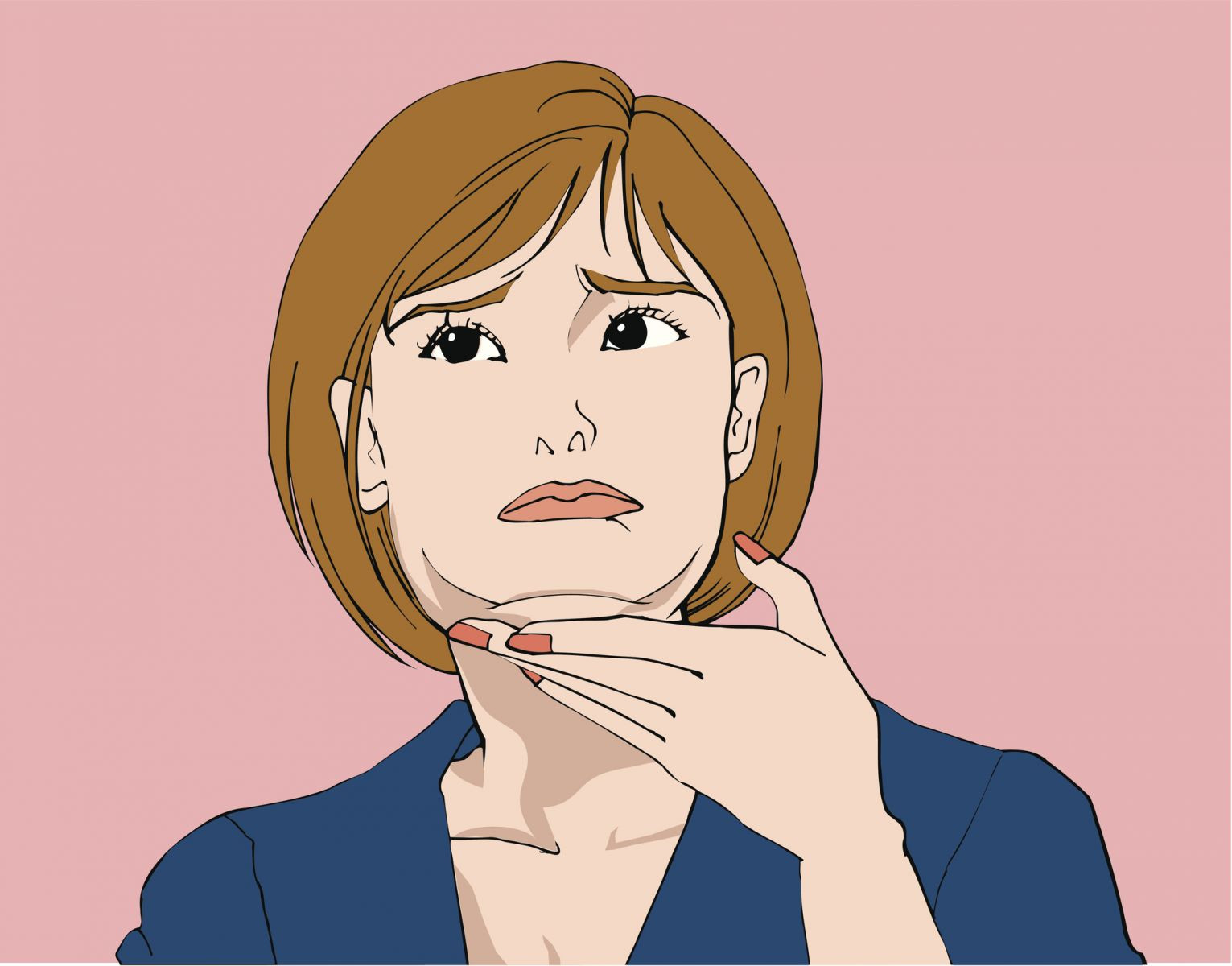
Fat-dissolving treatments for a double chin
Many people are bothered by double chins and try to conceal them behind turtleneck shirts and scarves. However, recent advancements have expanded the options for jowl removal beyond surgery to in-office treatments.
Cryolipolysis (Cool Mini)
This procedure, also known as "cool sculpting," treats a double chin. The clinician places a handpiece under the chin and chills fat cells there almost to the point of freezing, damaging their membranes so they are absorbed and metabolized by the body. The treatment itself takes about an hour, and results are seen over the subsequent two months. The procedure is usually effective and can be performed more than once. It can also be used to reduce love handles on the waist. The cost is approximately $1,000 per treatment.


I'm so lonesome I could cry
The health risks of loneliness and isolation have been known for some time, but more recently research has shown the specific effects in the brain. Finding ways to make connections with other people is the best "medicine" to alleviate the mental and physical effects of loneliness.


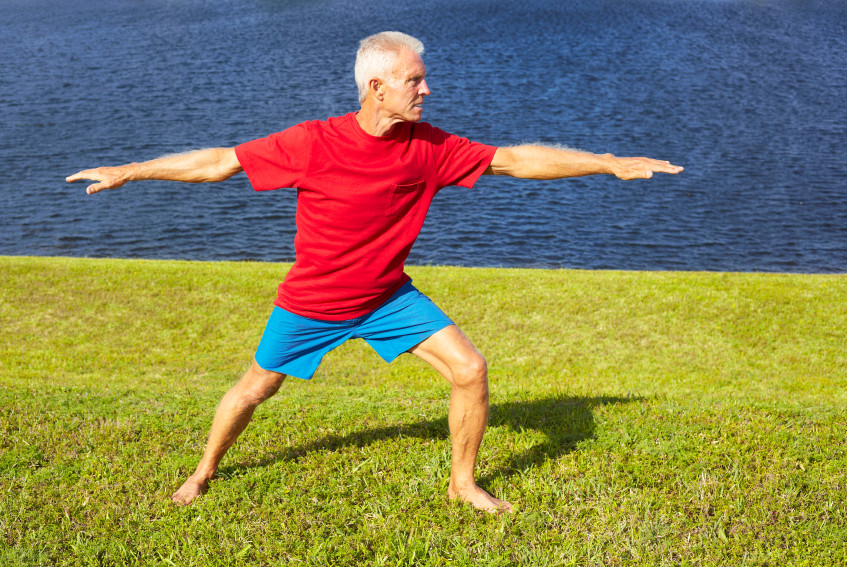
Yoga lessens treatment-related symptoms in men with prostate cancer
Decades of research show that yoga can reduce the emotional and physical fatigue brought on by cancer treatment. In 2017, scientists reported for the first time that this is also true specifically for men undergoing treatment for prostate cancer. Men who took a yoga class twice a week during prostate cancer radiation treatment reported less fatigue, fewer sexual side effects, and better urinary functioning than men who did not.
The research team enrolled 50 men ages 53 to 85 who were diagnosed with early or advanced nonmetastatic prostate cancer. Of them, 22 were assigned to yoga classes and the rest did not participate in yoga. All the men received scheduled radiation treatments; 29 of them were also on hormonal therapy, and 19 had been treated previ-ously with surgery. The yoga and control groups were evenly balanced with respect to various cancer treatments as well as treatments for side effects.
Hip bursitis vs. arthritis: How to tell the difference
Fitness for longevity: Which type matters most?
Ministrokes linked to elevated risk of dementia
Continuous glucose monitors benefit people who don't need insulin
CoQ10: Should you take this popular supplement if you're on a statin?
Microplastics: A hidden health threat?
Oat vs. dairy milk: Nutrition, benefits, and downsides
What is tempeh? Benefits, nutrition, and how to use it
Healing after food poisoning
Whole grains may improve several heart risk factors at once
Free Healthbeat Signup
Get the latest in health news delivered to your inbox!
Sign Up
