

Hip bursitis vs. arthritis: How to tell the difference

Fitness for longevity: Which type matters most?

Ministrokes linked to elevated risk of dementia

Continuous glucose monitors benefit people who don't need insulin

CoQ10: Should you take this popular supplement if you're on a statin?

Microplastics: A hidden health threat?

Oat vs. dairy milk: Nutrition, benefits, and downsides

What is tempeh? Benefits, nutrition, and how to use it

Healing after food poisoning

Whole grains may improve several heart risk factors at once
Caregiving Archive
Articles





For men over 50: You can lower your health risks
What if men approached their health at midlife the same way that financial experts advise them to plan for retirement? Some of the same rules apply: take a close look at where things stand now, and then take steps to protect your future. Midlife is a good time to lower health risks and invest for long-term health benefits.
How? First, acknowledge what you can't control. Then put your energies into changing what you can — for the better.

What does it take to be a super-ager?
Research suggests that moving out of your comfort zone is the key to staying mentally and physically young.
Finding role models who are older than we are gets more difficult as we age. But in the last few years, medical science has identified a new group we can aspire to join — the super-agers. The term refers to people in their 70s and 80s who have the mental or physical capability of their decades-younger counterparts.
What makes a cognitive super-ager?
Dr. Bradford Dickerson, a neurologist at Harvard-affiliated Massachusetts General Hospital and his colleagues have been studying super-agers for several years. Their results suggest that embracing new mental challenges may be the key to preserving both brain tissue and brain function.

Should I drop calories or boost exercise?
Ask the doctor
Image: © udra/Thinkstock
Q. To lose weight, should I focus more on my calorie count or the amount of time I spend exercising?
A. It is very, very hard to lose weight without both watching your calories and regularly exercising. But it's not that simple. For years, doctors (including me) told patients: "You've got to burn off more calories through exercise than the calories that you eat. If you do that, you'll maintain a healthy weight." We even implied that not being able to maintain a healthy weight, since it was so simple, reflected a weakness of character.
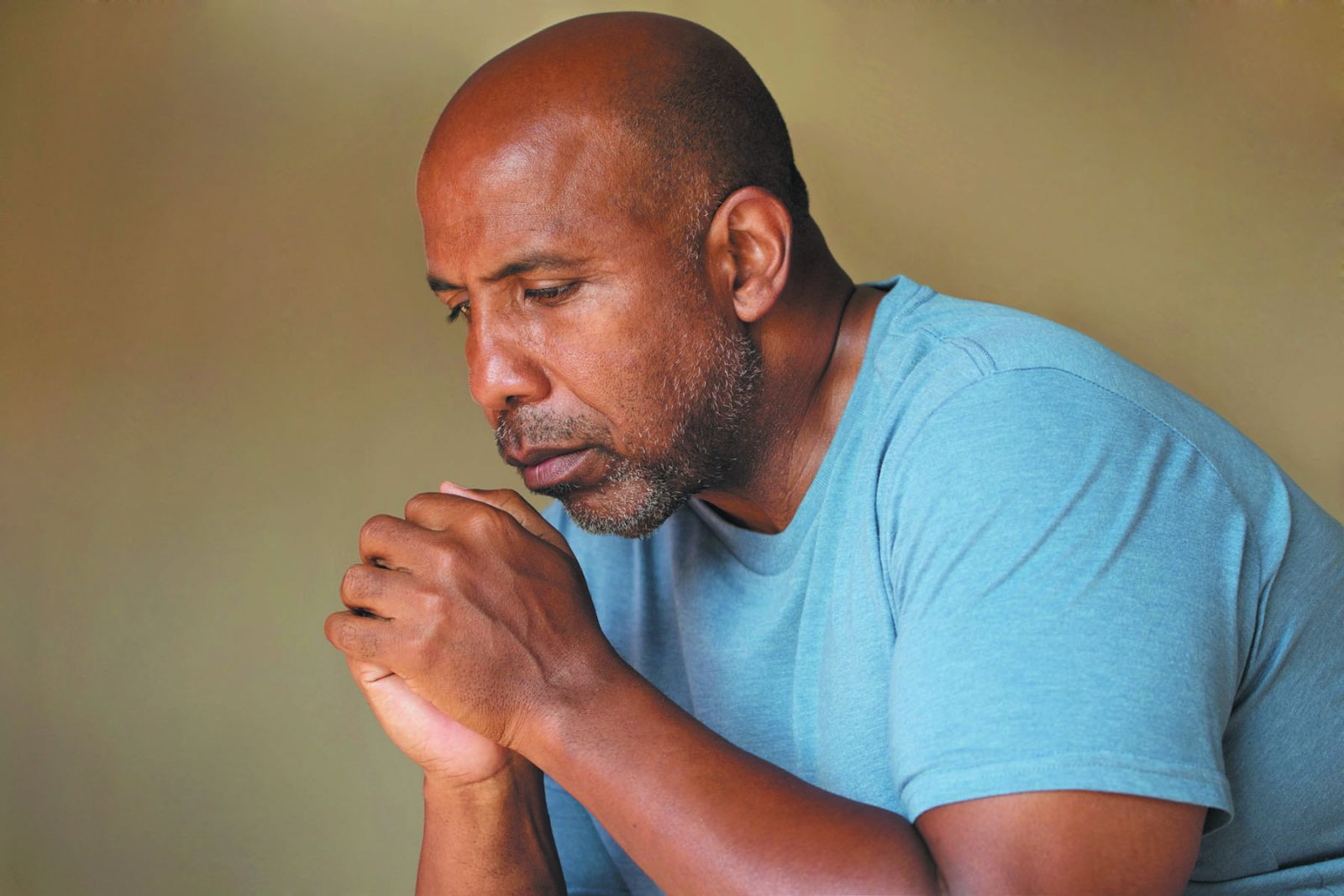
How depression affects your thinking skills
Don't assume age is to blame for changes in memory, attention, and decision making.
Image: © pixelheadphoto/Thinkstock
Depression has a way of sucking the joy and meaning from life. Chronic feelings of hopelessness, apathy, or despair are part of the condition. It may also bring physical symptoms, such as weight loss, sleep disturbance, fatigue, and aches and pains. But depression can be sneaky, causing subtle changes in thinking skills that you may not attribute to the condition. "Very often, one of the first signs of depression in people ages 70 or older is a change in thinking," says Dr. Helen Farrell, a psychiatrist with Harvard-affiliated Beth Israel Deaconess Medical Center.
What's the connection?
Depression may involve the interruption or reduction of chemical messengers in the brain called neurotransmitters, such as serotonin, dopamine, and norepinephrine. These chemical changes may be the cause of your depression (if the brain systems that regulate them go awry), or they may result from other depression triggers, such as the following:
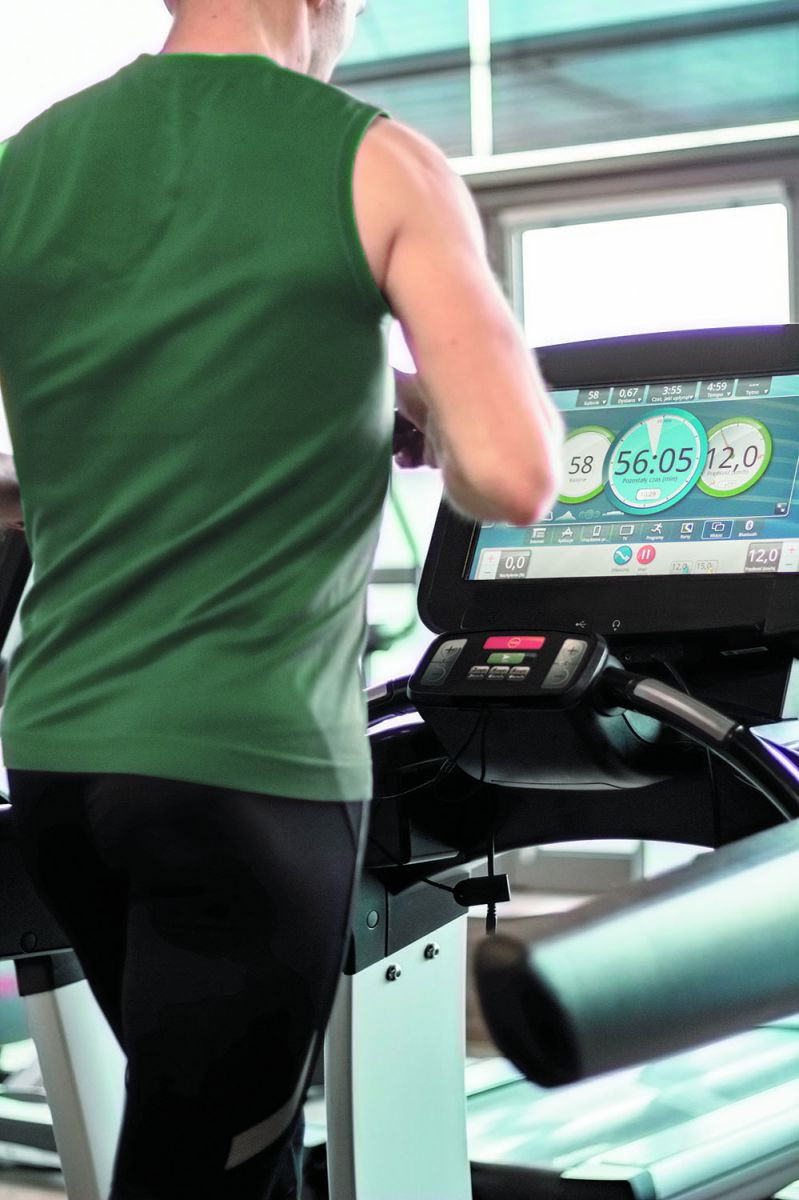
Get smart about treadmills
Treadmills are among the most effective types of exercise equipment — if you know how to use them.
Cardio exercise is essential for all-around health, but many older men have trouble hitting the recommended 150 minutes of moderate-intensity exercise per week. And some people may have limitations that prevent them from doing traditional cardio workouts like walking, running, or swimming.
But there may be another option: the standard gym treadmill.

Hip bursitis vs. arthritis: How to tell the difference
Fitness for longevity: Which type matters most?
Ministrokes linked to elevated risk of dementia
Continuous glucose monitors benefit people who don't need insulin
CoQ10: Should you take this popular supplement if you're on a statin?
Microplastics: A hidden health threat?
Oat vs. dairy milk: Nutrition, benefits, and downsides
What is tempeh? Benefits, nutrition, and how to use it
Healing after food poisoning
Whole grains may improve several heart risk factors at once
Free Healthbeat Signup
Get the latest in health news delivered to your inbox!
Sign Up
