

Hip bursitis vs. arthritis: How to tell the difference

Fitness for longevity: Which type matters most?

Ministrokes linked to elevated risk of dementia

Continuous glucose monitors benefit people who don't need insulin

CoQ10: Should you take this popular supplement if you're on a statin?

Microplastics: A hidden health threat?

Oat vs. dairy milk: Nutrition, benefits, and downsides

What is tempeh? Benefits, nutrition, and how to use it

Healing after food poisoning

Whole grains may improve several heart risk factors at once
CBT-i Archive
Articles

Can blue light-blocking glasses improve your sleep?
Exposure to blue light during the daytime is desirable: it helps synchronize the body's circadian clock and helps people stay alert. But stimulation from certain wavelengths of blue light in the hours leading up to bedtime can interfere with sleep. Glasses that block stimulating blue light, whether prescription or not, are being touted as helping with sleep, but the evidence is questionable.

Cancer survivors' sleep is affected long after treatment
According to a new study, many people who have survived cancer treatment experience poor sleep long after treatment has ended. These people also reported emotional distress, financial hardship, and concern that their cancer might return. Many sleep disorders can be treated successfully, but an accurate diagnosis is essential to choosing the correct treatment.

What are the best ways to trim my waist?
Attacking visceral fat found deep inside the abdomen, around the organs, is the best way to reduce waist size. Doing more aerobic and resistance exercise, limiting sugary foods and beverages, getting enough sleep, and managing stress can help.

Embrace healthy habits for a robust memory

Waking up one hour earlier than usual may reduce depression risk
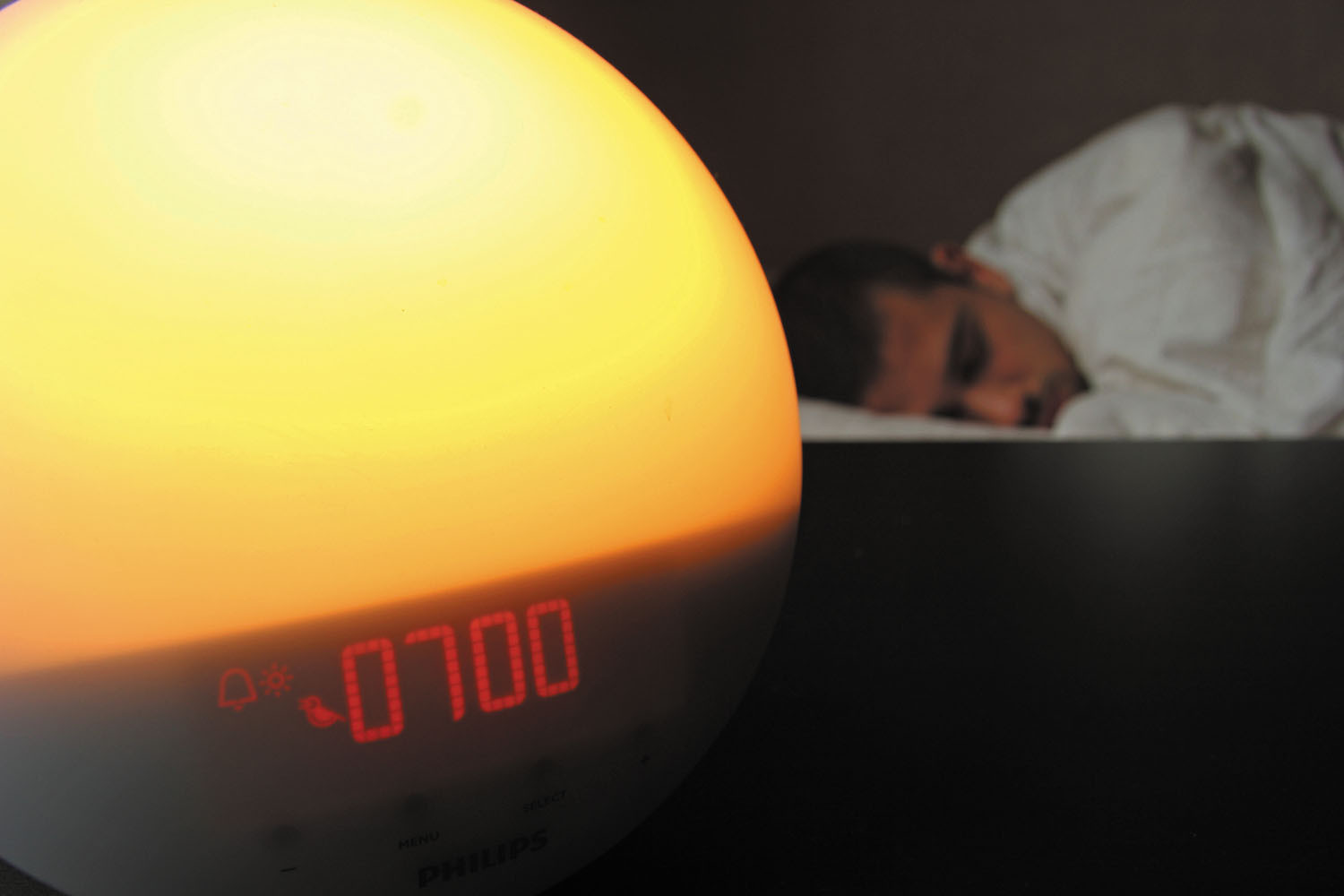
Gadgets to help you sleep better: Do they work?
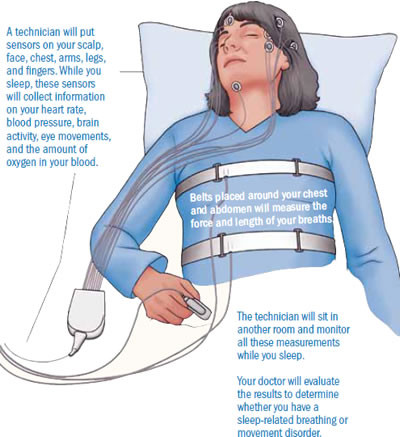
8 reasons why you're not sleeping
Many conditions, including sleep apnea, restless legs syndrome, pain, and stress, can disrupt your rest. Managing these factors and practicing good sleep habits can help you get a better night's rest.

Will getting more sleep help protect me from dementia?
A study published online April 20, 2021, by the journal Nature Communications suggests thatgetting too little sleep in midlife increases the risk for dementia later in life. Researchers analyzed the sleep data of 8,000 middle-aged adults who were followed for 25 years. People who slept six hours per night at age 50 were 22% more likely to develop dementia, compared with people who slept seven hours. People who slept six hours per night at age 60 were 37% more likely to develop dementia, compared with people who slept seven hours. The study was observational and can't prove causation.

7 strategies to prevent cancer

Hip bursitis vs. arthritis: How to tell the difference
Fitness for longevity: Which type matters most?
Ministrokes linked to elevated risk of dementia
Continuous glucose monitors benefit people who don't need insulin
CoQ10: Should you take this popular supplement if you're on a statin?
Microplastics: A hidden health threat?
Oat vs. dairy milk: Nutrition, benefits, and downsides
What is tempeh? Benefits, nutrition, and how to use it
Healing after food poisoning
Whole grains may improve several heart risk factors at once
Free Healthbeat Signup
Get the latest in health news delivered to your inbox!
Sign Up
