

Hip bursitis vs. arthritis: How to tell the difference

Fitness for longevity: Which type matters most?

Ministrokes linked to elevated risk of dementia

Continuous glucose monitors benefit people who don't need insulin

CoQ10: Should you take this popular supplement if you're on a statin?

Microplastics: A hidden health threat?

Oat vs. dairy milk: Nutrition, benefits, and downsides

What is tempeh? Benefits, nutrition, and how to use it

Healing after food poisoning

Whole grains may improve several heart risk factors at once
Cholesterol and lipids Archive
Articles
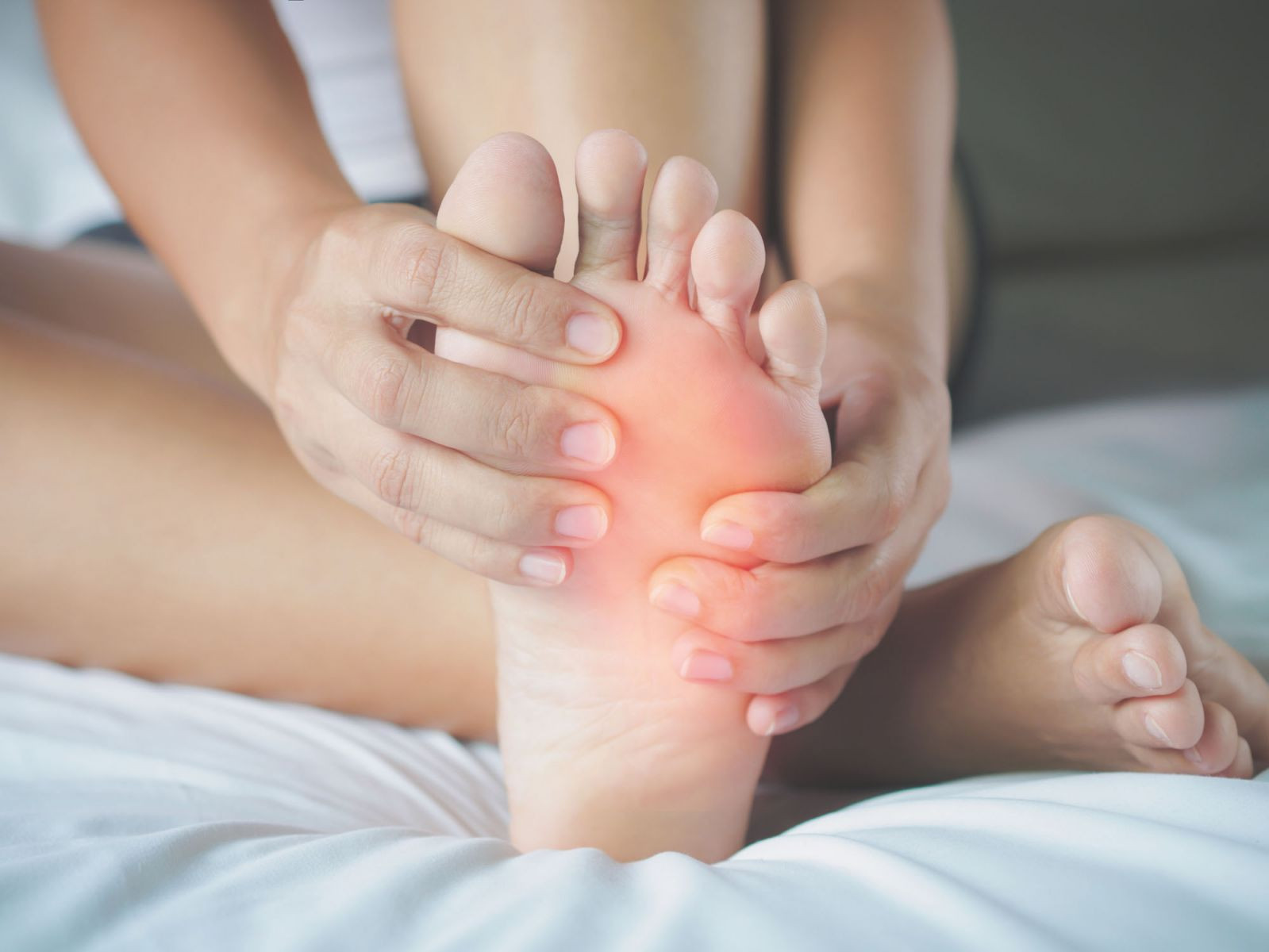
What's causing swollen feet and ankles?
Sometimes swollen feet are a red flag for an underlying vascular, bone-related, or skin-related health condition.

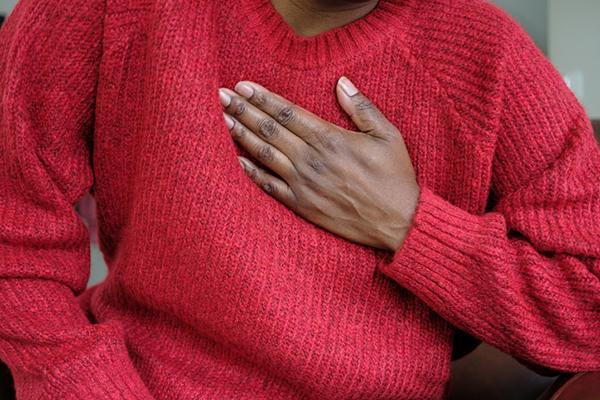
5 overlooked symptoms that may signal heart trouble
Pain in the chest sometimes is a symptom of heart disease. But heart problems aren't always obvious. Fatigue, unexplained aches and pains, shortness of breath, swollen feet or ankles, and heart palpitations may also indicate heart trouble.
What does it mean to have an enlarged heart?
An “enlarged” heart on an X‑ray doesn’t always mean trouble. Further heart imaging can help reveal what’s really going on.

Night owls' habits linked to worse heart health
Compared to people who have moderate sleep-and-wake patterns, night owls may be more likely to have unhealthy habits that put their heart health at risk, according to a 2026 study.
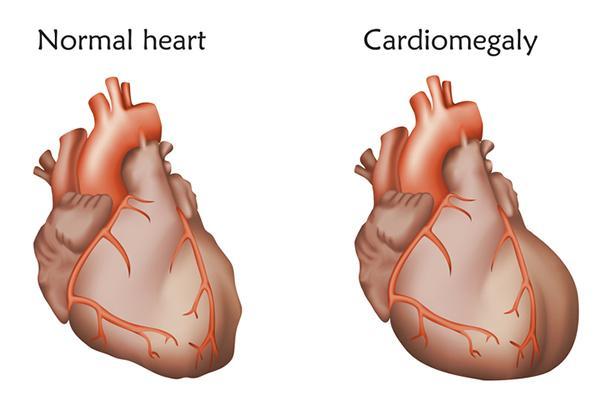
What can cause an enlarged heart?
An enlarged heart has many possible causes, including conditions that force the heart to work harder than usual (such as chronic high blood pressure or heart valve problems) and different types of cardiomyopathy (heart muscle disease).

Can you further lower heart disease risk if your numbers already look good?
Extra steps that might further protect heart health when blood pressure, cholesterol, diet, and exercise are already well managed.

After ablation, exercise may lower atrial fibrillation recurrence
After an ablation procedure for atrial fibrillation, getting at least 90 minutes of moderate exercise per week may reduce a person’s risk of an afib recurrence, according to a 2026 study.

Women's unique risks for heart disease
Women have unique risk factors for heart disease, including pregnancy-related complications and a higher rate of autoimmune diseases. Anatomical and other differences also influence how heart disease manifests in women.
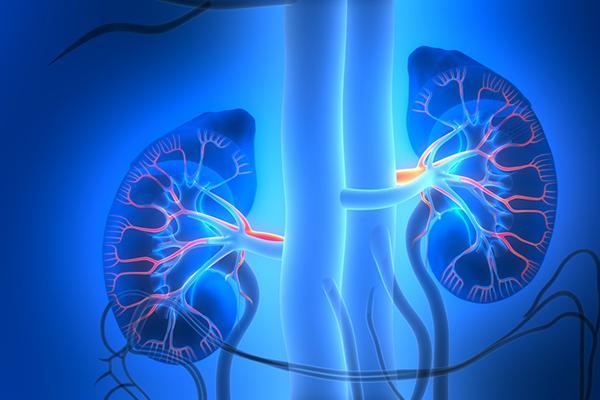
Chronic kidney disease: A hidden threat to your heart
About one in seven adults in the United States has chronic kidney disease. Simple screening tests can detect the problem, which can increase the risk of heart attack, stroke, and heart failure.

Addressing poor sleep may help heart health
Growing evidence suggests that poor sleep is linked to a host of health problems, including a higher risk of high blood pressure, diabetes, obesity, and heart disease. Now, a recent study on people in midlife finds that having a combination of sleep problems may nearly triple a person's risk of heart disease.
Hip bursitis vs. arthritis: How to tell the difference
Fitness for longevity: Which type matters most?
Ministrokes linked to elevated risk of dementia
Continuous glucose monitors benefit people who don't need insulin
CoQ10: Should you take this popular supplement if you're on a statin?
Microplastics: A hidden health threat?
Oat vs. dairy milk: Nutrition, benefits, and downsides
What is tempeh? Benefits, nutrition, and how to use it
Healing after food poisoning
Whole grains may improve several heart risk factors at once
Free Healthbeat Signup
Get the latest in health news delivered to your inbox!
Sign Up
