

Hip bursitis vs. arthritis: How to tell the difference

Fitness for longevity: Which type matters most?

Ministrokes linked to elevated risk of dementia

Continuous glucose monitors benefit people who don't need insulin

CoQ10: Should you take this popular supplement if you're on a statin?

Microplastics: A hidden health threat?

Oat vs. dairy milk: Nutrition, benefits, and downsides

What is tempeh? Benefits, nutrition, and how to use it

Healing after food poisoning

Whole grains may improve several heart risk factors at once
Cholesterol and lipids Archive
Articles
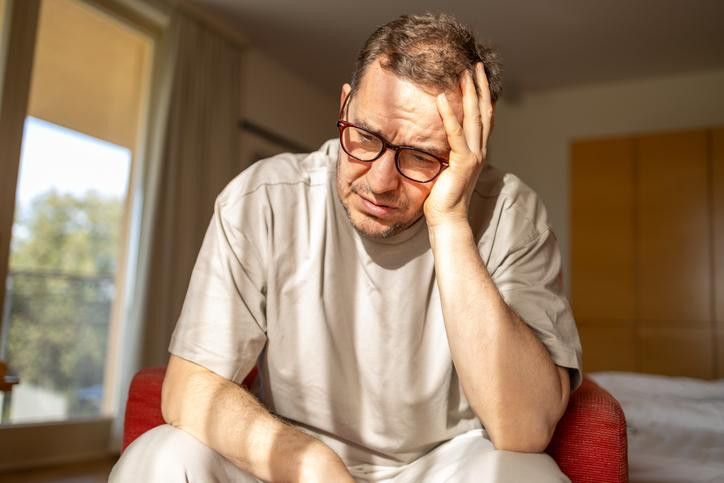
The emotional aftermath of a heart attack
Up to half of all heart attack survivors experience some type of psychological distress, including sadness, worry, or irritability. This problem is known as post-myocardial infarction psychological distress. Cardiac rehabilitation is the best way to get treatment.
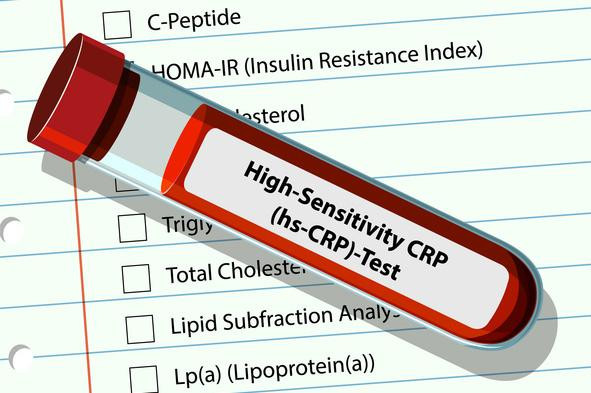
Inflammation and heart disease: A smoldering threat
Chronic, low-level inflammation is just as important as cholesterol in causing clogged heart arteries. Cardiologists are calling for more widespread testing for inflammation, which is easily measured with an inexpensive blood test.
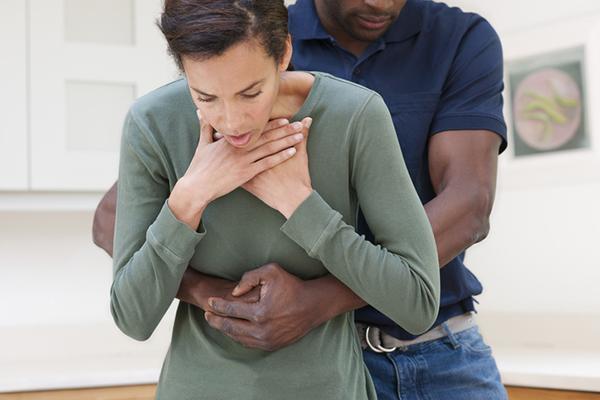
What's new in the latest CPR guidelines?
The 2025 cardiopulmonary resuscitation (CPR) guidelines from the American Heart Association provide recommendations for recognizing and responding to several different types of emergencies, including choking, a suspected opioid overdose, and cardiac arrest.

Safe and effective high-intensity interval training
High-intensity interval training alternates short bursts of hard effort with recovery, boosting aerobic fitness, heart health, and muscle in less time. For older adults, adjusting intensity to current fitness levels helps keep HIIT safe and effective.

New thinking on beta blocker use
Beta blockers have long been standard treatment for people after a heart attack. New evidence suggests they may not help those whose hearts still pump normally, though the drugs remain important for heart attack survivors with reduced ejection fraction.
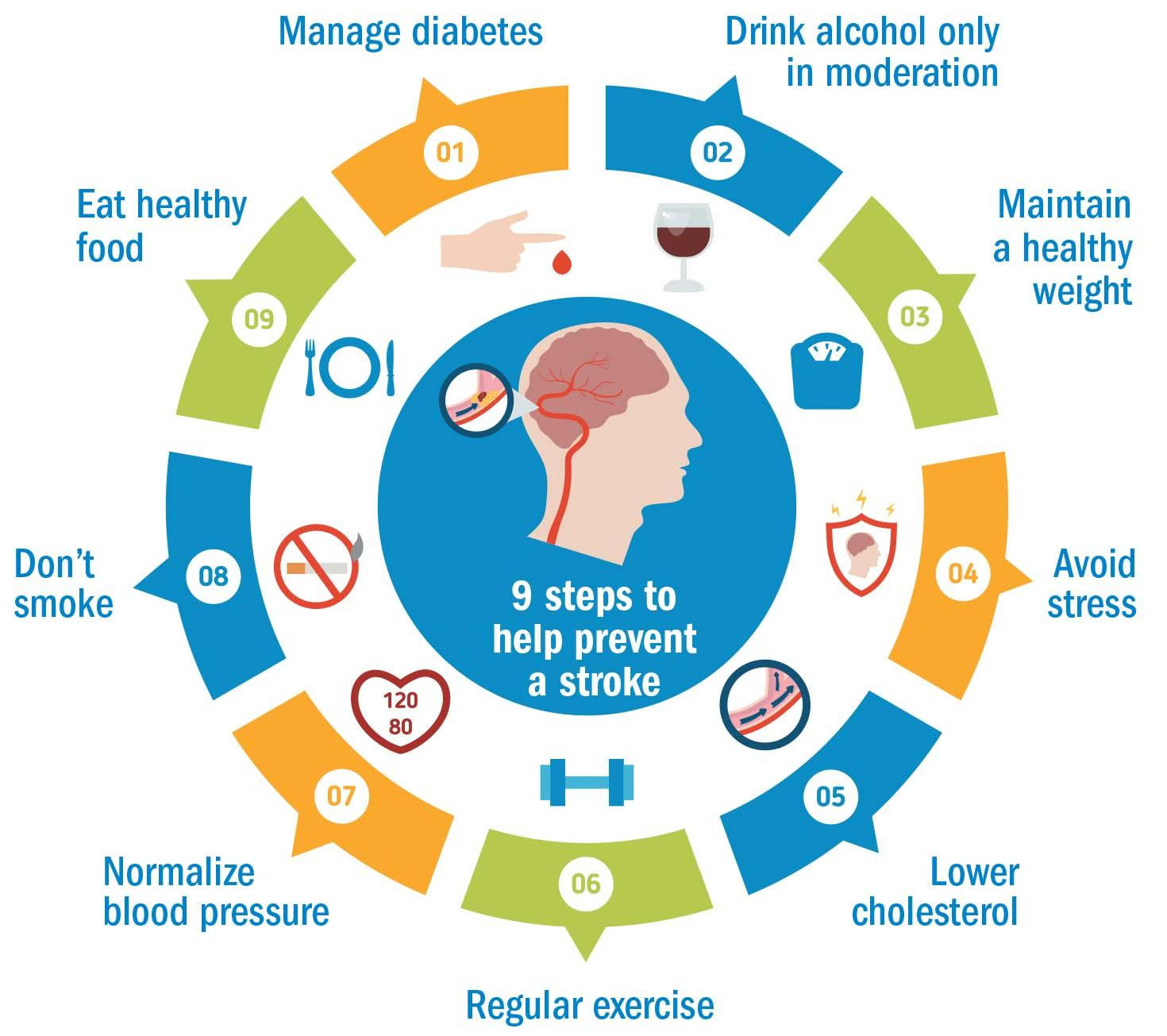
Reducing your stroke risk after a ministroke
A transient ischemic attack (TIA), or ministroke, is a serious warning sign for future stroke, especially in the first 48 hours. Medications plus lifestyle changes-healthy eating, regular exercise, and blood pressure control-can significantly lower that risk.
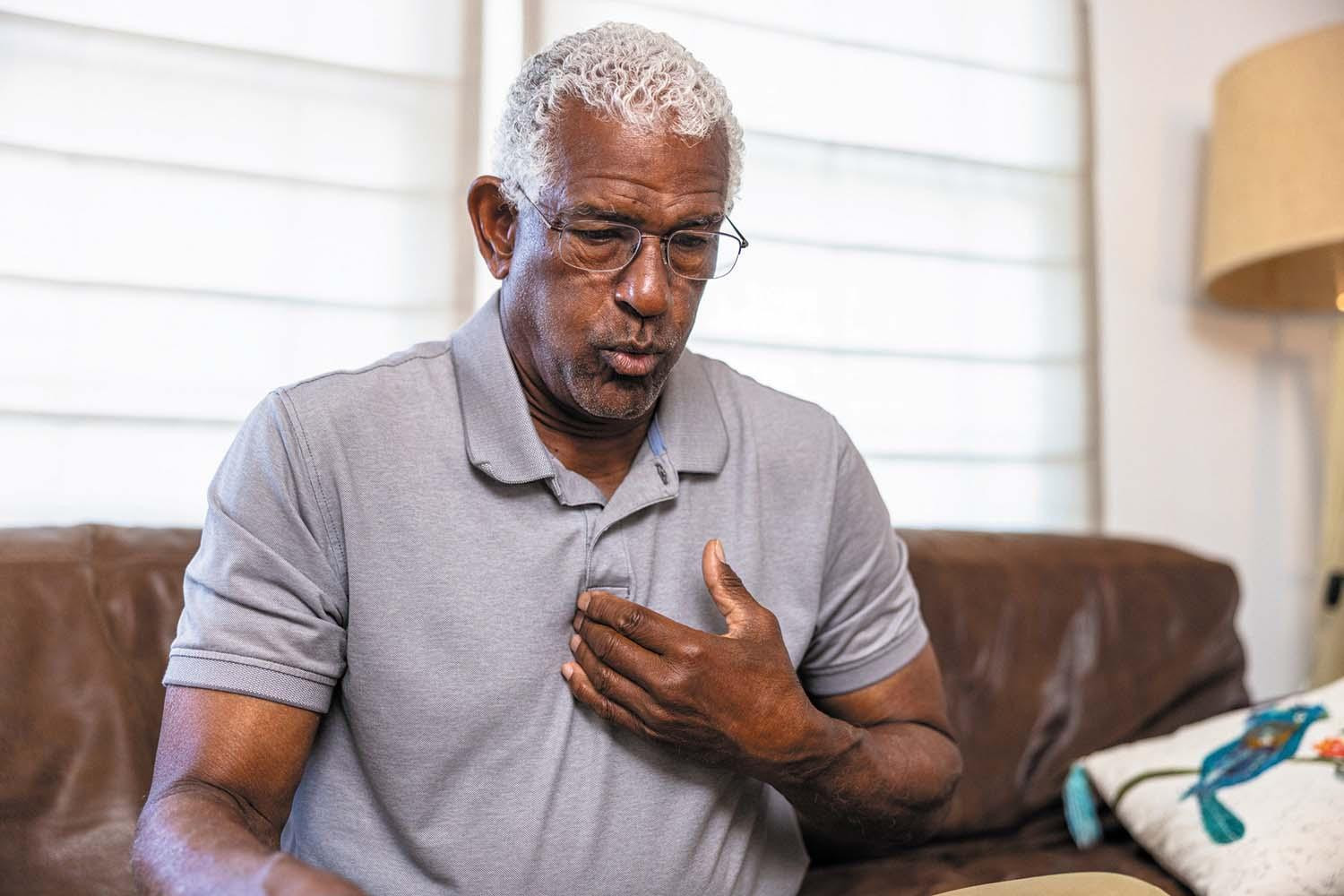
What to know about heart palpitations
Heart palpitations are sensations of a pounding or racing heartbeat, often triggered by stress, stimulants, or hormonal changes. They're usually harmless but should be checked by a doctor. Palpitations may improve with lifestyle changes or treatment for underlying conditions.
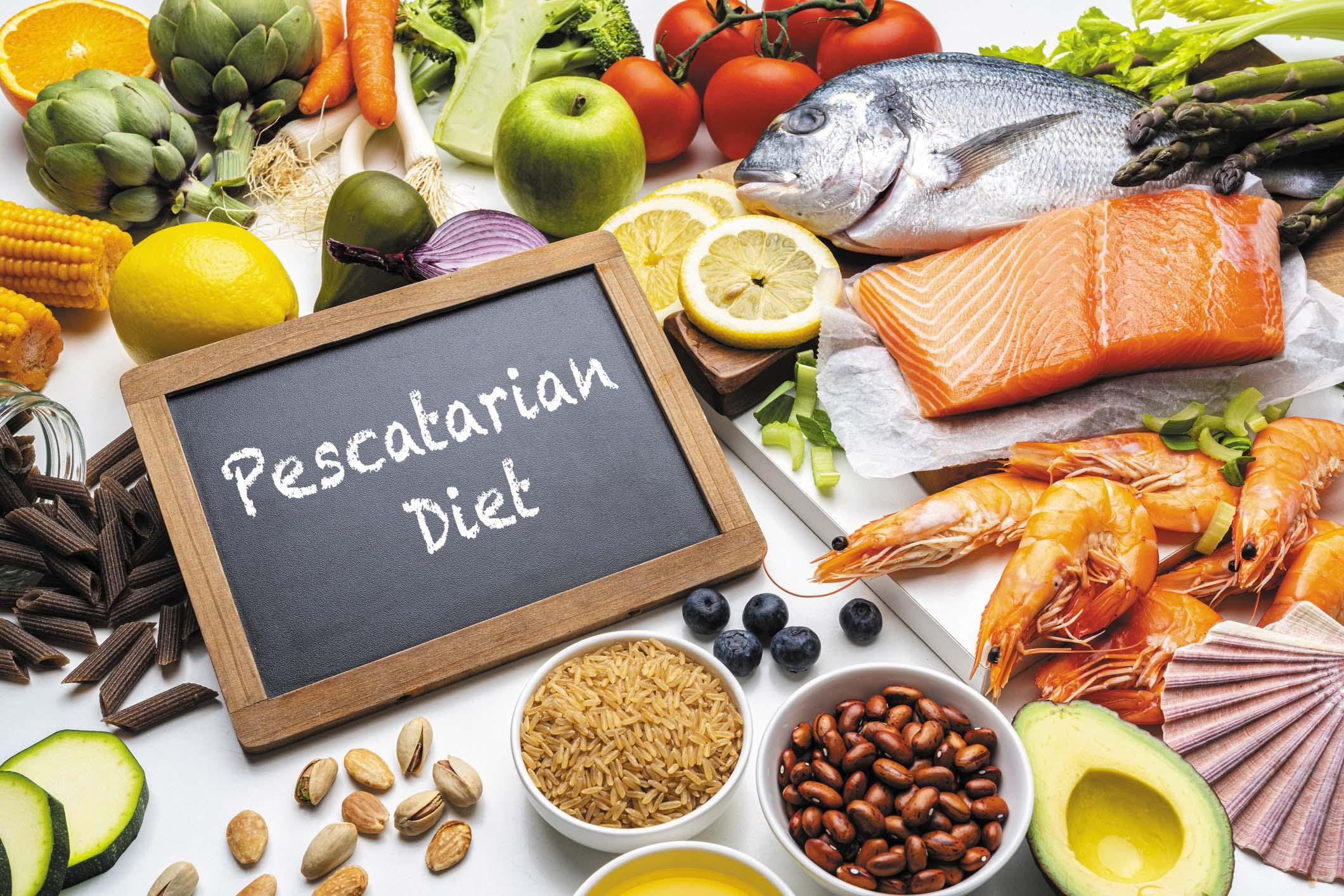
Go fish for a healthy heart
A pescatarian diet pairs plant-based eating with fish and shellfish, offering key nutrients and heart- and brain-protective omega-3s. Choosing smaller, sustainably caught seafood helps limit environmental impact and mercury exposure.

Nighttime light exposure linked to heart disease
Higher exposure to light at night between 12:30 a.m. and 6 a.m. is linked to an increased risk of cardiovascular problems including coronary artery disease, stroke, atrial fibrillation, heart attack, and heart failure.

Reclining and lying down: More risky than sitting for heart health?
Reclining and lying down may be linked to worse cardiovascular health while short bouts of sitting or standing may reduce cardiovascular risk, according to a 2025 study.
Hip bursitis vs. arthritis: How to tell the difference
Fitness for longevity: Which type matters most?
Ministrokes linked to elevated risk of dementia
Continuous glucose monitors benefit people who don't need insulin
CoQ10: Should you take this popular supplement if you're on a statin?
Microplastics: A hidden health threat?
Oat vs. dairy milk: Nutrition, benefits, and downsides
What is tempeh? Benefits, nutrition, and how to use it
Healing after food poisoning
Whole grains may improve several heart risk factors at once
Free Healthbeat Signup
Get the latest in health news delivered to your inbox!
Sign Up
