

Hip bursitis vs. arthritis: How to tell the difference

Fitness for longevity: Which type matters most?

Ministrokes linked to elevated risk of dementia

Continuous glucose monitors benefit people who don't need insulin

CoQ10: Should you take this popular supplement if you're on a statin?

Microplastics: A hidden health threat?

Oat vs. dairy milk: Nutrition, benefits, and downsides

What is tempeh? Benefits, nutrition, and how to use it

Healing after food poisoning

Whole grains may improve several heart risk factors at once
Colds and flu Archive
Articles
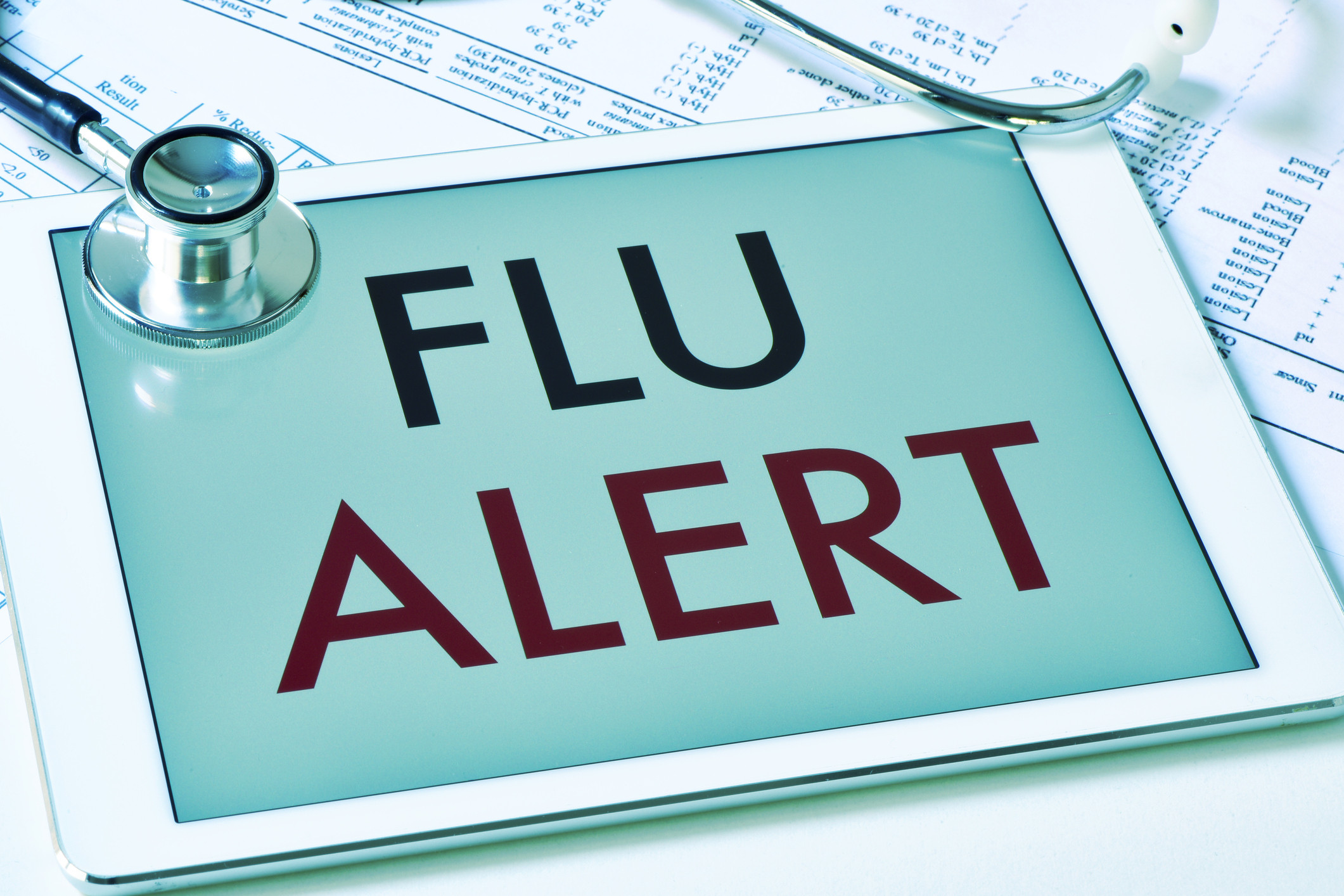
The flu is here — and so is a new advisory from the CDC
If you have not yet gotten a flu shot, the CDC has issued an advisory for this season that may make you reconsider. The severity of the virus is stronger this year, and while the vaccine may not be as effective as in years past, some protection is better than none.

What’s new with the flu shot?
If you are planning to get a flu shot but have not yet done so, it may be worth waiting a little longer, as data on patients from four recent flu seasons found that protection against the virus declined over the course of the winter.



Should you take an antiviral drug when you get the flu?
One antiviral medication has drawn criticism, but it's still a treatment option.
Image: © kowalska-art/Thinkstock
Bad case of the flu? Antiviral medications, such as oseltamivir (Tamiflu) or zanamivir (Relenza), may reduce symptoms and help you recover from the flu a day or two earlier. But oseltamivir came under fire a few months ago for a lack of effectiveness.
In June, the World Health Organization (WHO) removed oseltamivir from its list of essential medicines. "Their decision was based on the relatively low effectiveness of oseltamivir in clinical trials and clinical practice. I suspect this is due to a significant number of people who started therapy after their flu symptoms had been going on for more than two days," says Dr. Paul Sax, an infectious disease specialist and Harvard Medical School professor.



Is the “full course of antibiotics” full of baloney?
Conventional medical wisdom has held that taking antibiotics for longer periods of time produces better results and lowers the risk for antibiotic resistance. But the evidence for this is slim, and researchers are now questioning this approach.

Hip bursitis vs. arthritis: How to tell the difference
Fitness for longevity: Which type matters most?
Ministrokes linked to elevated risk of dementia
Continuous glucose monitors benefit people who don't need insulin
CoQ10: Should you take this popular supplement if you're on a statin?
Microplastics: A hidden health threat?
Oat vs. dairy milk: Nutrition, benefits, and downsides
What is tempeh? Benefits, nutrition, and how to use it
Healing after food poisoning
Whole grains may improve several heart risk factors at once
Free Healthbeat Signup
Get the latest in health news delivered to your inbox!
Sign Up
